 how-to
Get Your Free Roof Inspection: A Step-by-Step Guide
Table of Contents
- Why You Need a Professional Roof Inspection
- Signs of Roof Damage After a Storm
- What's Included in a Professional Roof Inspection
- Roof Inspection Checklist for Homeowners
- How to Schedule Your Free Roof Inspection
- Does a New Roof Increase Home Value
- Roof Inspections and Insurance Claims
- Conclusion
- Frequently Asked Questions
Last Updated: September 23, 2026
Why You Need a Professional Roof Inspection
A professional roof assessment is one of the smartest investments a homeowner can make. Your roof protects everything beneath it, your family, your belongings, your home's structural integrity. Yet most homeowners ignore their roofs until something goes catastrophically wrong.
That's backwards.
A professional roof inspection catches problems early, when they're cheap to fix. It documents the condition of your roof covering for insurance purposes. It reveals hidden damage that's invisible from the ground. And when you're buying or selling a home, a thorough roof assessment protects your interests and your wallet.
A professional roof inspection can help homeowners avoid costly issues. Storm damage, flashing failures, underlayment deterioration, these issues compound. The longer they sit, the more expensive they become. A professional inspection stops that spiral before it starts.
Signs of Roof Damage After a Storm
Severe weather is relentless. High winds rip shingles loose. Hail punctures the roof covering. Falling branches tear through underlayment and expose the structure beneath. After any significant storm, your roof needs evaluation.
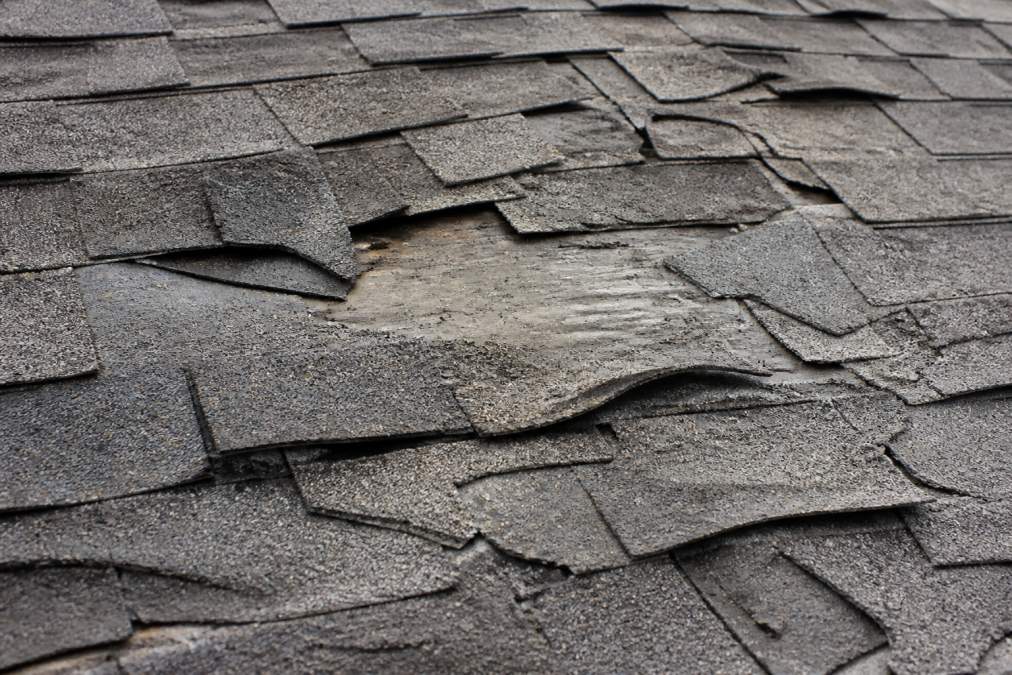
Immediate visible damage (inspect within 24 hours):
- Missing or torn shingles exposing the underlayment
- Lifted or displaced flashing around chimneys, vents, and skylights
- Debris (branches, metal, granules) lodged in gutters or on the roof surface
- Dents or punctures in metal flashing or gutters
- Visibly separated seams or caulking around penetrations
Secondary damage signs (may appear days or weeks later):
- Granule loss, bare spots on asphalt shingles where the protective coating has worn away, leaving the base material exposed to UV and moisture
- Curled or buckled shingles indicating moisture absorption or thermal stress
- Water stains on ceilings, walls, or attic framing (often the first interior sign of roof failure)
- Mold or mildew in the attic, which develops when moisture becomes trapped
- Soft spots in the roof deck when walked on, indicating underlayment or structural deterioration
Florida-specific risk factors: The combination of intense UV radiation, high humidity, salt air (especially near coastal areas), and rapid temperature swings accelerates roof deterioration. Storm damage compounds these stressors. The combination of intense UV radiation, high humidity, and rapid temperature swings accelerates roof deterioration. Storm damage compounds these stressors.
After any storm, even if you don't see obvious damage, moisture intrusion begins immediately. By the time interior water stains appear, the damage has already spread to attic framing, insulation, and structural components.
A licensed contractor can document damage immediately after a storm, which is crucial for insurance claims. Adjusters need photographic evidence and a professional assessment. Without it, they'll deny coverage or underpay the claim. Additionally, the contractor's report creates a timestamped record proving the damage was storm-related, not pre-existing wear, a distinction adjusters often dispute.
What's Included in a Professional Roof Inspection
When you schedule a professional roof assessment, you're getting a comprehensive evaluation of your roof's condition. Here's what that actually means.
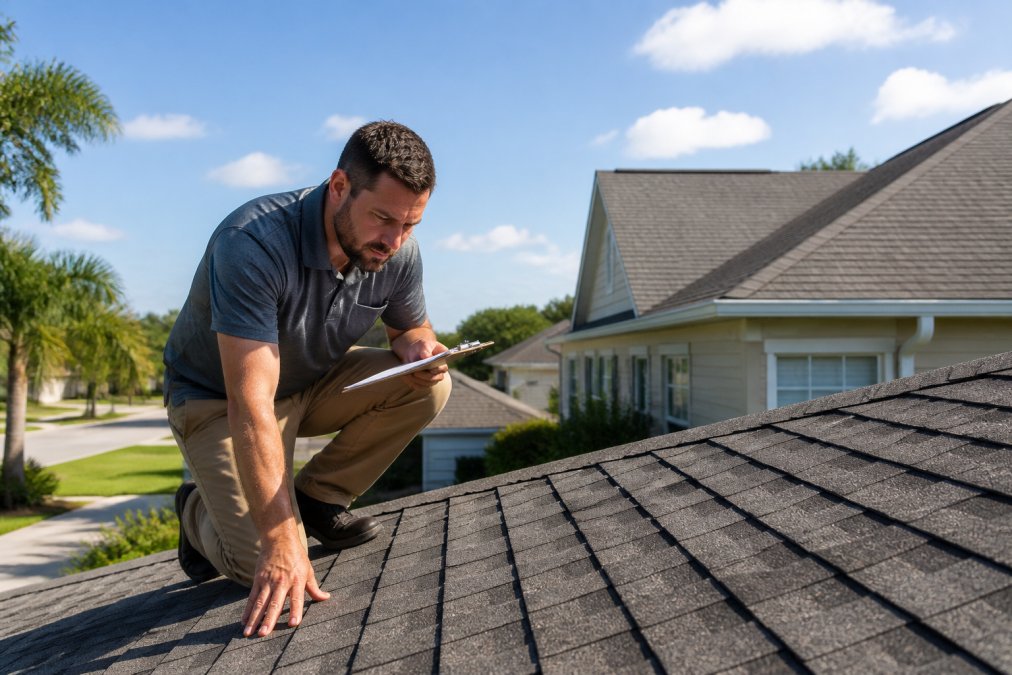
A thorough inspection covers the entire roof covering, every shingle, every flashing, every vent and penetration. The inspector checks for missing or damaged shingles, deteriorated flashing, improper fasteners, and signs of moisture intrusion. They examine gutters and downspouts. They assess ventilation to ensure proper airflow in your attic. They look for evidence of previous repairs and evaluate whether those repairs were done correctly.
The inspector also documents the age and type of roofing materials. They note the condition of the underlayment (the layer beneath the shingles that provides a secondary water barrier). They photograph problem areas. They provide a written report detailing findings, prioritized by urgency.
A quality inspection includes an itemized estimate if repairs are needed. This written estimate breaks down the scope of work, materials, labor, and timeline. You get clarity on what's wrong, what needs fixing, and what it costs.
This is where many contractors cut corners. They give vague verbal estimates or incomplete reports. A professional inspection from a licensed contractor provides documentation you can use for insurance claims, future reference, or getting competitive quotes from other providers.
Roof Inspection Checklist for Homeowners
You don't need to be a roofer to spot obvious problems. Use this checklist to do a preliminary assessment before calling a professional.
Exterior visual check:
- Are shingles missing, cracked, or curled?
- Do you see exposed fasteners or nail pops?
- Is the flashing around chimneys, vents, and skylights intact and properly sealed?
- Are gutters sagging, clogged, or pulling away from the fascia?
- Do you see granule loss (bare spots on asphalt shingles)?
- Are there visible signs of water damage or staining?
Interior check:
- Are there water stains on ceilings or walls?
- Do you see mold or mildew in the attic?
- Is attic insulation wet or compressed?
- Are there daylight gaps in the attic?
Post-storm assessment:
- Are there broken branches on the roof?
- Do you see debris in gutters or downspouts?
- Are there new leaks or water intrusion?
- Has flashing been displaced or damaged?
If you check any of these boxes, schedule a professional inspection immediately. Don't attempt roof repairs yourself, fall injuries are serious, and improper repairs create bigger problems down the road.
Request a Free Roofing Estimate →
How to Schedule Your Free Roof Inspection
Getting a professional roof assessment should be straightforward and hassle-free. Here's the process.
Start by contacting a licensed roofing contractor in your area. Ask about their free inspection and estimate. Confirm they're licensed and insured, this protects you if anything goes wrong during the inspection.
When you schedule, mention any specific concerns: recent storm damage, visible leaks, age of the roof, or upcoming home sale. This helps the contractor prepare and ensures they focus on your priorities.
During the inspection, the contractor will walk the roof, examine all surfaces, check flashing and ventilation, and document findings with photos. During the inspection, the contractor will walk the roof, examine all surfaces, check flashing and ventilation, and document findings with photos.
After the inspection, you'll receive a written report with photos, findings, and recommendations. If repairs or replacement are needed, you'll get an itemized estimate. This document is your roadmap for next steps, whether that's filing an insurance claim, getting competitive quotes, or scheduling work.
Roofing Done Right provides free roof inspections and transparent estimates with no hidden fees. We document everything thoroughly so you have what you need for insurance claims or future planning.
Does a New Roof Increase Home Value
This question matters if you're considering a roof replacement and wondering whether the investment pays off.
The answer is nuanced. A deteriorated roof can decrease value because buyers see risk and expense. A roof in good condition is a baseline expectation, and buyers may factor in its cost if it isn't.
What a new roof does accomplish is remove a major objection during a home sale. Buyers won't demand a price reduction because of roof condition. Appraisers won't flag roof age as a liability. Your home becomes competitive with others on the market rather than being penalized.
From a practical standpoint, a new roof provides peace of mind. You're not worried about leaks, insurance claims, or emergency repairs. You have a warranty on materials and workmanship. That's valuable even if it doesn't directly increase resale price.
The timing matters too. If your roof is nearing the end of its lifespan, replacing it before selling can be a consideration.
Roof Inspections and Insurance Claims
This is where a professional inspection becomes essential. Insurance adjusters require documentation from a licensed contractor to process claims for storm damage.
Here's how it works: After a storm, you contact your insurance company and request a claim inspection. The adjuster visits your home and assesses damage. However, adjusters may miss damage or underestimate repair costs. This is where a professional roof assessment from a licensed contractor can be beneficial.
A licensed contractor's written report and photos provide evidence that supports your claim. The report documents the extent of damage, identifies the cause, and breaks down repair costs. This documentation makes it harder for adjusters to deny or underpay.
Many homeowners don't realize they can hire their own contractor to assess damage before or alongside the insurance adjuster.
Conclusion
Your roof is your home's primary defense against the elements. A professional roof inspection catches problems early, protects your insurance coverage, and gives you the information you need to make smart decisions about repair or replacement.
Frequently Asked Questions
What is included in a professional roof inspection?
A professional roof inspection covers the roof covering, flashing, fasteners, ventilation, gutters, underlayment, and structural integrity. The inspector documents leak detection, signs of moisture intrusion, and overall shingle integrity. You'll receive a written report with an itemized quote for any needed repairs or roof replacement. This thorough assessment protects your home's safety and property value.
How often should I have my roof inspected?
Most homeowners should schedule a roof inspection annually, especially after severe weather. In areas prone to storms, twice-yearly inspections catch damage early. If you notice signs of roof damage or suspect a leak, get an inspection immediately. Preventative maintenance through regular inspections extends your roof's lifespan and prevents costly repairs later.
Does a roof inspection help with insurance claims?
Yes. A professional roof assessment provides documentation that insurance adjusters need to process your claim. A licensed contractor's written report showing storm damage strengthens your case and helps ensure fair compensation. Many adjusters specifically request a licensed contractor's assessment before approving claims for roof repair or replacement.
Are free roof inspections legitimate?
Yes, when offered by licensed, insured contractors. A no-obligation roof assessment is a standard service that lets homeowners understand their roof's condition without financial pressure. Legitimate providers offer free inspections to earn your trust and provide transparent pricing. Always verify the contractor is licensed and insured before scheduling.