 ultimate-guide
Commercial Roof Replacement Timeline 2026: A Planning Guide
Table of Contents
- Commercial Roof Replacement Timeline: What to Expect in 2026
- Key Stages of a Commercial Roofing Project
- Commercial Roof Inspection Checklist for Pre-Replacement Assessment
- Repair vs. Replace: Commercial Roof Decision Framework
- Commercial Roofing Project Management: Timeline and Scheduling
- Factors That Influence Your Commercial Roof Replacement Duration
- Budgeting and Financial Planning for 2026 Roof Replacement
- Warranty, Insurance, and Compliance During Replacement
- Frequently Asked Questions
Last Updated: September 28, 2026
Commercial Roof Replacement Timeline: What to Expect in 2026
A commercial roof replacement timeline in 2026 typically spans 4-8 weeks from initial inspection to final completion, though the actual duration depends on multiple factors unique to your property. Understanding this timeline helps facility managers budget accurately, plan for operational continuity, and avoid costly delays.
Key Stages of a Commercial Roofing Project
A commercial roof replacement follows a predictable sequence, though external factors can shift timelines. The three core stages are pre-project planning and inspection, material sourcing and lead times, and installation with weather contingencies.
Pre-Project Planning and Inspection
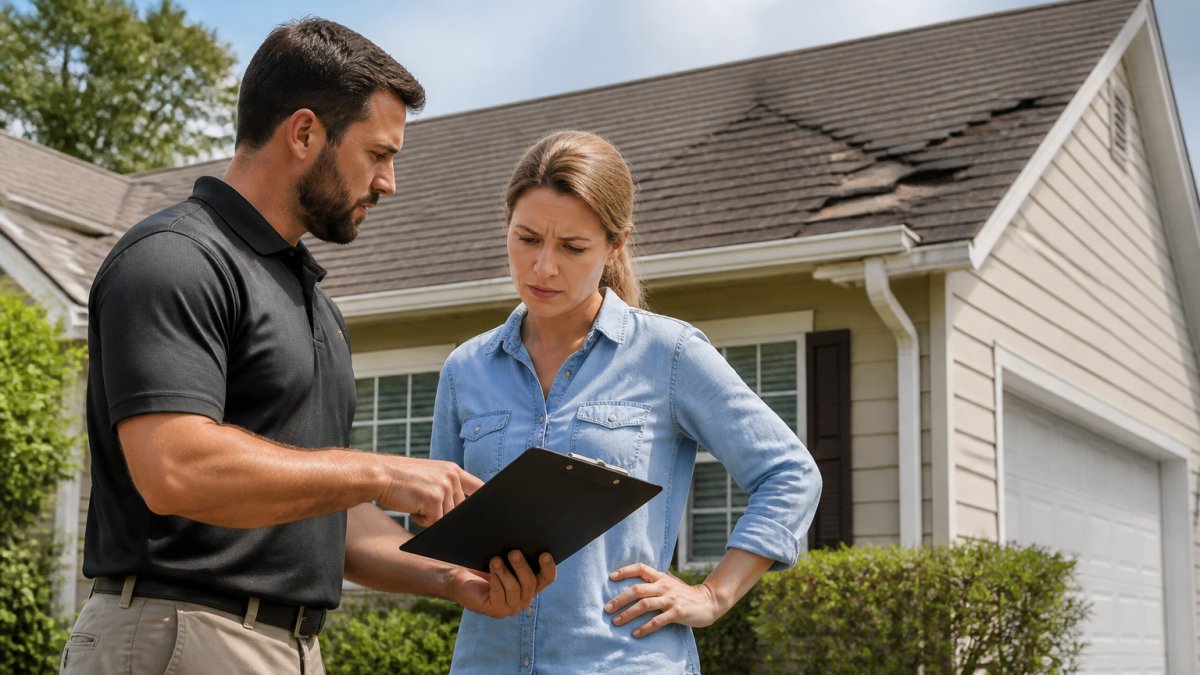
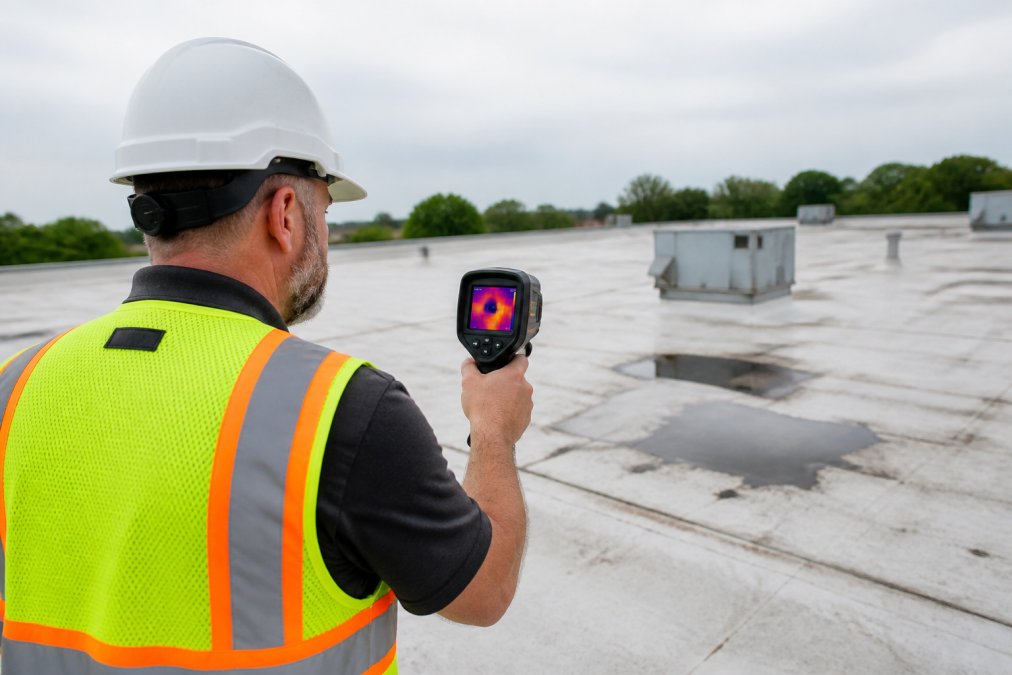
Your commercial roof replacement timeline begins with a thorough roof inspection that identifies scope, material requirements, and structural issues. A professional inspection typically takes 2-5 days and includes visual assessment, moisture detection, and documentation of existing conditions.
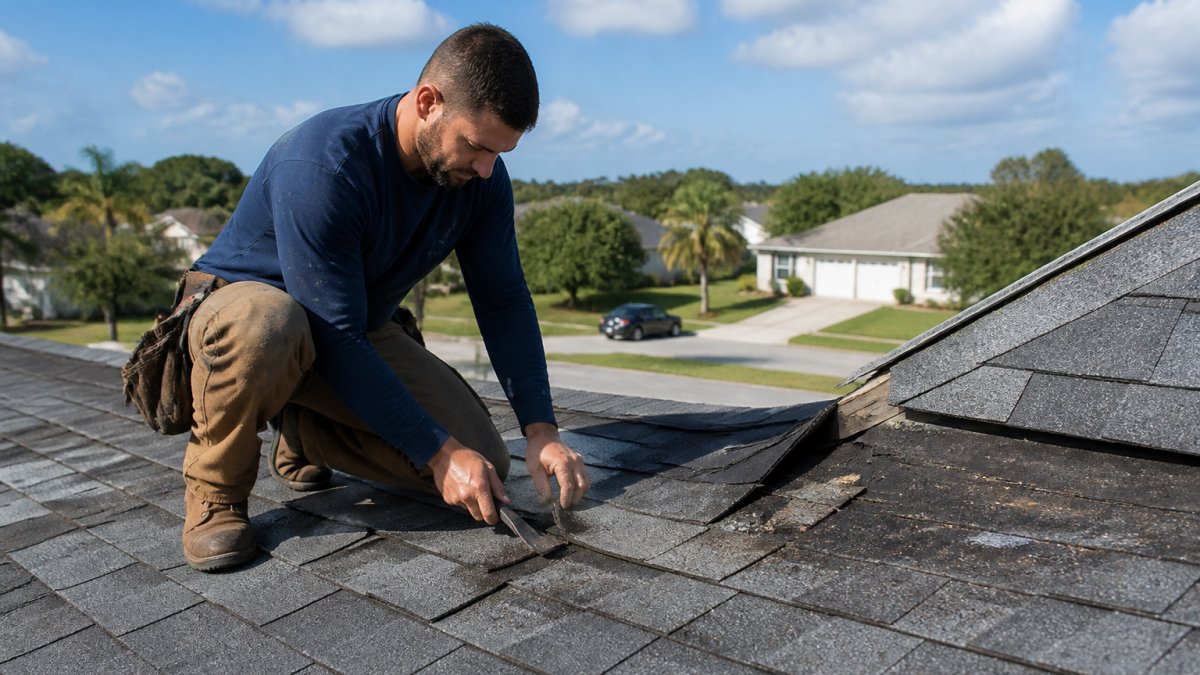
Contractors evaluate membrane type (TPO, EPDM, or built-up), check for blistering, sagging, water infiltration, and assess flashing. They examine sub-roof damage, insulation, and drainage systems to determine whether repair or replacement is necessary.
Permit applications typically take 5-10 business days, though some jurisdictions require structural engineer reports or energy efficiency documentation, extending this to 2-3 weeks. Factor permit timelines into your overall project schedule.
Material Sourcing and Lead Times
Material sourcing is a critical timeline variable. Commercial roofing materials face supply chain pressures that directly impact project start dates.
Standard material lead times range from 3-6 weeks for common components; specialty materials can extend to 8-12 weeks. Order materials immediately after permit approval to prevent delays.
Installation and Weather Delays
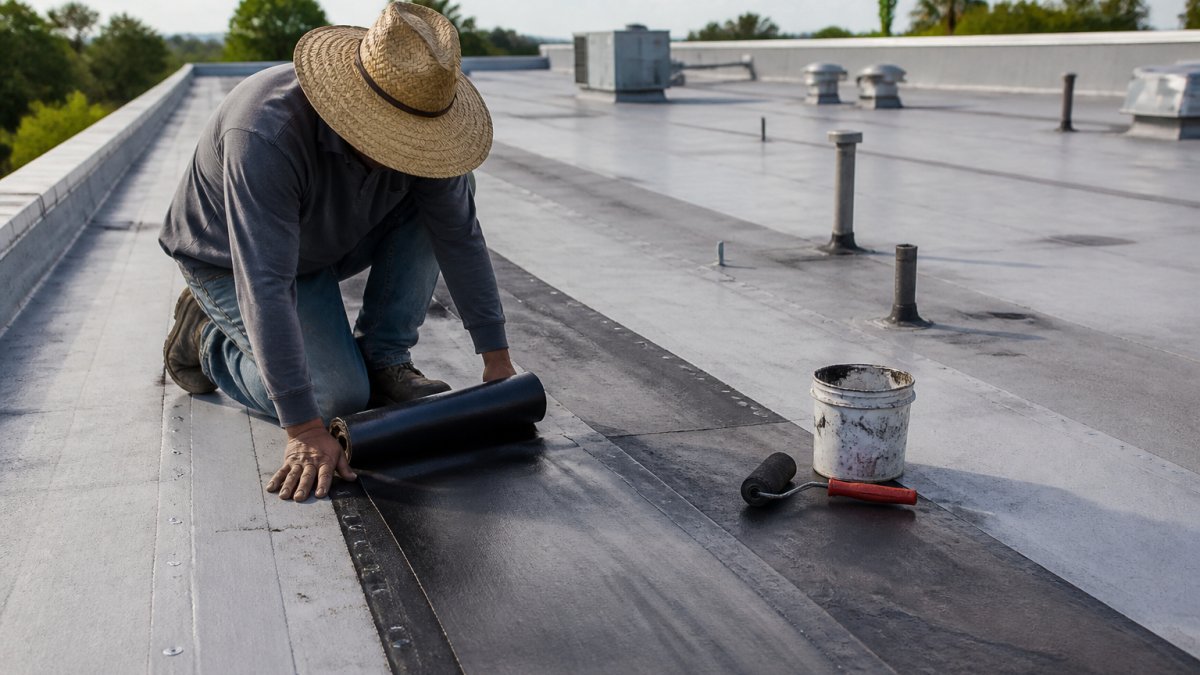
Installation typically requires 1-3 weeks for most properties. A 10,000 square foot flat roof with standard TPO generally takes 2-3 weeks; larger or complex roofs extend to 4-6 weeks.
Weather is the most unpredictable variable. Rain, high winds, and temperature extremes halt work immediately. Most contractors maintain 1-2 week weather contingency buffers. Winter installations face highest risk; summer offers more predictable conditions.
Commercial Roof Inspection Checklist for Pre-Replacement Assessment
| Assessment Item | What to Look For | Timeline Impact |
|---|---|---|
| Roofing membrane type | TPO, EPDM, built-up, metal | Determines material lead times |
| Visible damage | Blistering, sagging, cracks, leaks | Affects urgency and scope |
| Flashing condition | Separation, corrosion, failed sealant | May require extended work |
| Insulation condition | Moisture damage, compression, deterioration | Influences replacement scope |
| Roof drainage | Pooling water, clogged drains, poor slope | Adds 2-3 days to project |
| Structural integrity | Sagging, soft spots, load-bearing concerns | Requires engineer assessment (adds 1-2 weeks) |
| Building occupancy | Tenant operations, access restrictions | Affects work scheduling flexibility |
| HVAC/penetrations | Equipment location, ducting, vents | Impacts installation complexity |
Repair vs. Replace: Commercial Roof Decision Framework
Repair takes 1-2 weeks; full replacement spans 4-8 weeks. Understanding this trade-off shapes your facility planning.
Repair is appropriate for localized damage like failed flashing or isolated blistering. However, repairs extend the inevitable replacement timeline; full replacement typically follows within 3-5 years.
Replacement is necessary at end-of-life (typically 15-25 years) (Resources). Signs include widespread blistering, sagging, chronic water infiltration, and visible deterioration. Replacement is more cost-effective than continued repairs at this stage.
Commercial Roofing Project Management: Timeline and Scheduling
Effective project management compresses your commercial roof replacement timeline and prevents costly delays. A structured approach addresses scheduling, communication, and contingency planning.
Establish a detailed project schedule: inspection (1 week), permits (2-3 weeks), materials (4-6 weeks), installation (2-4 weeks).
Factors That Influence Your Commercial Roof Replacement Duration
Multiple variables affect how long your specific project takes. Understanding these factors helps you anticipate realistic timelines and plan contingencies.
Roof System Type and Complexity
TPO membranes install in 2-3 weeks; EPDM follows similar timelines. Built-up roofing takes 3-4 weeks due to multiple layers and curing time.
Building Occupancy and Operational Continuity
Occupied facilities require scheduling around tenant activities, limiting work hours. This extends a 2-week installation to 3-4 weeks.
Weather and Seasonal Considerations
Weather is the most significant timeline variable. Rain, wind above 35 mph, and temperature extremes halt work. TPO and EPDM require specific temperature ranges for proper installation.
Request a Free Roofing Estimate →
Budgeting and Financial Planning for 2026 Roof Replacement
Your commercial roof replacement timeline impacts financial planning beyond material and labor. Extended timelines increase both direct and indirect operational disruption costs.
Direct Project Costs
Material costs depend on system type, roof size, and market conditions. Request quotes during inspection to lock pricing and confirm lead times.
Operational Continuity Costs (Often Overlooked)
Facility managers frequently underestimate the true cost of roof replacement by ignoring operational disruption expenses. These costs often exceed the roofing project itself.
Financial Planning Timeline
Begin financial planning 6-8 months before your target installation date. This timeline allows you to:
-
Months 1-2: Conduct roof inspection and receive preliminary cost estimates. Request detailed quotes that separate material, labor, permits, and contingency expenses.
-
Months 2-3: Obtain final quotes and lock in material pricing. Request fixed-price contracts if possible to eliminate mid-project cost increases.
-
Months 3-4: Secure financing or capital allocation. Many commercial property owners use capital expenditure reserves; early planning ensures budget availability. If financing is required, allow time for loan approval.
-
Months 4-6: File permits and order materials. Material orders placed during this window ensure delivery before installation begins.
-
Months 6-8: Finalize operational continuity plans and communicate timelines to tenants, employees, or service providers who will be affected by the replacement.
Contingency Budgeting
Include a contingency reserve of 10-15% of total project cost for unexpected expenses. Common contingencies include:
- Structural damage discovered during tear-off (adds 1-2 weeks and $5,000-$15,000 in repairs)
- Permit delays or code compliance upgrades (adds 2-4 weeks)
- Material lead-time extensions (delays installation start by 2-4 weeks)
- Weather delays (extends installation by 1-3 weeks)
- Operational disruption costs exceeding estimates (varies by facility)
Capital Expenditure vs. Operating Expense
Commercial roof replacement is typically a capital expenditure, not an operating expense. This distinction affects how your organization budgets and finances the project. Capital expenditures are depreciated over time (typically 20-25 years for commercial roofing) rather than expensed immediately. Consult your accounting team about depreciation schedules and tax implications; roof replacement often qualifies for accelerated depreciation or bonus depreciation under current tax code provisions.
Warranty, Insurance, and Compliance During Replacement
Your commercial roof replacement timeline must account for warranty documentation, insurance coordination, and building code compliance. These requirements add 1-2 weeks to overall project completion.
Frequently Asked Questions
How long does it take to replace a roof on a commercial building?
Most commercial roof replacements take 2-4 weeks from start to finish, though this varies based on building size, roof system type, and weather. A small single-story building with a TPO or EPDM roofing membrane might finish in 10-14 days, while larger facilities with complex flashing and insulation replacement can extend to 4-6 weeks. Material lead times and supply chain delays in 2026 can add 1-2 weeks to your overall project timeline.
What factors most influence the timeline of a 2026 commercial roof replacement?
Building size, roof system complexity, weather conditions, and material availability are the primary drivers. Your roofing membrane type (TPO versus EPDM), the extent of sub-roof damage, insulation replacement needs, and whether your facility must remain operational during work all affect duration. Supply chain lead times for shingles and specialized materials have tightened in 2026, so ordering early is critical to avoid delays.
When should I schedule a commercial roof inspection checklist to plan for replacement?
Schedule a roof inspection 6-12 months before you anticipate replacement work. A thorough commercial roof inspection checklist evaluates the roofing membrane condition, flashing integrity, water infiltration signs, blistering, sagging, and structural damage. Early inspection identifies whether repair or replacement is necessary, uncovers hidden sub-roof damage, and gives you time to budget, source materials, and plan around your operational calendar.
How do I decide between repair and replacement for my commercial roof?
Use the 25% rule as a starting point: if repairs exceed 25% of the replacement cost, replacement is usually more economical long-term. Beyond cost, consider roof lifecycle stage, extent of water infiltration or blistering, and whether your current system meets building codes and energy efficiency standards. A professional repair vs. replace assessment examines membrane durability, insulation condition, and warranty implications to guide your decision.
What is the 25% rule for roofing and why does it matter for 2026 projects?
The 25% rule states that if annual repair costs approach 25% of a full replacement cost, replacement becomes the better investment. This rule helps property managers avoid the trap of repeatedly patching a failing roof. In 2026, with material costs and labor rates evolving, the rule remains a practical benchmark to prevent budget overruns and protect your capital expenditure planning.
How does weather impact commercial roof replacement schedules in 2026?
Rain, high winds, and extreme temperatures delay installation. Most roofers pause work in heavy rain to ensure proper membrane adhesion and worker safety under OSHA compliance standards. Winter months bring shorter daylight and colder conditions that slow installation. Plan replacement during spring or fall when weather is most predictable. Have contingency time built into your project schedule to absorb weather-related delays.