 ultimate-guide
Commercial Roof Repair: The Complete Guide
Table of Contents
- Commercial Roof Repair: What Property Managers Need to Know
- Commercial Roof Leak Detection and Emergency Repair
- Commercial Roof Inspection Checklist for Property Managers
- Roof Replacement vs. Repair: Making the Right Choice
- Commercial Roof Coating Lifespan and Maintenance
- Florida Building Code Roofing Requirements
- Storm Damage Restoration and Insurance Claims
- Choosing a Licensed and Insured Roofing Contractor
- Frequently Asked Questions
Last Updated: October 7, 2026
Commercial Roof Repair: What Property Managers Need to Know
Commercial roof repair is one of the most critical maintenance decisions property managers face. A single leak can cascade into structural damage, mold growth, and costly interior repairs that dwarf the original roofing problem. Yet many property managers approach roof issues reactively, waiting until a crisis forces their hand rather than implementing preventative strategies that catch problems early.
At Roofing Done Right, we work with commercial property owners who've learned this lesson the hard way. The difference between a $5,000 repair and a $50,000 replacement often comes down to timing and early detection. This guide walks you through what you need to know about commercial roof repair, from spotting problems before they become emergencies to understanding when replacement makes more sense than repair.
The stakes are higher with commercial roofs than residential ones. Your building's roof protects inventory, equipment, and operations. Downtime due to roof failure can halt business entirely. Understanding your roof's condition, your repair options, and how to work with a licensed contractor gives you control over one of your biggest asset risks.
Commercial Roof Leak Detection and Emergency Repair
Water infiltration is the enemy of every commercial structure. The challenge with commercial roofs, especially flat roofs common on warehouses and office buildings, is that leaks often travel horizontally before showing up inside. A water stain on your ceiling might originate from a penetration point 20 feet away.
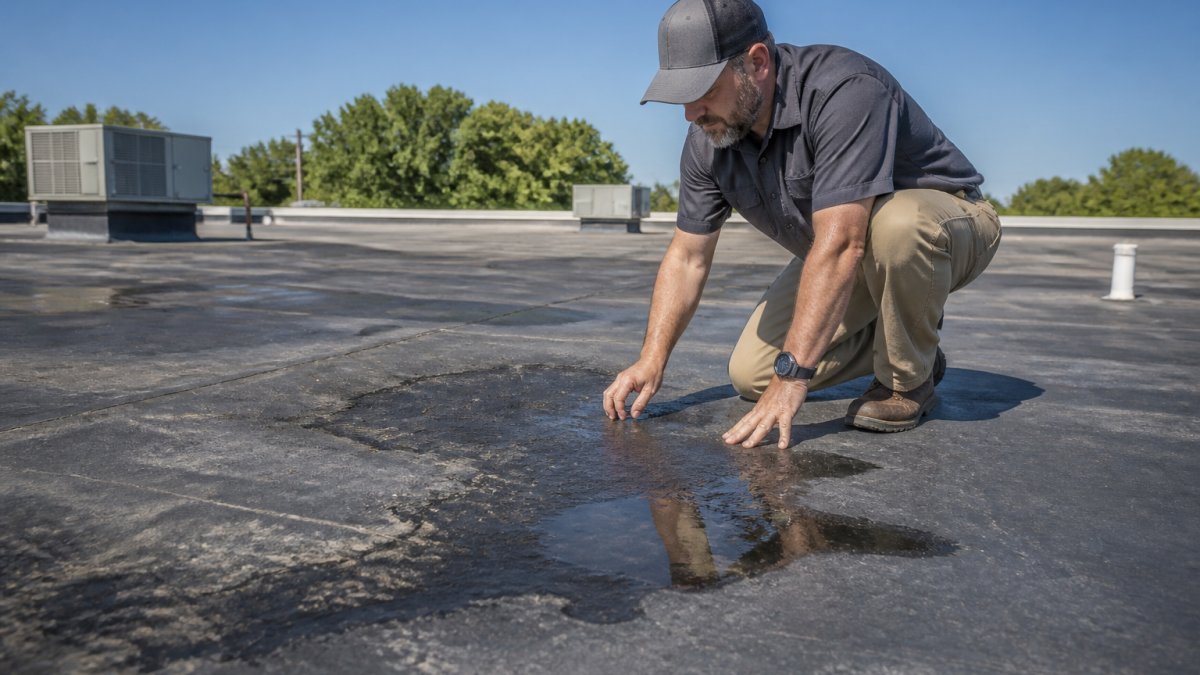
Early detection prevents catastrophic damage. Look for these warning signs: water stains on interior ceilings, peeling paint, soft spots in the roof membrane, standing water pooling on flat sections, or visible cracks around HVAC curb flashing and roof penetrations.
When you spot a potential leak, document it immediately with photos and measurements. Mark the location and date. If water is actively dripping inside, this is an emergency repair situation. Contact a licensed contractor who can respond quickly.
The cost of emergency response is worth avoiding the alternative: water damage spreading through your building's interior, destroying insulation, compromising structural integrity, and creating conditions for mold growth that can make spaces uninhabitable and trigger health concerns for occupants.
Commercial Roof Inspection Checklist for Property Managers
What to Look For During Inspections
A thorough roof inspection catches problems before they become expensive repairs. You don't need to climb onto the roof yourself, in fact, safety regulations make that inadvisable, but you should understand what a professional inspection covers so you can verify the work is being done properly.
Start with the perimeter. Walk around the building's exterior and look up. Check for visible damage to the roof edge, missing or damaged flashing, separated seams in the roof membrane, and debris accumulation. Look at how water drains from the roof.
From ground level, examine roof penetrations: HVAC units, exhaust vents, plumbing vents, and electrical conduits. These are the most common leak sources because they create holes in the continuous roof membrane. The flashing around each penetration should be sealed completely with no gaps, cracks, or separation from the roof surface.
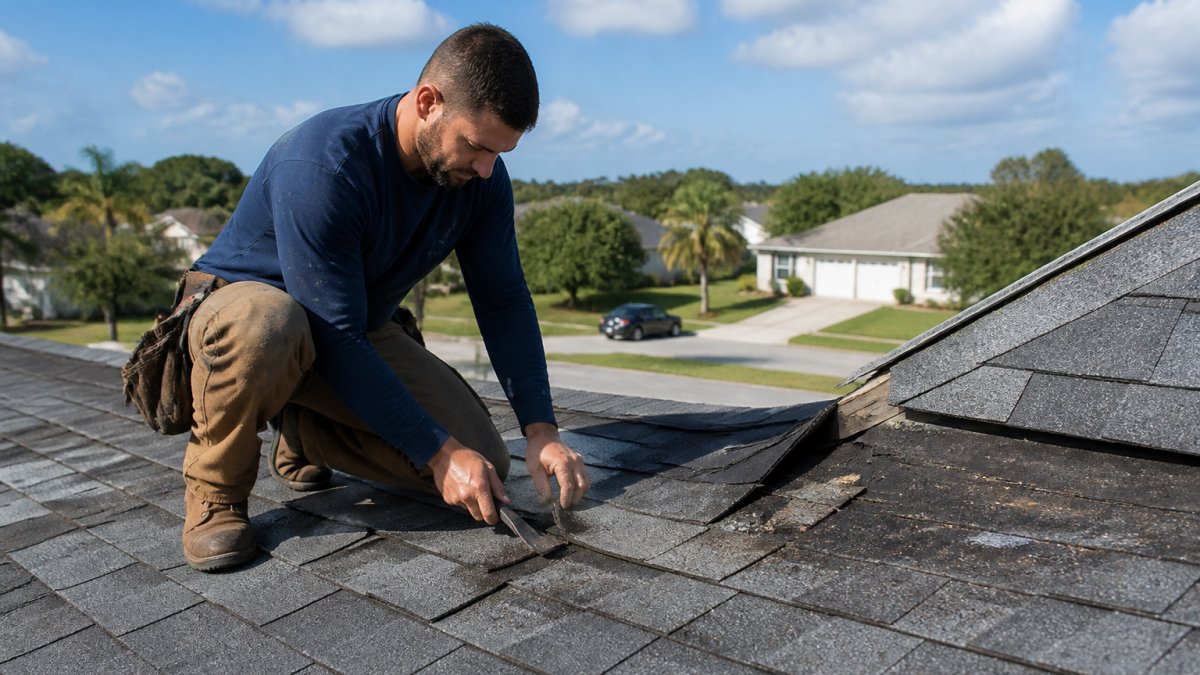
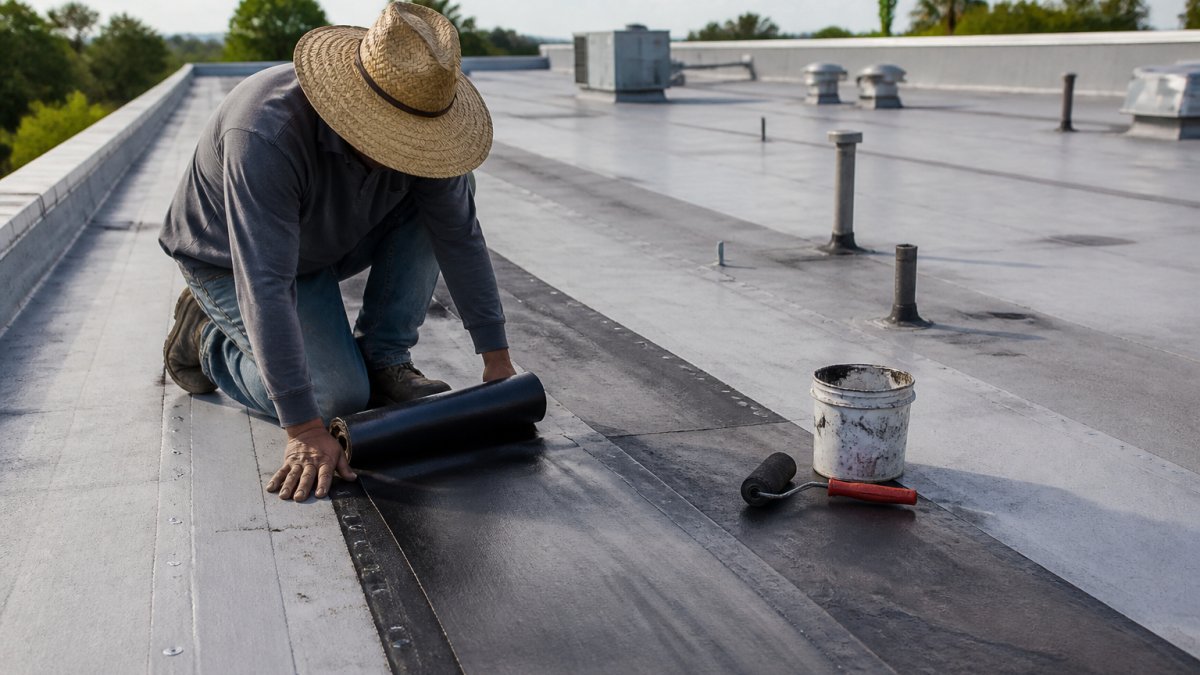
If you can safely access the roof, inspect the membrane itself. On flat roofs, look for blistering (bubbles in the surface), cracking, or areas where the membrane is pulling away from edges. Check that all seams are sealed. Examine the condition of any roof coating, does it appear worn, faded, or deteriorating?
Document everything. Take photos of problem areas from multiple angles. Note the date, weather conditions, and any visible damage with measurements when possible.
Documentation and Record-Keeping
Maintain a roof maintenance log for your property. Record inspection dates, findings, repairs performed, and contractor information. This documentation serves multiple purposes: it helps you track patterns (does the same area leak repeatedly?), provides evidence for insurance claims, and demonstrates due diligence if a leak causes damage.
Keep copies of all repair invoices, warranties, and contractor licenses. When you file an insurance claim for storm damage or water intrusion, your documentation becomes critical evidence. Insurance adjusters want to see that you've maintained the roof properly and responded promptly to problems.
Roof Replacement vs. Repair: Making the Right Choice
This decision hinges on the roof's age, the extent of damage, and the cost comparison. A roof that's 15+ years old with multiple problem areas is approaching the end of its serviceable life. Pouring money into repairs extends the timeline, but eventually you'll face replacement.
Ask yourself: Is this a single isolated problem or a symptom of systemic deterioration? A leak at one HVAC curb can be repaired. But if you're finding leaks in multiple locations, the roof membrane is likely failing broadly, and repair becomes a temporary Band-Aid.
Compare the repair cost to replacement cost. If repairs exceed 50% of replacement cost, replacement usually makes financial sense. You get a new warranty, predictable performance, and peace of mind. If you're spending a significant amount annually on repairs to a roof that would cost substantially more to replace, you're approaching the break-even point where replacement becomes the smarter investment.
Consider your building's future. If you plan to sell or refinance within 5 years, a new roof adds value and eliminates risk for the next owner. If you're in the building long-term, a replacement provides 20+ years of protection versus the uncertainty of an aging roof held together by repairs.
Commercial Roof Coating Lifespan and Maintenance
Roof coatings extend the life of existing membranes by protecting against UV damage and weathering. A quality coating can add 5-10 years to your roof's serviceable life, making it a cost-effective alternative to full replacement when the underlying membrane is still structurally sound.
The lifespan of a commercial roof coating depends on several factors: the coating material (acrylic, polyurethane, silicone, or elastomeric), climate exposure, maintenance frequency, and application quality. In harsh climates with intense sun and temperature swings, coatings degrade faster. Coatings in protected areas last longer.
Maintenance is critical to maximizing coating life. Clear debris from the roof regularly. Pressure washing removes dirt and algae that can degrade the coating surface. Inspect for cracks or separation from the membrane, and have these sealed promptly. Proper maintenance can extend coating life by 2-3 years beyond the baseline expectation.
When a coating shows widespread cracking, peeling, or has lost its reflective properties, it's time for recoating. Recoating is less expensive than full roof replacement and resets the protection clock on your existing membrane.
Request a Free Roofing Estimate →
Florida Building Code Roofing Requirements
Commercial roofing in this region must comply with the Florida Building Code, which establishes standards for wind resistance, water intrusion prevention, and structural integrity. The code is updated regularly to reflect lessons learned from hurricane damage and evolving construction practices.
Key requirements include wind uplift resistance ratings appropriate to your building's location and exposure category. Coastal areas face more stringent standards than inland locations. Your roof system must be rated to withstand design wind speeds for your specific area. This includes not just the membrane material but also the attachment method, how the roof is secured to the structure beneath it.
The code also mandates proper drainage. Flat roofs must slope toward drains or scuppers to prevent standing water. Roof penetrations must be sealed and flashed according to specific standards. HVAC curb flashing must meet detailed specifications to prevent water from entering around the equipment.
When planning repairs or replacement, ensure your contractor is familiar with current Florida Building Code requirements. Code compliance isn't optional, it's what protects your building and what insurers expect to see. A licensed contractor will know these requirements and build them into their work.
Storm Damage Restoration and Insurance Claims
Storm damage to commercial roofs is common in this region. High winds can lift roof membranes, tear seams, or damage flashing. Hail can puncture materials. Heavy rain finds every weak spot in the system.
After a storm, document all visible damage with photos and video before cleanup begins. This documentation is essential for your insurance claim. Note the date and time of the storm, wind speeds if available, and the specific areas affected.
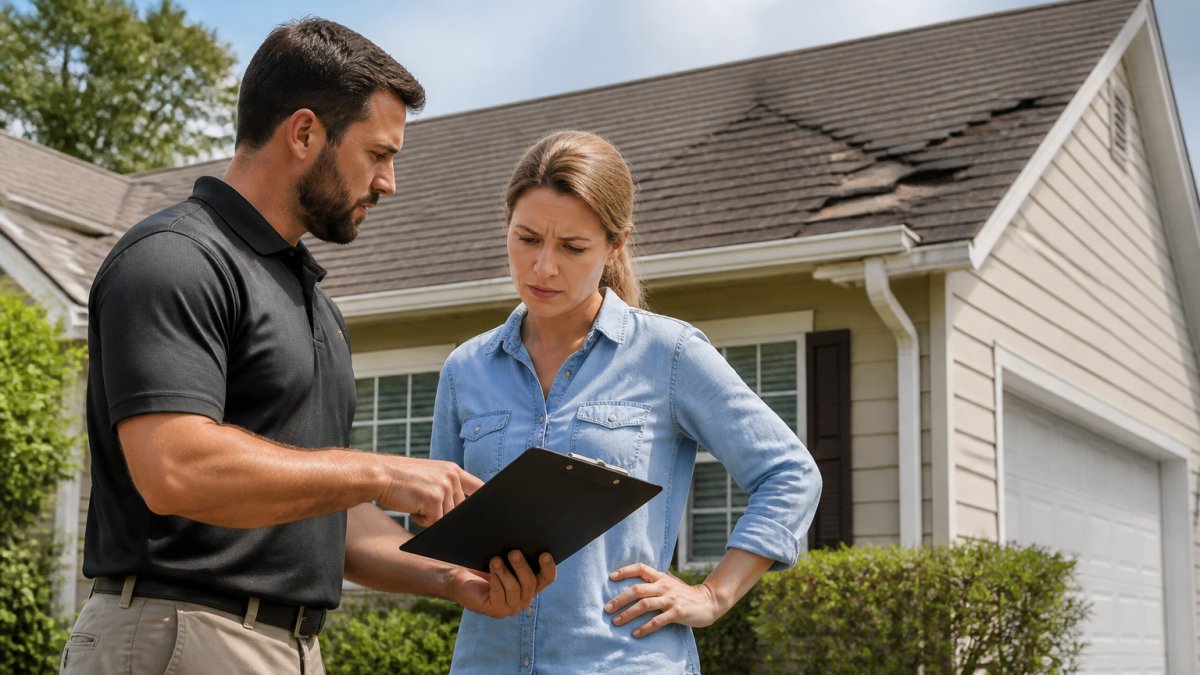
Contact your insurance company promptly. They'll send an adjuster to assess the damage and determine coverage. Have a licensed roofing contractor available to provide a detailed damage assessment and repair estimate. Insurance companies often want input from licensed professionals, not just property owner observations.
The adjuster will determine whether damage qualifies for coverage under your policy. Most commercial policies cover storm damage but exclude damage from lack of maintenance or pre-existing conditions. This is where your inspection documentation becomes valuable, it shows you've maintained the roof properly and the damage is new, storm-related deterioration.
Work with your contractor to coordinate the claim process. Some contractors have experience working with insurance adjusters and can help ensure the estimate captures all damage. The goal is getting approval for repairs that restore your roof to pre-storm condition.
Choosing a Licensed and Insured Roofing Contractor
This decision determines whether your repair lasts 5 years or 15 years, and whether you're protected if something goes wrong.
Start with licensing. Your contractor must hold a current Florida roofing license. This isn't a suggestion, it's a legal requirement for commercial roofing work.
Insurance is equally critical. Your contractor should carry general liability insurance (protecting you if they damage your property) and workers' compensation insurance (protecting you if their workers are injured on your property).
Ask for references from commercial projects similar in scope to yours. How long have they been in business? Do they specialize in commercial roofing or do they dabble?
Discuss their process for cleanup and site protection. How do they prevent damage to landscaping, driveways, and walkways? What's their nail removal process? A contractor who takes cleanup seriously treats your property with respect.
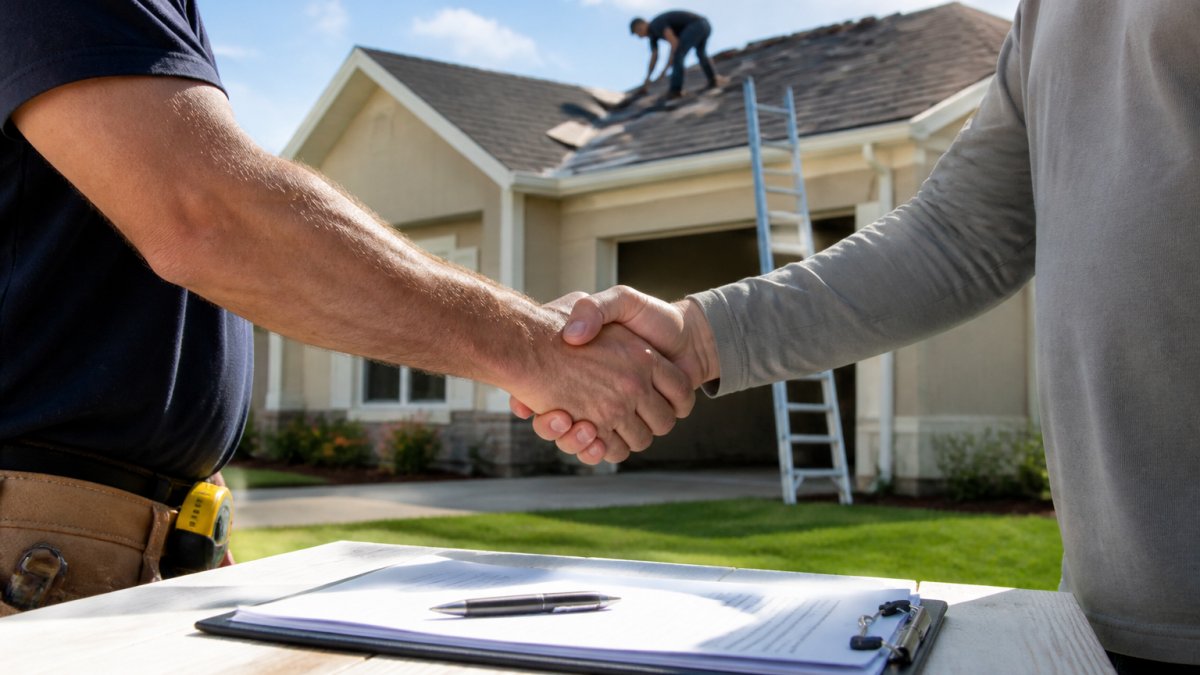
Get everything in writing: the scope of work, timeline, materials to be used, warranty terms, and total cost. A detailed contract protects both you and the contractor by setting clear expectations.
Choosing the right commercial roof repair contractor is choosing someone who will protect one of your building's most critical systems. At Roofing Done Right, we bring local expertise and a commitment to quality that goes beyond the job itself.
| Inspection Element | What to Check | Why It Matters |
|---|---|---|
| Roof Membrane | Blistering, cracks, separation | Indicates deterioration and imminent failure |
| Penetrations | Flashing condition around HVAC, vents, pipes | Most common leak source |
| Drainage | Standing water, clogged gutters | Poor drainage causes pooling and structural damage |
| Seams | Sealed properly, no separation | Seam failure is a primary leak path |
| Edges | Flashing intact, no gaps | Protects building perimeter from water infiltration |
Frequently Asked Questions
How do I know if my commercial roof needs repair or replacement?
Look for signs of age, pooling water, membrane tears, and rust on metal components. If repairs exceed a significant portion of the roof's replacement cost or the roof is near the end of its expected lifespan, replacement is often more economical. A licensed contractor can assess whether patching or full replacement makes sense for your building.
What should be included in a commercial roof inspection checklist?
A thorough commercial roof inspection checklist should cover membrane condition, flashing and penetration seals, drainage systems, structural integrity, and signs of water damage or leaks. Document the roof age, material type, and any previous repairs. Photos and written notes create a baseline for tracking deterioration over time and support insurance claims.
How long does a commercial roof coating last?
Commercial roof coating lifespan typically varies depending on climate, material type (acrylic, polyurethane, or silicone), and maintenance. Coastal and high-UV areas experience faster degradation. Regular inspections and touch-ups extend the coating's life and protect the underlying membrane from weather damage.
What roofing requirements does Florida building code enforce?
Florida building code roofing requirements mandate wind-resistant materials, proper fastening for hurricane loads, and compliance with the Florida Building Code standards. Coastal areas have stricter requirements. A licensed contractor ensures your roof meets all local codes and passes inspections, protecting your building and insurance coverage.
Do commercial roofers handle insurance claims?
Yes, licensed contractors familiar with commercial roofing can assess storm damage, document conditions with photos, and provide detailed estimates that support insurance claims. They understand what adjusters look for and can help ensure your claim reflects the true scope of damage and repair costs.
What makes a roofing contractor legitimate and trustworthy?
Verify that the contractor is licensed with the Florida Department of Business and Professional Regulation, carries general liability and workers' compensation insurance, and has verifiable references. Ask to see proof of licensing and insurance before work begins. A reputable contractor also provides a written contract and warranty on their work.