 ultimate-guide
Residential Roof Warranty Coverage Explained
Table of Contents
- What Residential Roof Warranty Coverage Includes
- Manufacturer Roof Warranty: Materials and Defects
- Roof Workmanship Warranty: Installation and Labor
- What Voids a Roof Warranty and Common Exclusions
- Roof Warranty Claim Process: Documentation and Timeline
- Warranty Transfer and Coverage When Selling Your Home
- Getting the Most from Your Roof Warranty
- Frequently Asked Questions
Last Updated: October 5, 2026
What Residential Roof Warranty Coverage Includes
A residential roof warranty coverage is a manufacturer or contractor guarantee protecting your roofing investment against defects, material failures, and workmanship issues for a specified period.
Most homeowners discover gaps in their roof warranty coverage only when damage occurs.
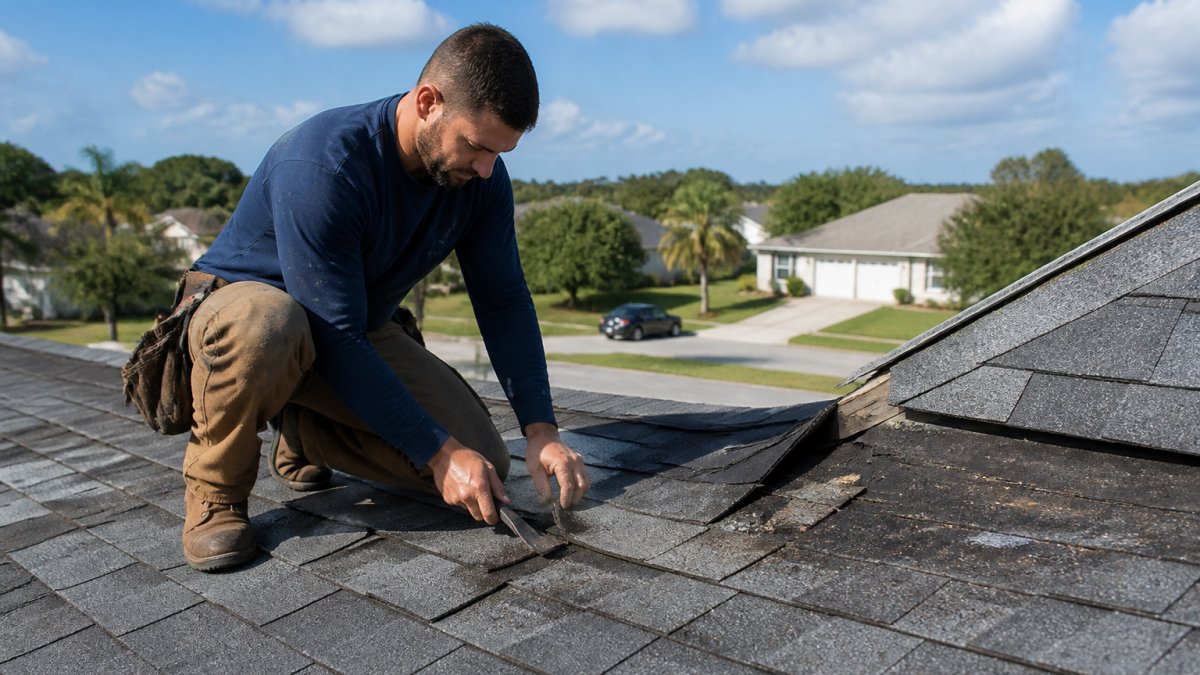
Your roof warranty usually covers material defects like premature shingle deterioration, manufacturing flaws, and product failures under normal conditions.
Manufacturer Roof Warranty: Materials and Defects
The manufacturer roof warranty is your first line of defense against product failure, covering defects in shingles, underlayment, flashing, and accessories that fail due to manufacturing issues.
Manufacturers typically warrant against granule loss, cracking, curling, and splitting under normal weather exposure. If your asphalt shingles lose granules excessively within the warranty period, the manufacturer may cover replacement materials, but not necessarily labor, a distinction that matters when calculating your actual financial protection.
Limited Lifetime Warranty Explained
A limited lifetime warranty extends for the life of the original homeowner, but with conditions and prorated benefits. "Limited" is crucial, it's not unlimited protection.
If your shingles fail at year 15 of a 25-year limited lifetime warranty, the manufacturer might cover 50% of material costs rather than 100%; after year 20, coverage might drop to 25%.
Coverage by Roofing Material
Different roofing materials carry different warranty structures. Asphalt shingles typically carry 20-30 year limited lifetime warranties. Metal roofing often includes 30-50 year warranties because the material is more durable.
Slate and tile roofing can include warranties extending 50+ years or even lifetime coverage, but often cover only the material, not the labor to replace cracked tiles.
Roof Workmanship Warranty: Installation and Labor
The roof workmanship warranty protects against poor installation that compromises roof performance.
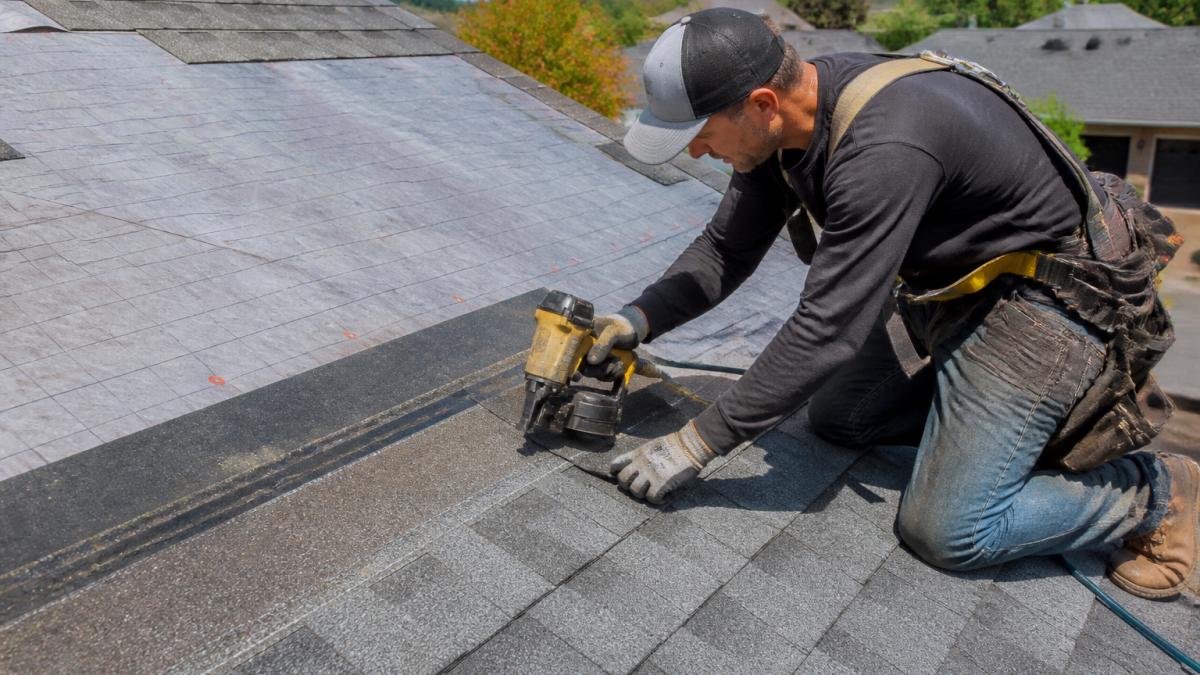
Workmanship coverage typically includes improper nailing patterns, inadequate sealing, poor flashing installation, or ventilation problems that cause premature failure.
Workmanship warranties are usually shorter than material warranties, most contractors offer 5-10 year guarantees, while manufacturers provide 20-30 year material coverage.
What Voids a Roof Warranty and Common Exclusions
Understanding warranty exclusions is as important as knowing what's covered. Certain actions or conditions will immediately void your roof warranty coverage, leaving you responsible for all repair costs.
Improper maintenance is the most common reason warranties become invalid. If your warranty requires annual inspections and debris removal, failing to maintain the roof eliminates coverage.
Normal Wear and Tear vs. Covered Damage
Normal wear and tear is explicitly excluded from most roof warranties, gradual deterioration from sun exposure, temperature cycling, and age-related breakdown isn't covered. Distinguishing normal wear from a material defect can be contentious.
Storm damage is a gray area. Most warranties exclude damage from severe winds, hail, or falling objects as acts of nature.
Maintenance Requirements You Must Follow
Your warranty likely includes maintenance requirements you must follow to keep coverage active:
- Annual roof inspections
- Prompt removal of debris, leaves, and branches
- Clearing gutters and downspouts to prevent water backup
Failure to follow these gives the manufacturer grounds to deny claims. Neglected gutters, accumulated debris, or visible moss growth can result in denial, even if the damage would otherwise be covered.
Roof Warranty Claim Process: Documentation and Timeline
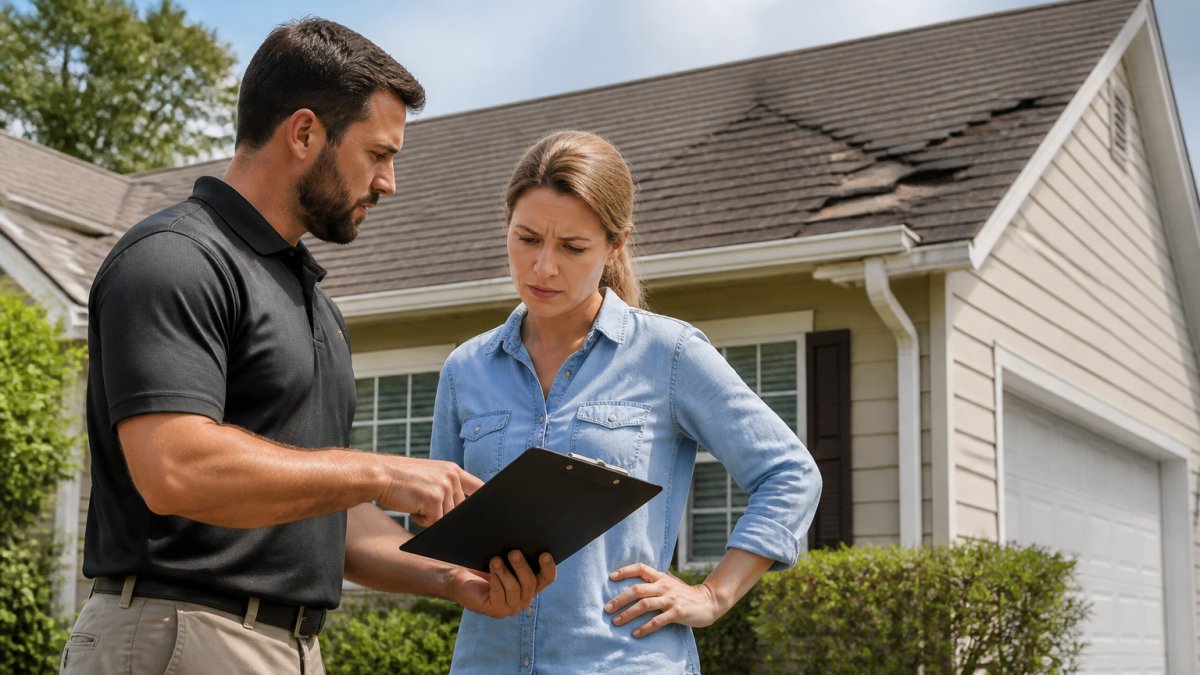
Filing a roof warranty claim reveals whether your coverage is real or theoretical. The process is document-driven, and missing records are the most common reason a valid claim stalls. A typical claim moves through five stages: notice, documentation, inspection, decision, and remedy, two to six weeks for a straightforward material defect, longer if lab testing or a dispute is involved.
Step 1: Notify the Right Party
Your first call depends on what failed. For a manufacturing defect, granule loss, cracking, curling, or splitting shingles, contact the manufacturer or the certified contractor who installed the roof. For installation error, improper nailing, poor flashing, or ventilation mistakes, contact the installing contractor first. Many manufacturers require the original contractor to inspect before accepting a claim, so check your warranty paperwork.
Step 2: Build Your Documentation File
Before anyone inspects the roof, assemble a file answering the questions an adjuster will ask:
- Clear photographs of the damaged area from multiple angles, plus a wide shot in context
- The date you first noticed the problem and any recent weather events
- Your original installation invoice, contract, and warranty certificate
Step 3: The Manufacturer Inspection
The manufacturer or its designated inspector schedules a visit, usually within two to four weeks. The inspector examines the damaged area, takes photographs, and may cut a sample shingle for lab analysis when a defect is suspected. You are entitled to be present, ask what they're looking for and to note any conditions they observe.
Step 4: The Written Decision
After inspection, the manufacturer issues a written decision within one to two weeks, stating whether the claim is approved, denied, or approved in part. A partial approval often means replacement materials but not labor, or prorated materials based on roof age.
Step 5: Remedy and Repair
If approved, the manufacturer may authorize the original contractor to perform the repair or issue payment for the approved amount. Repair work usually begins within two to four weeks, though weather and material availability can extend that. Keep copies of every repair document, a second claim may require proof the first repair was done correctly.
Request a Free Roofing Estimate →
If Your Claim Is Denied: Appeal and Escalation
A denial is not always final. Common reasons include normal wear and tear, storm damage, improper maintenance, or installation by a non-certified contractor. If you believe the denial is wrong:
- Request the denial in writing with the specific reason. A vague denial is harder to challenge.
- Get a second opinion from an independent roofing inspector. A written report disagreeing with the manufacturer's finding is the strongest appeal tool.
- File a formal appeal with the manufacturer. Ask for the internal appeals process in writing and follow the deadlines.
- Escalate to the manufacturer's regional or corporate office if the local representative won't reconsider.
- Contact your state's consumer protection office or the attorney general's consumer division if the manufacturer is unresponsive. Warranty terms are governed by state law.
- Consider small claims court for disputes within your state's monetary limit, often the fastest route for a denied claim.
How Long the Whole Process Takes
| Stage | Typical Duration |
|---|---|
| Claim filed to inspection scheduled | 2-4 weeks |
| Inspection completed | Same day, a few hours on-site |
| Inspection to written decision | 1-2 weeks |
| Decision to repair scheduled | 2-4 weeks |
| Appeal, if needed | 4-8 weeks additional |
Timelines vary by manufacturer and season. Storm season can double inspection wait times because adjusters are handling a high volume of claims.
Warranty Transfer and Coverage When Selling Your Home
A roof warranty can be one of the most valuable, and most overlooked, assets in a home sale. Whether it transfers depends on the manufacturer's terms, the roof's age, and whether the original owner followed the transfer rules.
How Transfer Works
Manufacturer warranties fall into three transfer categories:
- Fully transferable at no cost. The remaining warranty passes to the next owner with a simple registration, minus any prorated reduction.
- Transferable for a fee and with reduced coverage. Many manufacturers require a transfer application within 30 to 60 days of sale and may reduce the coverage term or proration schedule for the second owner.
- Non-transferable. Some warranties cover only the original homeowner and end at sale, leaving the buyer no manufacturer coverage regardless of roof age.
Workmanship warranties are separate and often limited to the original homeowner. Ask the contractor directly, in writing, before closing.
Deadlines and Documentation You Need
Transfer is almost never automatic. The buyer or seller must submit a transfer application, and the deadline is strict, missing the window can void the transfer entirely. Expect to provide:
- The original warranty certificate or registration confirmation
- Proof of the original installation date and contractor
- The property address and date of sale
What Buyers Should Ask During Due Diligence
A roof warranty is a due-diligence item, not a closing formality. Buyers should ask:
- What is the remaining warranty term, and is it prorated?
- Is the warranty transferable, and what is the transfer deadline?
- Does it cover materials only, or materials and labor?
- Has the roof been maintained per the warranty requirements?
- Have there been prior claims or repairs, and were they documented?
A roof with a transferable warranty and clean maintenance record is a stronger selling point than one with no documentation, even at the same age.
What Sellers Should Do Before Listing
If you're selling, gather the warranty file before listing: the warranty certificate, installation invoice, and maintenance records. If registration was required and you never registered, contact the manufacturer about late registration. If a transfer fee applies, decide whether to pay it as a concession or disclose it to the buyer.
State Consumer Protections and Contract Review
Warranty transfer rules are set by the manufacturer's written terms, but state law can add consumer protections. Some states require written warranties be honored as written and provide remedies for deceptive practices. Because rules vary, a buyer or seller with a significant roof warranty at stake should have the documents reviewed by a real estate attorney or qualified roofing consultant before closing.
Getting the Most from Your Roof Warranty
Maximizing your roof warranty protection requires proactive management and understanding your coverage terms.
Review your warranty documentation annually, note the expiration date, maintenance requirements, and exclusions.
Register your roof warranty if the manufacturer offers it.
Maintain your roof consistently.
When selecting a roofing contractor, verify they're licensed and that their workmanship warranty complements the manufacturer's material warranty.
| Coverage Type | Typical Duration | Prorated After | Key Exclusions |
|---|---|---|---|
| Manufacturer Material | 20-30 years | Year 10-15 | Normal wear, storm damage, improper maintenance |
| Workmanship/Labor | 5-10 years | Rarely prorated | Unauthorized repairs, neglected maintenance |
| Limited Lifetime | Life of owner | Year 10-15 | Transferability limited, coverage decreases over time |
| Enhanced/System | 25-50 years | Year 15-20 | Varies by manufacturer; typically more inclusive |
Protecting your roof investment starts with understanding what your warranty covers and what conditions keep that protection valid.
Frequently Asked Questions
What does a residential roof warranty actually cover?
Residential roof warranty coverage typically includes two parts: manufacturer warranty covers material defects in shingles, underlayment, flashing, and roofing accessories, while workmanship warranty covers installation labor and proper application. Coverage periods vary, some manufacturers offer limited lifetime warranties that decrease over time, while others provide term-based coverage of 10-30 years. Both typically exclude normal wear and tear, storm damage beyond manufacturer specifications, and damage from improper maintenance or unauthorized repairs.
What's the difference between a manufacturer roof warranty and a workmanship warranty?
A manufacturer roof warranty covers defects in the roofing materials themselves, shingles, underlayment, flashing, and accessories, due to manufacturing flaws or premature failure. A roof workmanship warranty covers the quality of installation and labor, protecting you if the contractor didn't install the roof according to manufacturer specifications. You need both: materials can be perfect but installed incorrectly, or installation can be flawless but materials fail. Always verify both are in writing before work begins.
What voids a roof warranty?
Common warranty voidance occurs from: improper maintenance (failing to inspect or clean gutters and ventilation), unauthorized repairs by uncertified contractors, walking on the roof unnecessarily, using incompatible roofing accessories, storm damage beyond what the warranty covers, and failure to register the warranty with the manufacturer. Some warranties also void if you don't follow the manufacturer's specifications for underlayment, ventilation, or roof deck preparation. Always review exclusions in your warranty document and follow maintenance requirements to keep coverage valid.
How do I file a roof warranty claim?
Start by documenting the damage with photos and written descriptions. Contact the manufacturer or contractor who issued the warranty and request a claim form. Provide proof of purchase, warranty registration, and documentation of the defect or installation issue. The manufacturer will typically send an inspector to assess whether the claim is valid under the warranty terms. If approved, they'll authorize repair or replacement. Processing times vary but typically take 2-6 weeks from initial claim to authorization. Keep all documentation organized and communicate in writing when possible.
Does a roof warranty cover storm damage like hail or wind?
Most manufacturer warranties specifically exclude storm damage like hail, wind, and impact damage. However, some enhanced or extended warranties offer limited storm coverage. Your homeowner's insurance typically covers storm damage instead. If you experience storm damage, file a claim with your insurance company first. A licensed contractor can assess the damage and help document it for insurance purposes. Some warranties may cover secondary damage (like leaks) that result from storm damage, so review your specific warranty terms or consult with your contractor.
What is a limited lifetime roof warranty?
A limited lifetime warranty means the manufacturer guarantees the roofing materials for the life of the original homeowner, typically 20-40 years depending on the manufacturer and shingle grade. However, 'limited' means coverage decreases over time through prorated coverage: the manufacturer covers 100% of defective materials in early years, then the percentage decreases (for example, 80% coverage at year 10, 50% at year 20). The warranty terminates when you sell your home or after a set number of years, whichever comes first. Always read the fine print to understand the prorated schedule.
Can I transfer my roof warranty if I sell my home?
Many manufacturer warranties are transferable to the next homeowner, but transferability varies by manufacturer and warranty type. Some warranties transfer automatically, while others require you to notify the manufacturer with proof of sale. Transferable warranties often have reduced coverage terms for the second owner, for example, full coverage for the original owner but prorated coverage for subsequent owners. Workmanship warranties from your contractor typically do not transfer. When selling, inform the buyer about your warranty and provide documentation so they can register the transfer if eligible. This can be a selling point for your home.
What should I look for when reviewing a roof warranty?
Check the coverage period (how many years), what materials are covered (shingles, underlayment, flashing, accessories), whether it's prorated or full replacement, what's excluded (storm damage, improper maintenance, unauthorized repairs), transferability terms, maintenance requirements you must follow, and the claim process. Verify the warranty is from the manufacturer and includes separate workmanship coverage from your installer. Ask your contractor to explain any terms you don't understand and get the warranty in writing before work begins. Compare warranties between contractors, a longer, more comprehensive warranty often reflects confidence in both materials and installation quality.