 ultimate-guide
What to Look for in a Roofing Warranty: 2026 Guide
Table of Contents
- Two Roofing Warranties, Two Very Different Promises
- Manufacturer vs Workmanship Roofing Warranty: Key Differences
- Common Reasons Roof Warranties Are Voided
- Roofing Warranty Transferability and Real Estate Transactions
- How to File a Roofing Warranty Claim
- Frequently Asked Questions
Last Updated: September 27, 2026
Two Roofing Warranties, Two Very Different Promises
A roofing warranty is a written guarantee that covers specific defects in your roof system for a set period, and it typically comes from two separate sources: the manufacturer who made your shingles and the contractor who installed them. Most homeowners assume one warranty covers everything. It rarely does.
This guide breaks down exactly what to look for in a roofing warranty, from coverage limits to the fine print that voids it. Here's what most homeowners get wrong: they read the length of the warranty and stop there. The duration means nothing if the coverage excludes the failure you actually experience.
Manufacturer Coverage: Material Defects Only
Manufacturer coverage protects against defects in the products themselves, such as asphalt shingles that crack prematurely or underlayment that fails before its rated lifespan. It does not cover poor installation, and it does not cover labor.
The manufacturer warranty is registered to you, usually within a set window after installation. If your contractor never registers it, the coverage may default to a shorter term or become non-transferable. Always confirm registration in writing.
Workmanship Coverage: The Installation Itself
Workmanship coverage protects against installation error: improperly seated flashing, incorrect nailing patterns, or poor sealing that lets water in. This is the warranty your roofing contractor provides, and it's the one most homeowners overlook.
A manufacturer warranty is worthless if the installer made a mistake the manufacturer can attribute the failure to. That's why the workmanship piece matters more than the brand name on the shingle.
Manufacturer vs Workmanship Roofing Warranty: Key Differences
The core difference is simple: a manufacturer warranty covers the product, and a workmanship roofing warranty covers the installation. Understanding where each one starts and stops is what protects you when something fails.
| Feature | Manufacturer Warranty | Workmanship Warranty |
|---|---|---|
| Covers | Material defects | Installation error |
| Issued by | Shingle/underlayment maker | Your roofing contractor |
| Typical duration | 25 years to lifetime (limited) | 1 to 10 years |
| Labor included | Rarely | Usually |
| Transferable | Often, with registration | Depends on contractor |
| Voided by | Improper installation, neglect | Poor maintenance, added structures |
A limited warranty restricts what's covered and for how long, while a full or non-prorated warranty covers the full value for the entire term. Many "lifetime" warranties are limited and pro-rated, meaning the payout shrinks as the roof ages.
Common Reasons Roof Warranties Are Voided
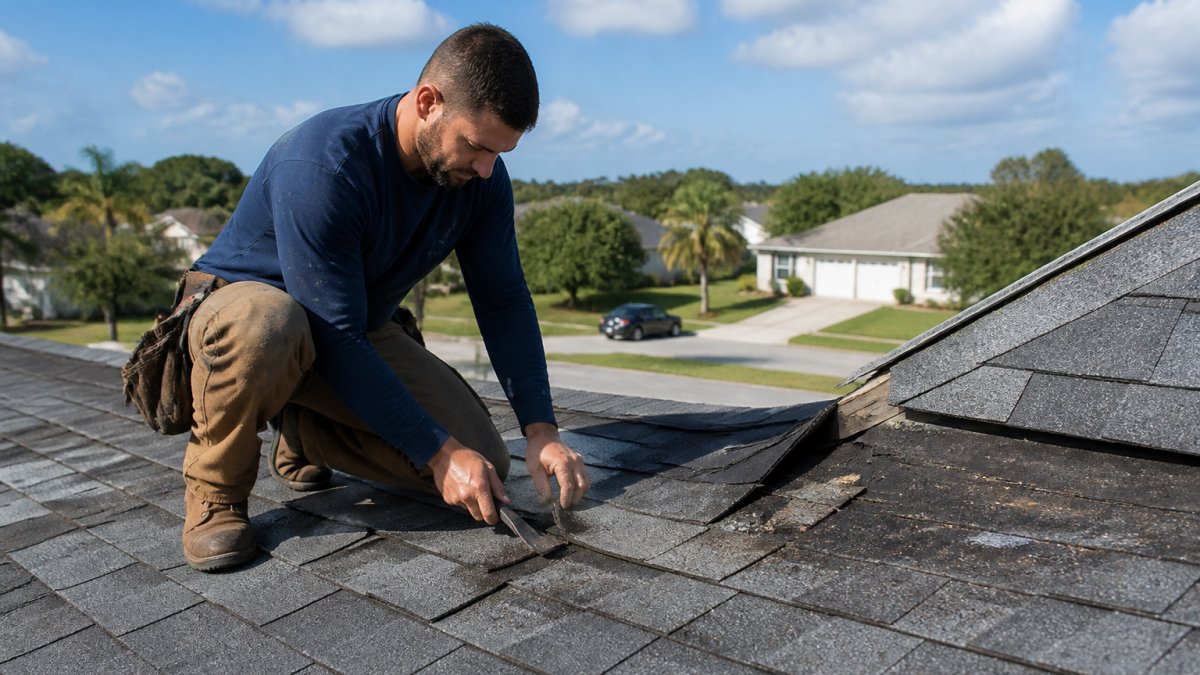
Roof warranties are voided most often by improper installation, poor ventilation, neglect of maintenance, or unauthorized repairs by someone other than the original installer. The frustrating part is that several of these are out of your control once the crew leaves your driveway. What separates a denied claim from an approved one is usually not the failure itself, but whether the homeowner can show the failure was not their fault.
Here's what typically voids coverage, and the mechanism behind each:
- Improper installation that violates manufacturer specifications. Nailing depth, nail placement, and the number of fasteners per shingle are spelled out in the installation instructions that ship with every bundle. When a manufacturer inspects a failed roof, the first thing they check is whether the fasteners match the spec. If they don't, the failure gets attributed to the installer, not the product.
- Inadequate ventilation, which traps heat and moisture and breaks down shingle integrity from underneath. Manufacturers publish minimum net-free ventilation ratios, and an attic that falls below them gives the manufacturer a documented reason to deny. This is one of the most common denial triggers because it is invisible from the roof surface.
- Storm damage that goes unrepaired, allowing water intrusion to compound. A single missing shingle after a wind event can let water into the deck, and by the time a leak shows up inside, the damage has spread well beyond the original impact point.
- Unauthorized repairs or modifications by a different contractor. Most manufacturer warranties require that any repair be performed by a contractor approved by that manufacturer. A well-meaning handyman patch can void the entire remaining term.
- Failure to maintain the roof, such as ignoring obvious leaks, clogged valleys, or damaged flashing. Warranties are not maintenance contracts. They cover defects, not wear that a reasonable owner should have addressed.
- Added structures like satellite dishes, skylights, or solar mounts installed without proper sealing and flashing. Every penetration is a potential leak path, and an unpermitted one shifts liability to the homeowner.
Ventilation deserves special attention. When attic ventilation doesn't meet requirements, heat and moisture degrade the roof deck and shingles from the inside, and manufacturers frequently cite this as grounds to deny a claim. guidance on roof ventilation and moisture control explains why balanced intake and exhaust vents matter for roof longevity.
Request a Free Roofing Estimate →
Roofing Warranty Transferability and Real Estate Transactions
Transferability determines whether the remaining warranty passes to a new owner when you sell the home. This matters more than most sellers realize, because a transferable warranty is a selling point and a non-transferable one is a liability the buyer inherits.
Some manufacturer warranties transfer automatically; others require the seller to submit a transfer form and, in some cases, pay a fee within a set window after closing.
How to File a Roofing Warranty Claim
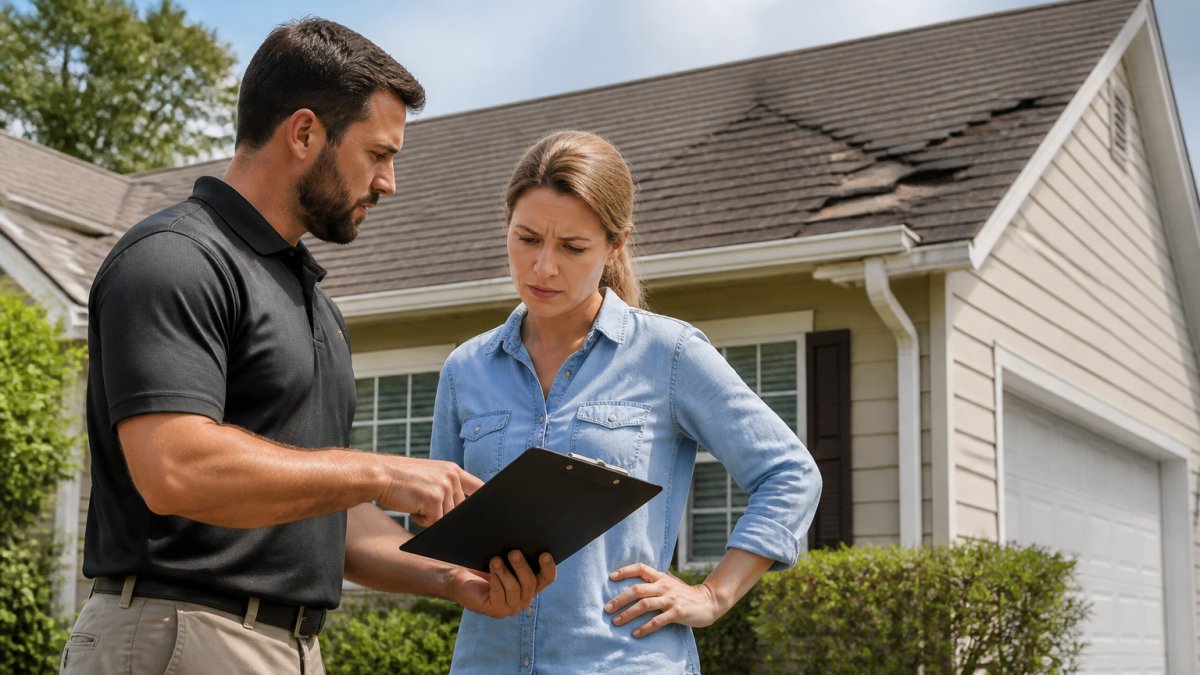
The claim process starts with documentation, not a phone call. Gather your warranty certificate, proof of registration, maintenance records, and dated photos of the damage before you contact anyone. Manufacturers and contractors both evaluate claims on evidence, and a thin file gets denied fast.
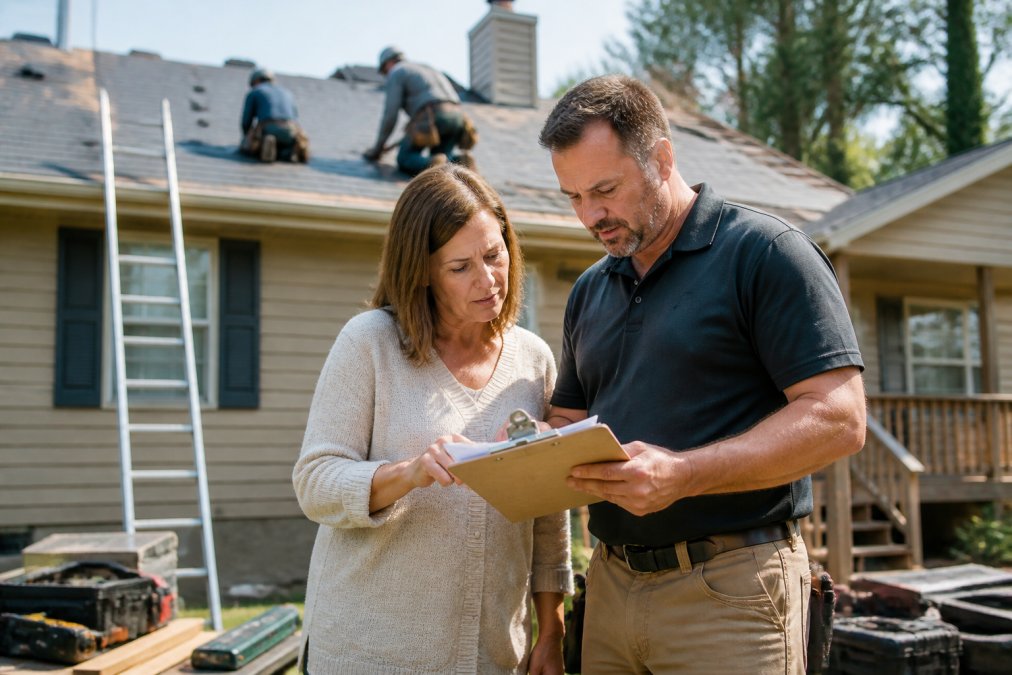
Documentation checklist
Before you file, assemble these items. Missing any one of them is the most common reason a claim stalls:
- The warranty certificate or coverage document, with the registration confirmation number
- Proof of the original installation date and the installing contractor's name
- Receipts for any maintenance, repairs, or inspections performed since installation
- Dated photographs of the damage, taken from ground level and up close
- A written inspection report identifying the cause of failure, not just the symptom
- Your original purchase or closing documents if the warranty transferred with the home
Manufacturer claim vs. workmanship claim
These are two different processes, and filing with the wrong party wastes weeks. A manufacturer claim goes to the company that made the shingles or underlayment, and it is evaluated against the product defect terms. A workmanship claim goes to the contractor who installed the roof, and it is evaluated against their installation guarantee. If you are not sure which applies, a licensed inspection that identifies the cause of failure will tell you which door to knock on.
Step-by-step process
- Document the problem with dated photos and notes on when you first noticed it.
- Locate your warranty documents and confirm what's covered and what isn't.
- Contact the manufacturer or contractor in writing, keeping a copy of every message. Written notice starts the clock on any response window in the warranty terms.
- Schedule an inspection so a licensed professional can assess the cause. A report that names the failure mechanism, not just the leak location, is what moves a claim forward.
- Submit the claim with your records, photos, and the inspection findings.
- Follow up in writing if you don't get a response within the stated timeframe. Most warranty terms specify a review period, and a written follow-up preserves your position if the deadline passes.
What to expect on payout
Most manufacturer warranties are limited and pro-rated, which means the payout shrinks as the roof ages. A roof in year five of a twenty-five-year limited warranty may be reimbursed at a much higher rate than the same roof in year twenty. Non-prorated coverage, where the full value is paid for the entire term, is less common and usually tied to upgraded warranty tiers or specific registration requirements.
Before you sign anything, ask your contractor these questions:
- How long is the workmanship warranty, and what exactly does it cover?
- Is the manufacturer warranty registered, and is it transferable?
- What maintenance is required to keep coverage valid?
- Who handles the claim if something fails, you or me?
- What voids the warranty, in writing?
Frequently Asked Questions
What voids a roof warranty?
Common reasons roof warranties are voided include improper installation, failure to perform required maintenance, using non-approved materials, and neglecting to register the warranty. Storm damage may also void coverage if not addressed promptly. Always keep maintenance records and follow the manufacturer's guidelines to keep your roofing warranty valid.
What is the difference between a manufacturer warranty and a workmanship warranty?
A manufacturer warranty covers material defects in shingles or underlayment, while a workmanship warranty covers installation errors. Manufacturer coverage typically lasts 25 to 50 years, but workmanship terms vary by contractor. Ask for both in writing, and confirm what each one includes before signing.
Does a roofing warranty cover leaks?
Leaks are covered only if they result from a covered defect or installation error. A leak caused by storm damage, poor ventilation, or lack of maintenance may be excluded. Review the exclusions section of your roofing warranty and ask your contractor to explain exactly what leak protection is included.
How long should a roof warranty last?
Manufacturer warranties on asphalt shingles often run 25 to 50 years, while workmanship warranties usually last 5 to 10 years. The length matters less than the coverage terms. A pro-rated warranty may reduce payouts over time, so ask whether coverage is pro-rated or non-pro-rated before you commit.