 how-to
Residential Roofing Services in Volusia County
Table of Contents
- What Residential Roofing Services Include
- Roof Repair vs. Roof Replacement: How to Know Which You Need
- Questions to Ask a Roofing Contractor Before You Hire
- Roofing Materials for Florida Homes: What Works Best
- Roof Replacement Timeline: What to Expect
- Understanding Your Roofing Estimate Checklist
- Why Local Expertise Matters for Your Roofing Project
- Frequently Asked Questions
Last Updated: October 17, 2026
What Residential Roofing Services Include
Residential roofing services encompass the full spectrum of work needed to keep your home's roof in good condition. These services range from routine inspections and minor repairs to complete roof replacements, each addressing different stages of your roof's lifecycle.
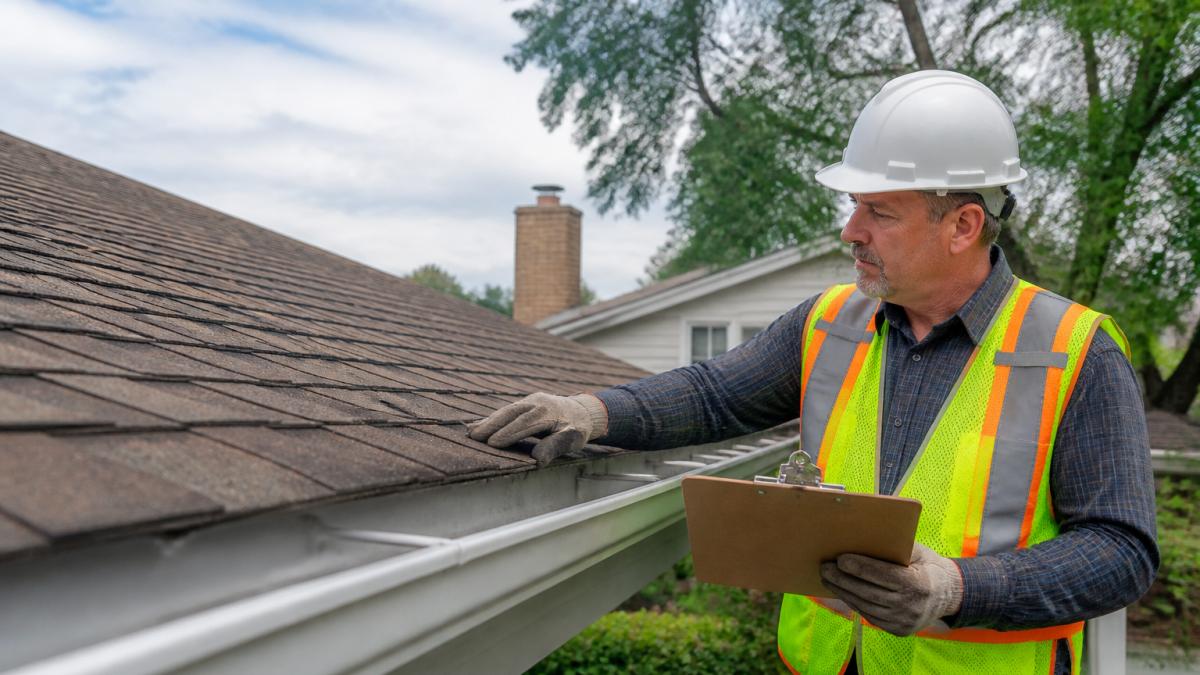
A comprehensive residential roofing services evaluation typically begins with a professional inspection. During this assessment, a licensed contractor examines your roof's condition, identifies damage, and documents findings with photos and notes. This inspection reveals whether you need simple repairs or a full replacement.
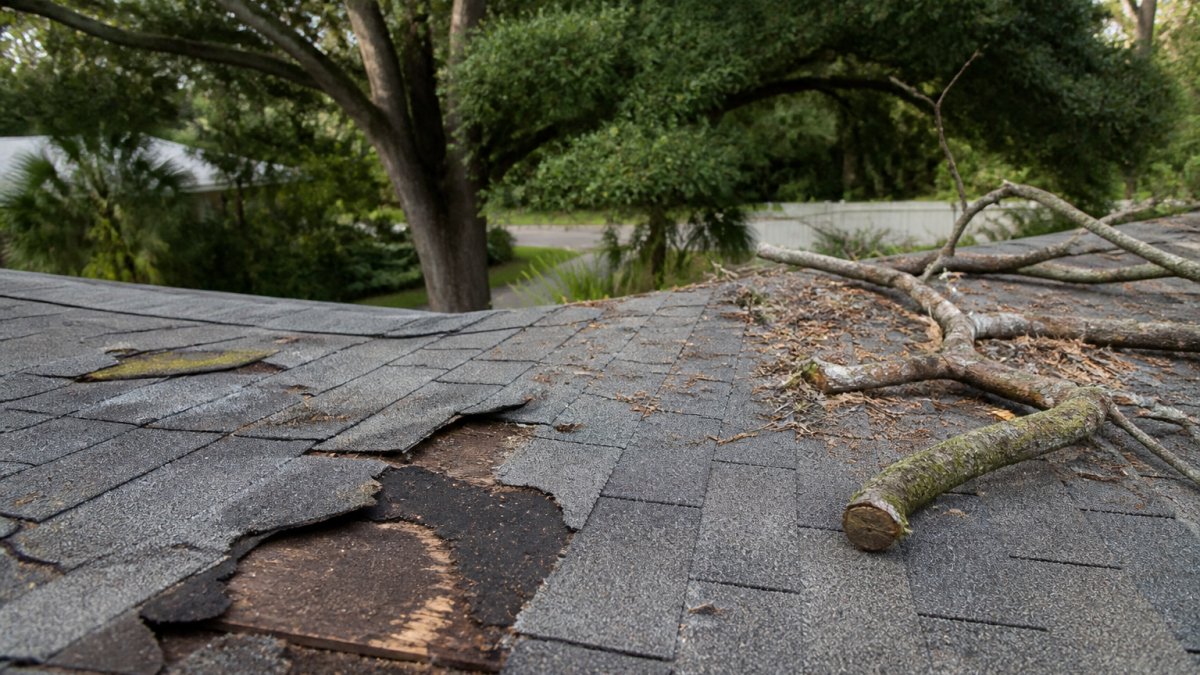
Roof repair services address localized damage: missing or damaged shingles, leaks, flashing issues, and gutter problems. A skilled contractor can often source original shingles to match your existing roof, ensuring seamless repairs that blend with the surrounding material.
Roof replacement becomes necessary when damage is extensive or your roof has reached the end of its lifespan. This involves removing the old roofing material, inspecting the underlying structure, and installing a new roof system. The process requires careful planning, proper cleanup, and attention to detail throughout.
Gutter services are often bundled with roofing work. Gutters channel water away from your home's foundation and walls. Damaged gutters can lead to costly water damage, making their maintenance and repair essential parts of residential roofing services.
Roof Repair vs. Roof Replacement: How to Know Which You Need
Deciding between repair and replacement depends on the extent of damage, your roof's age, and the cost-benefit analysis of each option. The wrong choice can leave you vulnerable to future leaks or waste money on unnecessary work.
Repair makes sense when damage is isolated and your roof still has several years of life remaining. If one section has missing shingles, a localized leak, or damaged flashing, targeted repair work restores function without the expense of full replacement.
Replacement is the right choice when damage is widespread, your roof is nearing the end of its expected lifespan, or repairs would cost nearly as much as replacement. A roof that's 20+ years old, showing signs of deterioration across multiple areas, or suffering from storm damage affecting large sections typically warrants replacement rather than repeated repairs.
Consider the cost perspective: if repairs will run a significant portion of replacement cost, replacement often makes financial sense because you get a new warranty and years of trouble-free performance. A contractor can help you evaluate this trade-off during a professional inspection.
Age is another key factor. Asphalt shingle roofs have an expected lifespan that varies depending on climate and maintenance. If your roof is approaching or past this age, replacement protects your investment in your home and prevents emergency repairs during severe weather.
Questions to Ask a Roofing Contractor Before You Hire
The right contractor makes all the difference in quality, reliability, and peace of mind. Ask these questions to separate experienced professionals from those cutting corners.
First, confirm licensing and insurance. Ask for proof of a current roofing license specific to your state and certificates of insurance covering general liability and workers' compensation.
Second, ask about their experience with your specific roofing type and local conditions. Coastal homes face different challenges than inland properties. Storm damage repair requires different expertise than routine maintenance.
Third, request references from recent jobs. Contact previous customers and ask about their experience: Did the contractor show up on schedule? Was the cleanup thorough? Did they handle unexpected issues professionally? Real customer feedback reveals how a contractor operates day-to-day.
Fourth, ask about their warranty and guarantees. What warranty covers the materials? What about workmanship? How long does it last? A contractor confident in their work stands behind it with solid guarantees.
Fifth, inquire about their process for handling cleanup after a tear-off. Roofing debris and loose nails can damage landscaping and create hazards. Ask specifically how they protect your property and whether thorough cleanup is included in their estimate or costs extra.
Sixth, ask if they work with insurance claims. If you're filing a claim for storm damage, your insurance adjuster may require a licensed contractor's assessment. A contractor experienced with insurance documentation can help simplify the claims process.
Roofing Materials for Florida Homes: What Works Best
Your choice of roofing material affects durability, maintenance needs, appearance, and long-term cost. Florida's heat, humidity, and storm exposure demand materials that can withstand these conditions.
Asphalt shingles remain the most common choice for residential roofing services in Florida. They offer affordability, decent durability, and many colors and styles. Quality architectural shingles offer durability in Florida's climate. They're easier to repair than metal roofing, a contractor can often match your existing shingles for seamless repairs.
Metal roofing is gaining popularity for Florida homes. Metal stands up exceptionally well to salt spray, wind, and UV exposure. It reflects heat, reducing cooling costs. Metal roofs can offer a long lifespan, making them a long-term investment. The initial cost is higher, but the extended lifespan often justifies the expense.
Tile roofing, including clay and concrete, provides excellent durability and a distinctive aesthetic. Tile resists wind, fire, and insect damage. It lasts 50+ years in most climates. The weight requires a strong roof structure, and repairs must match the original tile style.
Composite shingles blend asphalt with other materials for improved durability. They can resist algae growth and offer a longer lifespan than standard asphalt. They cost more than basic asphalt but less than metal or tile.
Consider your home's age, structure, and architectural style when choosing materials. A contractor familiar with residential roofing services in your area can recommend materials that balance performance, appearance, and cost for your specific situation.
Roof Replacement Timeline: What to Expect
Understanding the timeline for roof replacement helps you plan around the work and set realistic expectations with your contractor.
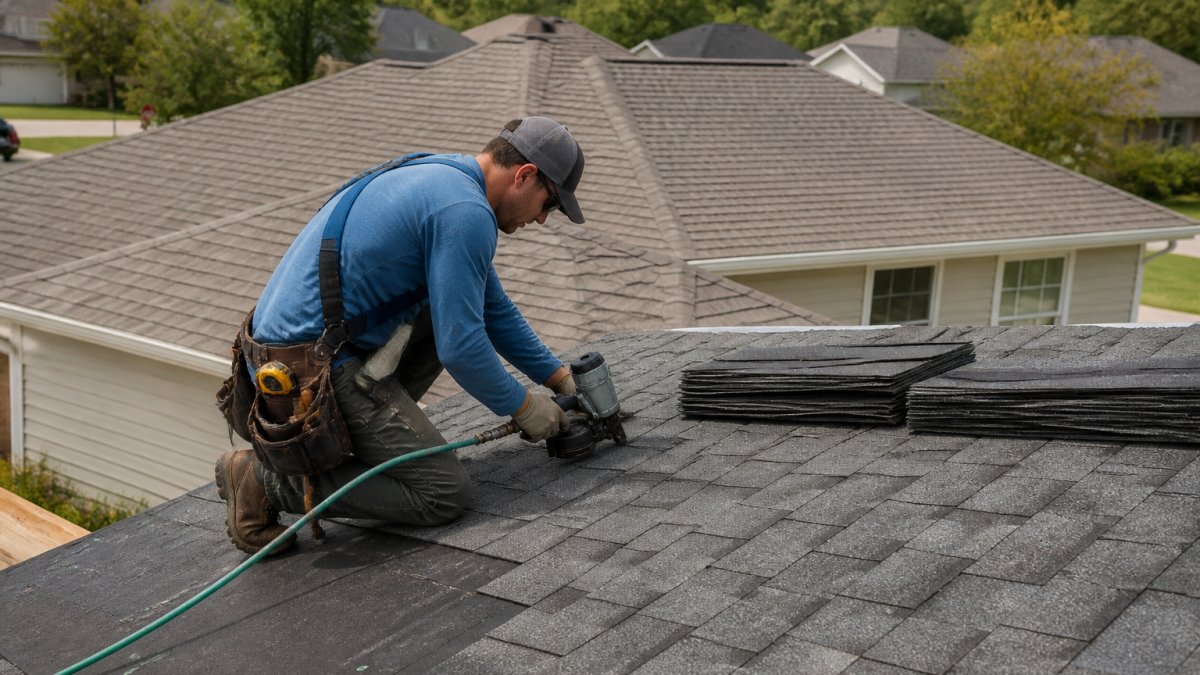
A typical residential roof replacement takes a few days, depending on roof size, complexity, weather, and material choice. Larger homes, complex roof designs, or premium materials like metal or tile may extend the timeline.
Request a Free Roofing Estimate →
The first day involves setting up equipment, protecting landscaping, and removing the old roofing material. This tear-off phase is labor-intensive and generates significant debris. A thorough contractor protects your driveway, walkways, and landscaping during this stage.
Days two and three focus on new installation. The crew installs underlayment, flashing, and new shingles or other material. Weather delays work, heavy rain or high winds can pause progress for safety reasons. A professional contractor won't rush installation in poor conditions.
The final day includes finishing touches, cleanup, and inspection. A quality contractor removes every nail, sweep debris from gutters, and walks your property to ensure nothing was damaged during the work.
Complexity affects timing. If the inspection reveals structural issues requiring repair, that work adds days to the project. Metal roofing installation takes longer than asphalt. Multiple roof levels or unusual angles increase labor time.
Weather is the biggest wildcard. Rain pauses work. High winds make roofing unsafe. A contractor with a clear timeline acknowledges these variables and communicates honestly if weather delays the job.
Understanding Your Roofing Estimate Checklist
A detailed roofing estimate provides transparency and protects both you and the contractor. A thorough estimate includes specific information that lets you compare quotes fairly.
The estimate should specify the roofing material by name and grade. "Asphalt shingles" is vague, the estimate should name the product line and warranty level. Material quality varies significantly, and the estimate should clarify exactly what you're getting.
Labor costs should be itemized by task: tear-off, disposal, underlayment, installation, flashing, gutters, and cleanup. Itemization shows where the contractor's labor is concentrated and helps you understand value.
The scope of work matters enormously. Does the estimate include structural repairs if needed? What about flashing replacement? Gutter work? Cleanup and nail removal? A vague estimate invites surprises when the contractor discovers additional work mid-project.
Permits and inspections should be listed separately if required. Some jurisdictions require roofing permits and final inspections. A professional contractor factors these into the estimate and timeline.
Warranty information must be clear. Material warranties come from the manufacturer. Workmanship warranties come from the contractor. The estimate should specify both: how long each lasts and what they cover.
Timeline and payment schedule belong in the estimate. When does work start? How many days is it expected to take? What's the payment structure, deposit, progress payments, final payment upon completion?
Compare estimates from multiple contractors, but don't choose based on price alone. Compare scope carefully, you're looking for fair value, not the cheapest option.
Why Local Expertise Matters for Your Roofing Project
Hiring a contractor with deep roots in your community brings advantages that larger, regional companies can't match. Local expertise translates to better service, faster response times, and genuine accountability.
A local contractor understands your area's weather patterns and building codes. Florida's coastal regions face salt spray, high winds, and intense sun exposure. Inland areas deal with different challenges.
Local contractors often source materials locally, which means faster availability and better relationships with suppliers. If your roof needs repair and original shingles are required, a local contractor with established supplier relationships can source them quickly.
Building codes and permit requirements vary by jurisdiction. A local contractor knows your area's specific requirements, ensuring your project meets all codes without delays or rework. A contractor unfamiliar with local regulations can miss requirements, leading to inspection failures and costly corrections.
Local contractors build reputations within their communities. They depend on word-of-mouth referrals and customer satisfaction. A contractor operating in a small area has strong incentive to do quality work, poor performance becomes known quickly. This accountability benefits you.
Response time matters during emergencies. A local contractor can often visit quickly after storm damage or when a leak develops. A distant contractor may take days to schedule an emergency visit.
Roofing Done Right serves exclusively within Volusia County, bringing deep local knowledge to every project. We understand the region's weather challenges, building requirements, and customer expectations.
Frequently Asked Questions
How do I know if my roof needs repair or replacement?
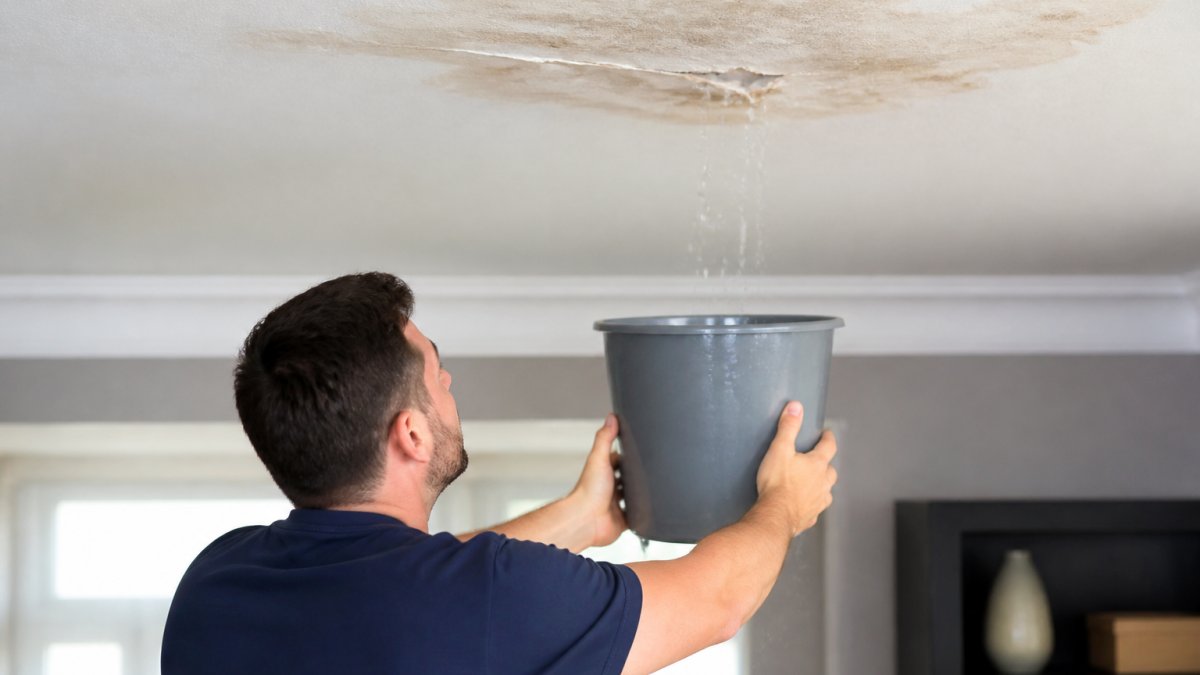
Look for missing or curling shingles, visible leaks inside your home, sagging areas, or granules in your gutters. A roof inspection by a licensed contractor will reveal whether localized repairs can extend your roof's life or if full replacement is more cost-effective. Storm damage, age, and the extent of damage all factor into this decision.
What should I ask a roofing contractor before hiring them?
Ask about their license and insurance, experience with residential roofing in your area, warranty on workmanship, timeline for completion, and how they handle cleanup after the job. Request references from past clients and clarify what's included in their estimate. Understanding their process for protecting your landscaping and property during work is also important.
What roofing materials work best for homes in Florida?
Asphalt shingles are popular for affordability and availability, but metal roofing offers superior wind resistance and durability in coastal areas. Architectural shingles provide better storm protection than standard three-tab shingles. For Florida homes, wind resistance ratings and impact resistance are critical factors. A licensed contractor can recommend materials suited to your home's location and your budget.
How long does a typical roof replacement take?
Most residential roof replacements take a few days, depending on roof size, complexity, and weather conditions. The timeline includes removal of old roofing, inspection of the deck, installation of new materials, and thorough cleanup. Your contractor should provide a realistic schedule upfront and communicate any delays caused by weather or unexpected structural issues.
Choosing the right roofing contractor is one of the most important decisions you'll make as a homeowner. You need someone licensed, experienced, and committed to quality workmanship. When you're ready to move forward with roof repair, replacement, or inspection, get a professional evaluation from a contractor who understands your home and your community. At Roofing Done Right, we provide free roof evaluations and detailed estimates so you can make an informed decision with confidence.