 how-to
Roof Inspection Cost in Volusia: What to Expect
Table of Contents
- Roof Inspection Cost in Volusia: What Homeowners Should Know
- What Is Included in a Roof Inspection
- How Long Does a Roof Inspection Take?
- What to Expect in a Roof Inspection Report
- Roof Repair vs. Roof Replacement: Using Your Inspection to Decide
- How to Evaluate a Roof Inspection Quote
- Conclusion
- Frequently Asked Questions
Last Updated: October 16, 2026
Roof Inspection Cost in Volusia: What Homeowners Should Know
Many Volusia County homeowners ask the same question before booking a roof inspection: what will it actually cost? The honest answer is that roof inspection cost in Volusia depends on your roof, not on a flat rate. Some providers offer free evaluations, while paid inspections vary based on size, material, and the type of inspection you need.
At Roofing Done Right, we serve homeowners and commercial property managers across Volusia County, from Deltona to Daytona Beach. We see how confusing pricing can get when quotes arrive with no detail. This guide breaks down what drives the price, what you get for your money, and how to compare quotes fairly.
The biggest mistake homeowners make is treating all inspections as equal. They are not. A quick visual check and a full report with photos serve very different purposes.
Below, we explain what each inspection type includes and how to judge whether a quote is fair.
Florida Department of Business and Professional Regulation licensing portal
What Is Included in a Roof Inspection
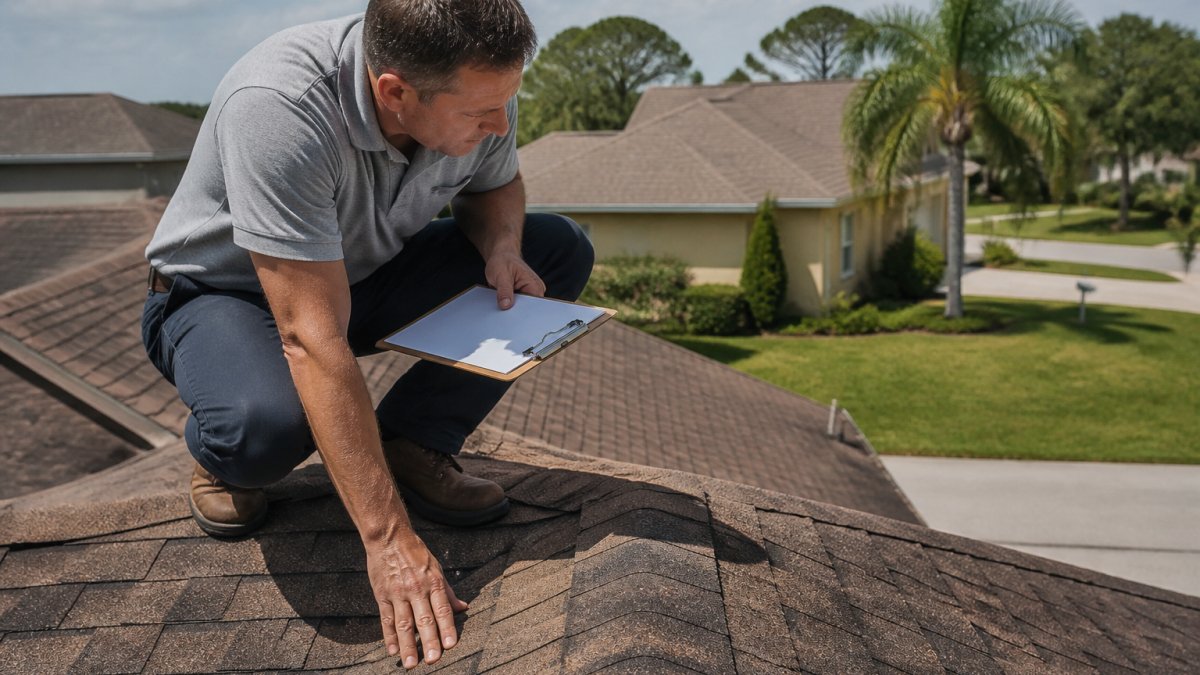
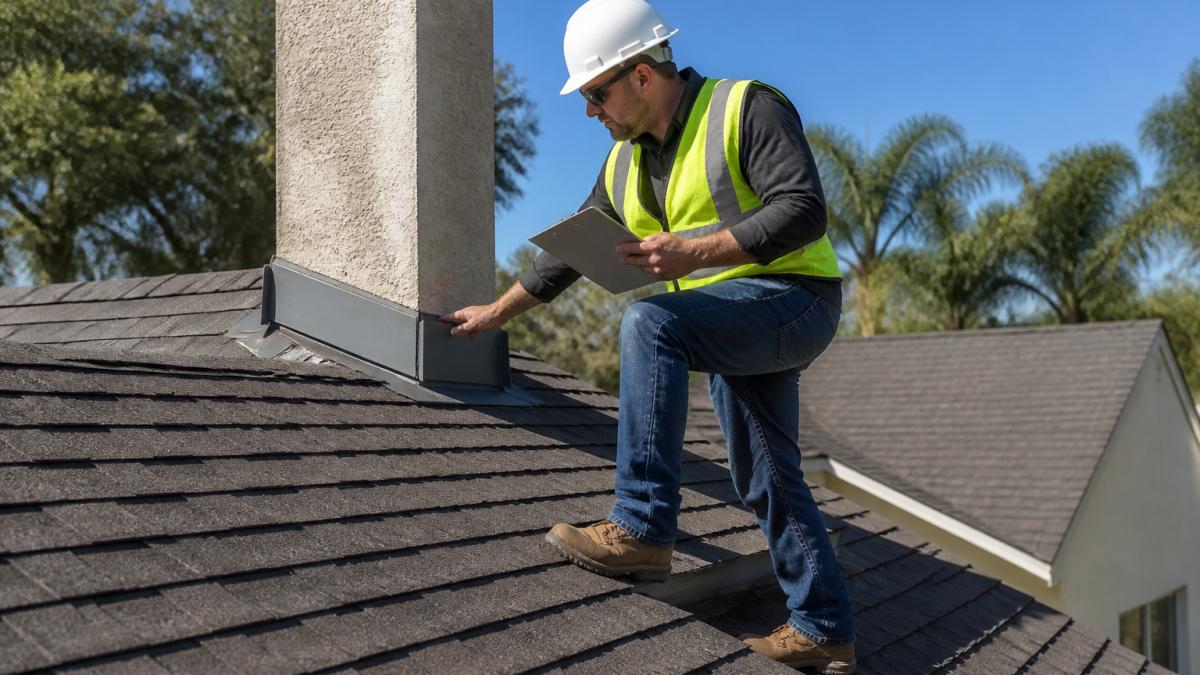
A roof inspection is a documented assessment of your roof's condition, covering materials, structure, and problem areas. What's included varies by provider and by the reason for the inspection. A basic check covers far less than a full report, and the gap between the two is where most homeowner confusion starts.
A thorough inspection usually includes:
- A visual assessment of shingles, tiles, or metal panels
- Checks on flashing, valleys, and penetrations
- A look at underlayment where accessible
- Inspection of gutters, vents, and chimney areas
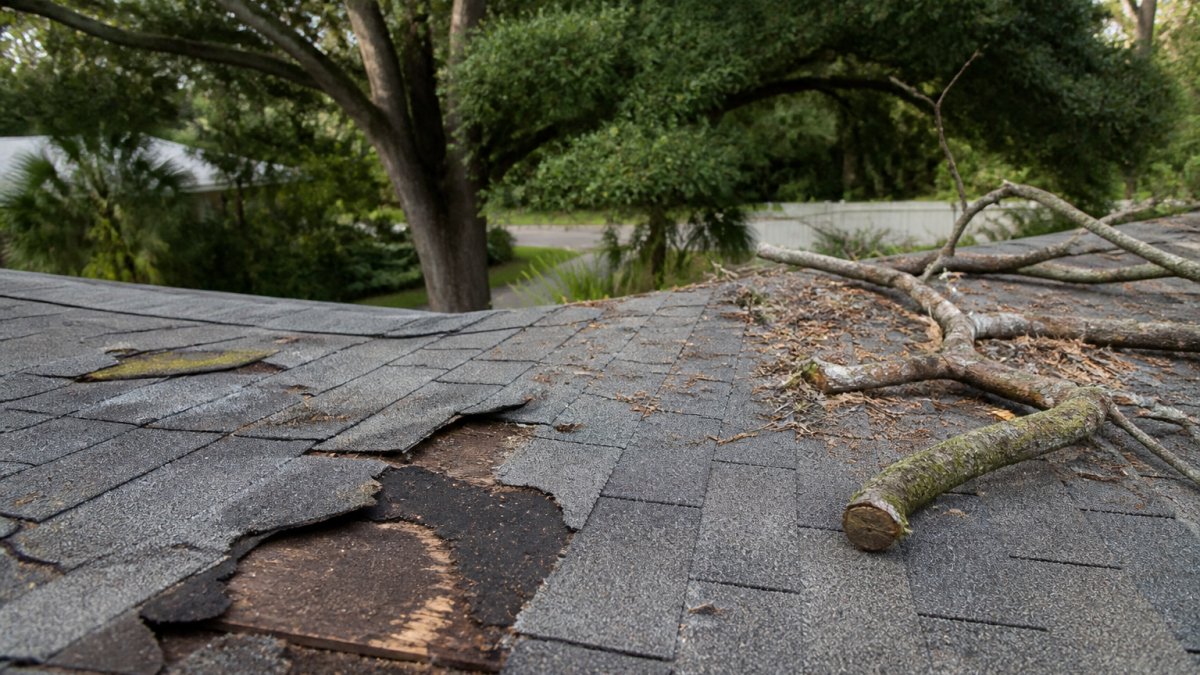
- Photos of any damage or wear
- A written report with repair recommendations
Some inspections also use a drone or infrared camera to reach areas that are hard to see from the ground. Those tools add time and cost.
What separates a useful inspection from a thin one is how the scope matches your purpose. A pre-purchase inspection should document current condition and remaining service life so a buyer can negotiate. An insurance-related inspection should produce dated photos and written findings that support a claim or respond to an underwriter's request. A storm-damage inspection should focus on wind, hail, and water intrusion and note when the damage likely occurred. Each purpose changes which areas get examined and how detailed the report needs to be.
Method matters too. A ground-level visual check is fast and inexpensive but misses low-slope sections, hidden flashing failures, and attic-side evidence of leaks. A physical walk-on inspection reaches more of the roof but depends on safe access and weather. A drone inspection captures overhead imagery without foot traffic, which helps on steep or fragile roofs, but it cannot assess decking or attic conditions. Infrared imaging can reveal moisture and heat anomalies that are invisible to the eye, but it works best when combined with a physical or drone inspection rather than used alone.
A complete report should include dated photos, a description of each problem area, an estimate of remaining roof life, a fix-now versus watch-later list, and repair recommendations with priorities. Ask for the report in writing, not just a verbal summary. A written report protects you if you file a claim or hire another contractor later.
FEMA guidance on documenting storm damage for claims
How Long Does a Roof Inspection Take?
Most roof inspections take between 30 minutes and two hours. A simple visual check on a small, accessible roof moves fast. A full inspection with photos, attic access, and drone footage takes longer.
Several factors affect timing:
- Roof size and complexity
- Roof pitch and how steep it is
- Accessibility, including trees or clutter
- Roof material, since tile and metal take longer to check
- Whether the inspector goes into the attic
Steep roofs and multi-story homes slow the process. So does poor weather, which can push an inspection to another day.
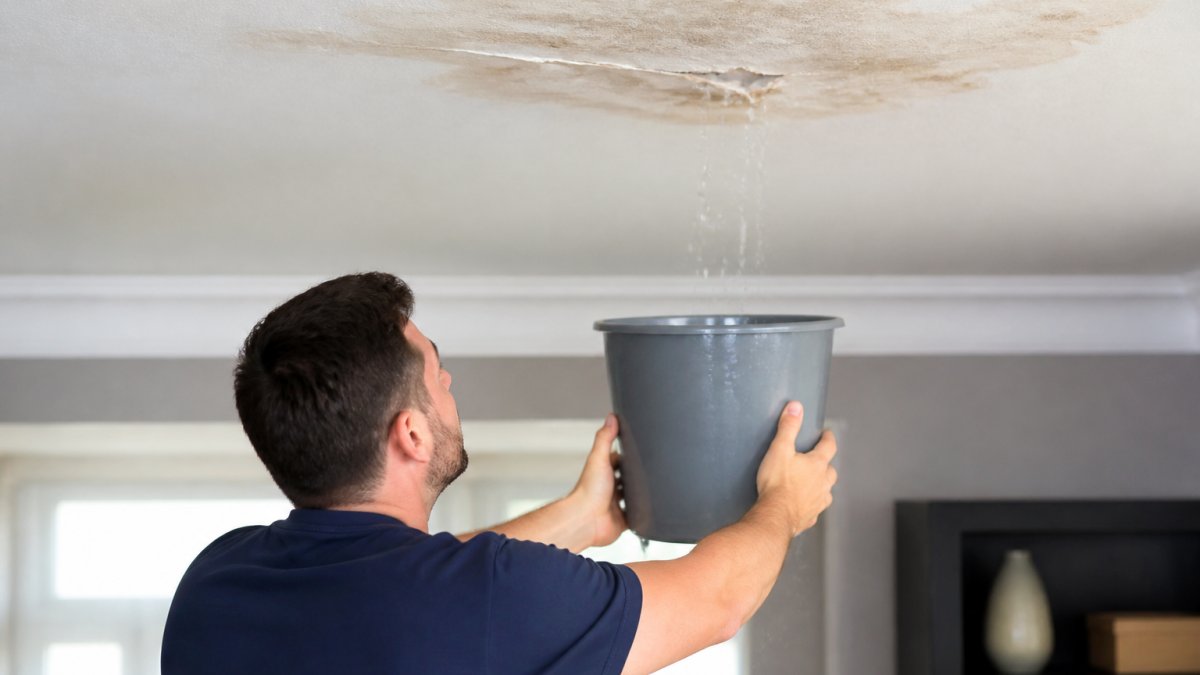
If a provider promises a five-minute inspection, be skeptical. A rushed walk-through often misses small leaks that grow into costly repairs.
What to Expect in a Roof Inspection Report
A roof inspection report is a written record of your roof's condition, backed by photos and notes. The report should tell you what's wrong, where it is, and what to do next.
A solid report includes:
Request a Free Roofing Estimate →
- Clear photos of damage or wear
- A description of each problem area
- An estimate of your roof's remaining life
- A fix-now list versus a watch-later list
- Repair recommendations with priorities
Ask for the report in writing, not just a verbal summary. A written report protects you if you file a claim or hire another contractor later.
FEMA guidance on documenting storm damage for claims
Roof Repair vs. Roof Replacement: Using Your Inspection to Decide
Your inspection should make the repair-versus-replacement call clearer. The right choice depends on roof age, damage extent, and cost balance.
Here's a simple way to think about it:
| Situation | Likely Path | Why |
|---|---|---|
| Minor leaks, one section | Roof repair | Damage is contained |
| Storm damage, isolated area | Roof repair | Insurance may cover it |
| Widespread wear, older roof | Roof replacement | Repairs won't last |
| Multiple leaks, weak structure | Roof replacement | Safety and value |
A common mistake is patching a roof that's near the end of its life. You spend money now and face the same problem in a year.
How to Evaluate a Roof Inspection Quote
The cheapest quote is not always the best value. Evaluate each quote on what it includes, not just the number. A free evaluation and a paid inspection can both be worthwhile, but they are not the same product, and comparing them on price alone leads to bad decisions.
Start by confirming what the provider is actually selling. A free roof evaluation is typically a visual assessment used to generate a repair or replacement estimate. A paid inspection is a documented condition assessment that stands on its own, often with photos, a written report, and findings you can hand to an insurer, a buyer, or another contractor. If you need documentation for a real estate transaction or an insurance request, a free estimate usually will not satisfy that need.
Use this checklist before you decide:
- Credentials: Confirm the provider holds a current state license where required and carries general liability and workers' compensation coverage. You can verify licensing through the Florida Department of Business and Professional Regulation.
- Scope: Ask exactly what will be examined, shingles or panels, flashing, valleys, penetrations, gutters, attic and decking where accessible, and what is excluded.
- Method: Ask whether the inspection is physical, drone-assisted, infrared, or a combination, and whether the report will state which method was used.
- Deliverables: Confirm you will receive a written report with dated photos, a description of each problem area, and repair recommendations with priorities.
- Timeline: Get a firm date for the inspection and a firm date for the report. Verbal summaries delivered days later are hard to act on.
- Fee credit: Ask whether the inspection fee is credited toward repair or replacement work if you hire the same provider. Many contractors apply the fee to the project; some do not.
- Local coverage: Confirm the provider regularly works in your part of the county, since travel and scheduling affect response times.
A fair quote explains all of this in writing before you pay anything. A provider who cannot answer these questions upfront often disappoints later.
At Roofing Done Right, we offer a free roof evaluation and estimate. We're a Volusia County born and bred local business, and we serve residential and commercial clients exclusively here. Our reports are clear, and we protect your landscaping, driveways, and walkways during every job.
National Roofing Contractors Association consumer resources
Conclusion
Getting a fair price on a roof inspection starts with knowing what you're paying for. Compare quotes on scope and detail, not just the bottom line. A clear report today saves you from surprise costs tomorrow.
Roofing Done Right makes that easy. We offer a free roof evaluation, thorough cleanup and nail removal, and the ability to source original shingles for repairs. Our licensed team treats your property with respect from start to finish.
Get a Free Roof Evaluation with Roofing Done Right and get a clear answer on your roof's condition.
Frequently Asked Questions
How much does a roof inspection cost in Volusia County?
Roof inspection cost in Volusia depends on roof size, pitch, accessibility, material, and the type of inspection you need. Many local roofers offer a free roof evaluation and estimate, especially if you may need repairs. Specialized inspections such as drone or infrared can carry a fee. For a clear quote based on your property, contact Roofing Done Right for a free evaluation.
What is included in a professional roof inspection?
A professional roof inspection includes a visual assessment of shingles, tiles, flashing, underlayment, and structural components, plus checks for leaks and storm damage. The inspector documents roof age, material, and condition with photos and video, then provides repair recommendations and a fix-now list in a written roof inspection report. If you are considering a reroof, the inspection may also assess whether a replacement is needed.
Do roof inspectors charge for a written report?
Some roof inspectors include the written report in the inspection fee, while others charge separately. A detailed report with photos, video, and repair recommendations is valuable for insurance claims, pre-purchase inspections, and roof certification. Ask upfront whether the report is included and what it covers. Roofing Done Right provides a free roof evaluation and estimate, so you can request availability and see what is included.
How often should a roof be inspected in Florida?
Florida's climate, with heavy rain, humidity, and storm season, makes annual roof inspections a smart habit. You should also schedule an inspection after any major storm, if you notice leaks or missing shingles, or before buying a home. Regular maintenance inspections help catch small issues before they become costly structural damage. A licensed roofer can advise on the right schedule for your roof age and material.