 how-to
Does a New Roof Increase Home Value?
Last Updated: November 2, 2026
Quick Summary
Yes, a new roof typically increases home value. According to GAF's summary of Remodeling Magazine's 2023 Cost vs. Value report, a roof replacement adds an average of $17,807 in resale value, though the exact amount depends on your home's price, location, and roofing material.
- IKO reports a new roof adds an average of $15,427 in resale value, equal to 68% of the investment.
- A roof replacement usually recoups a larger share of its cost on a lower-priced home.
- A roof certification can reassure buyers without a full replacement when the roof is sound but aging.
- Selling within 90 days usually favors replacement or certification over a targeted repair.
- Permits, transferable warranties, and dated inspection records support your asking position at negotiation.
Table of Contents
- Does a New Roof Increase Home Value?
- Roof Replacement Return on Investment: What the Numbers Say
- Does a New Roof Help Sell a House Faster?
- How Long Does a New Roof Last?
- Roof Repair vs. Replacement: Which Makes More Financial Sense?
- What Factors Affect How Much Value a New Roof Adds?
- Get a Free Roof Evaluation Before You Decide
- Frequently Asked Questions
Does a New Roof Increase Home Value?
Yes, a new roof typically increases home value, and the numbers back it up. According to GAF's summary of Remodeling Magazine's 2023 Cost vs.
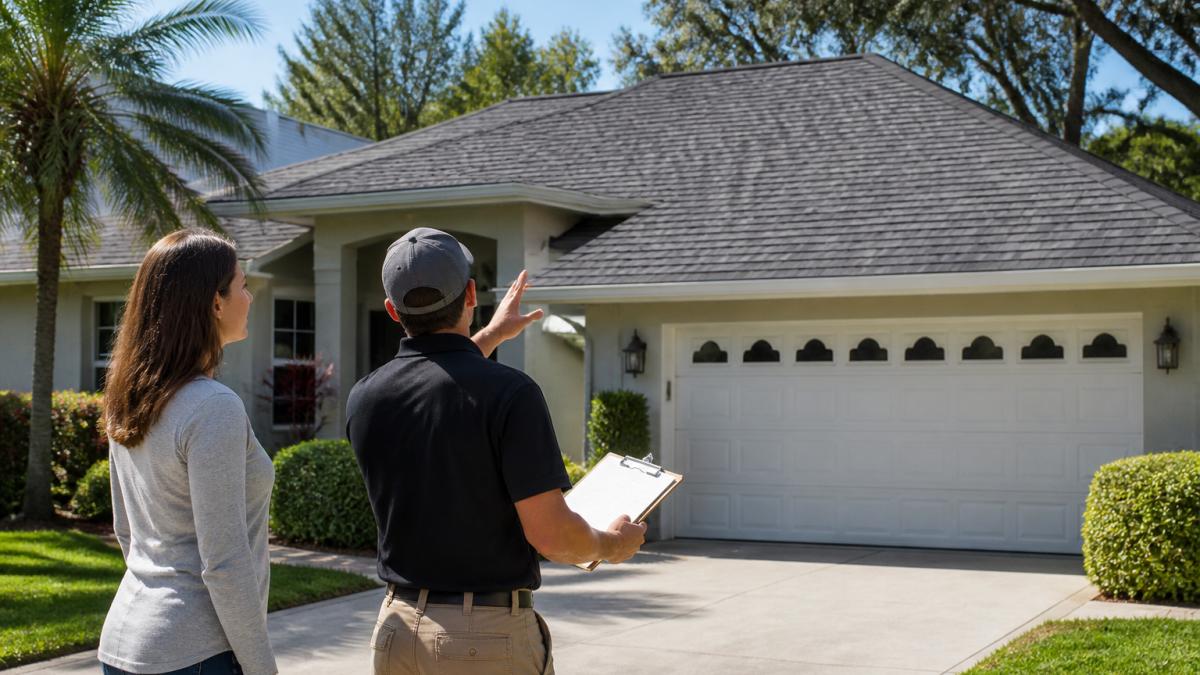
But here is the part most homeowners miss: that figure is an average, not a promise. The value a new roof adds depends on your home's price, its location, and the material you choose.
Below, we break down what the research actually says, how to estimate your own return, and when a repair beats a full replacement.
A new roof is a home improvement that pays back in two ways: it lifts resale value and it removes a major objection before a buyer ever walks through the door.
Roof Replacement Return on Investment: What the Numbers Say
The roof replacement return on investment is rarely 100%, and honest sources say so. IKO reports that a new roof adds an average of $15,427 in resale value, equal to 68% of the investment. GAF's summary of Remodeling Magazine's Cost vs. Value report puts the average resale value added at $17,807. Those figures are useful anchors, but they are national averages, not your number.
So what does that mean in plain terms?
- You spend money on the roof.
- You recover roughly two-thirds of it at resale.
- You keep the rest as protection and peace of mind.
The exact percentage return shifts with your local real estate market and the material you install. A metal roof in a neighborhood of metal roofs recoups differently than asphalt shingles in a starter-home subdivision.
How to Estimate Your Own Return (Instead of Relying on Averages)
A national average tells you what happened across the whole country. A property-specific estimate tells you what will happen at your closing table.
Step 1: Get two or three local replacement quotes. Ask each contractor for a line-item bid that separates tear-off, decking repair, underlayment, material, labor, permits, and disposal. Local labor costs and disposal fees vary widely by market, and a single lump-sum number hides where the money goes.
Step 3: Subtract the costs a new roof helps you avoid. This is the part most ROI articles skip. A new roof often prevents:
- A buyer repair credit or price reduction demanded after the inspection.
- A failed appraisal that forces renegotiation.
- Extended days on market while buyers shop for a contractor of their own.
- Insurance complications if the old roof is damaged after the sale.
Step 4: Factor in timing. If you are selling within a year, the resale value lift and the avoided repair credit dominate the math.
Step 5: Run the net-return formula.
Net return = (estimated resale value added + avoided repair credits + estimated energy savings over your holding period) − (replacement cost + any financing cost)
A worked example: suppose local quotes come in at a mid-range figure, the roof has only a few years of life left, and the inspection report would likely trigger a repair credit request.
Why the Percentage Shifts by Market and Material
Two homes on the same street can see different returns from identical roofs. The variables that move the number most:
- Local labor and disposal costs. Higher-cost markets raise your investment, which lowers the percentage recovered even if the dollar lift is similar.
- Buyer expectations. In neighborhoods where every home has architectural shingles, a builder-grade three-tab roof reads as a discount. In a historic district, the wrong material can hurt value.
- Climate exposure. In hail- and wind-prone areas, buyers and insurers weight roof age and impact resistance more heavily.
- Roof condition at sale. A roof near the end of its life gains the most from replacement; a roof with a decade left gains less.
For a deeper look at how material choice changes both cost and appeal, see our breakdown of roofing material options.
Does a New Roof Help Sell a House Faster?
A new roof can help a house sell faster because it addresses a common buyer concern: an unexpected repair after closing. Buyer confidence matters as much as the dollar figure.
Think about the home inspection. An aging roof shows up in the report, and buyers react in one of three ways:
- They walk away.
- They demand a repair credit.
- They negotiate the sale price down.
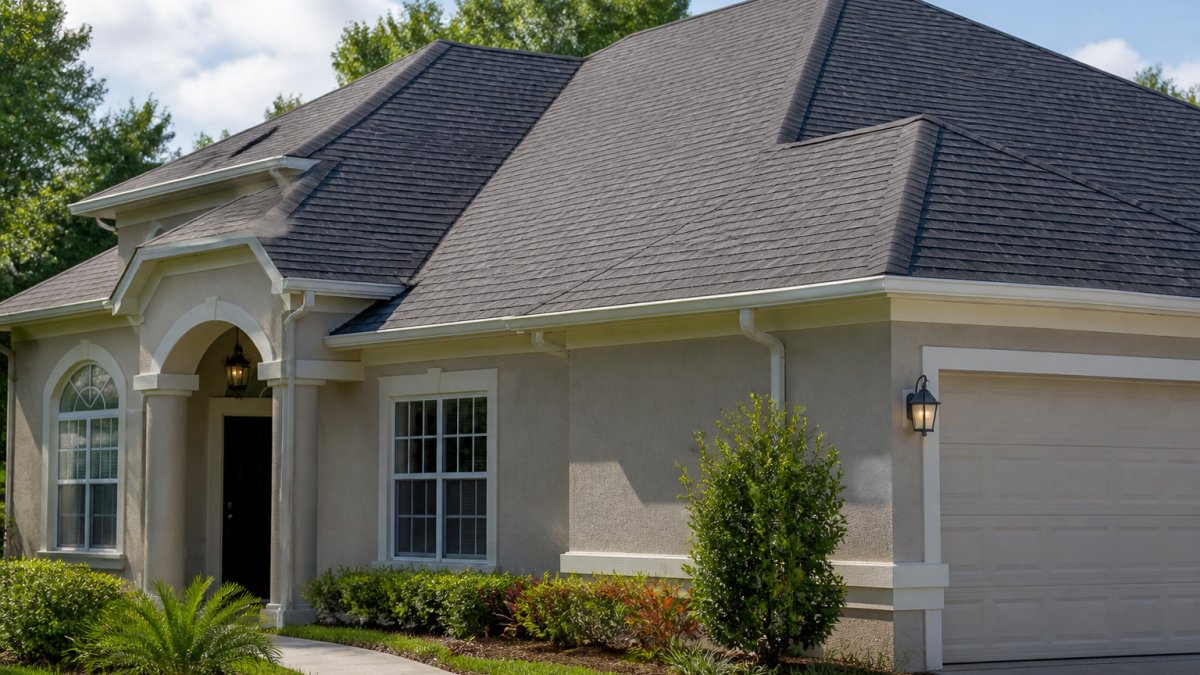
A roof with remaining useful life can ease that concern. A clean, straight roofline also contributes to curb appeal.
Speed of sale and final price are two different wins, and a new roof can help with both.
How Long Does a New Roof Last?
Roof lifespan varies by material, installation quality, and climate. Remaining life matters to buyers, not just the appearance of the shingles.
Request a Free Roofing Estimate →
Here is how common roofing materials compare:
| Material | Typical Lifespan | Value Notes |
|---|---|---|
| Asphalt shingles | 20-30 years | Lowest upfront cost, widely accepted |
| Metal roofing | 40-50 years | Strong durability, higher upfront cost |
| Tile | 30-50 years | Heavy, distinctive curb appeal |
| Wood shakes | 25-30 years | Rustic look, more maintenance |
Roof Repair vs. Replacement: Which Makes More Financial Sense?
Repair can make more financial sense when the damage is isolated and the roof has years of life left. Replacement can be the better choice when the roof is near the end of its lifespan or damage is widespread. Here is a framework you can apply before you list or sell.
The Three Paths, Not Two
Most homeowners frame this as repair versus replace. In a pre-sale context there is a third option that often wins: a roof certification. A certification is a written statement from a licensed roofer confirming the roof's condition and remaining life. It does not fix anything, but it can satisfy a nervous buyer and an insurer without a full replacement.
| Path | Best when | What it costs you at negotiation |
|---|---|---|
| Targeted repair | Damage is isolated, roof has 8+ years of life left, and the repair is documented | Small credit requests if the buyer's inspector flags the patch |
| Roof certification | Roof is sound but aging, and you want to reassure buyers without replacing | Buyer may still request a credit, but the certification supports your position |
| Full replacement | Roof is near end of life, damage is widespread, or the inspection would likely fail | Removes the objection entirely and supports a higher asking position |
A Decision Framework You Can Run in an Afternoon
Work through these criteria in order. The first one that clearly points one way usually decides it.
1. Remaining useful life. Consider how much of the roof's expected lifespan remains.
2. Scope of damage. A single missing shingle, a small flashing leak, or one damaged vent is a repair.
**3.
4. Insurance and claim history. If a prior claim paid for part of the roof, or if the current roof is uninsurable at renewal, replacement may be forced regardless of condition.
5. Sale timeline. Selling within 90 days? The avoided repair credit and faster sale usually favor replacement or certification. Staying several years?
Storm and Hail Damage: Why It Looks Small and Costs More
If you suspect storm damage, a professional roof inspection can help you tell cosmetic issues from structural ones before you decide. Keep the inspection report for your records.
Documentation That Protects Your Position
Whichever path you choose, the paperwork matters at negotiation. Buyers and their agents weigh:
- Permits. A permitted replacement is verifiable; an unpermitted one can trigger questions and delays.
- Invoices and warranties. A transferable manufacturer warranty and a written workmanship warranty add confidence.
- Inspection records. A dated inspection report showing condition and remaining life supports your asking position.
For a deeper side-by-side comparison, our guide on roof repair versus replacement walks through the decision step by step. And if you are choosing a contractor for either path, read how to hire an honest roofer so the work holds up.
What Factors Affect How Much Value a New Roof Adds?
Several factors affect how much value a new roof adds, and no two homes land on the same number. OpenDoor's guidance notes the resale impact depends on the home's price, location, and roofing material.
The main factors to weigh:
- Home price and local market. A roof is a larger percentage of a lower-priced home's value.
- Roofing material. Premium materials can lift resale appeal but cost more upfront.
- Roof condition and age. A roof near the end of its life gains the most from replacement.
- Curb appeal and buyer perception. A tidy roofline reads as a well-kept home.
- Documentation. Permits, warranties, and inspection records support the appraisal and negotiation.
If you are planning a replacement, it pays to know how to hire an honest roofer so the investment holds up.
Get a Free Roof Evaluation Before You Decide
Before you spend a dollar, get a professional roof evaluation. It tells you the roof's condition, its remaining useful life, and whether repair or replacement is the smarter financial move.
At Roofing Done Right, we serve homeowners and businesses exclusively within Volusia County. Our free roof evaluation and estimate gives you a clear picture with no pressure. We protect your landscaping, driveways, and walkways, and we finish with a thorough cleanup and nail removal.
You can see the residential roofing services we offer, or read how the free roof inspection process works before you book.
Frequently Asked Questions
How much does a new roof add to the value of a home?
Estimates vary by source and market. Industry cost-versus-value reports track the resale value that roof replacements add on average, and the impact depends on the home's price, location, and roofing material. Treat these as national reference points, not a guarantee for your property.
Does a new roof affect a home appraisal?
Yes, roof condition is part of what an appraiser reviews. A roof near the end of its useful life can drag down the appraised value or trigger repair conditions, while a recently replaced roof with documentation supports the appraised value. Keep your permits, warranty paperwork, and material specifications on hand. If your roof has storm damage, a licensed contractor's written assessment can also help your insurance adjuster and appraiser see the same facts.
Can roof repairs increase home value, or do I need a full replacement?
Repairs can protect value when the roof is otherwise sound. Fixing an active leak or replacing a few damaged shingles prevents bigger problems and keeps a home inspection from flagging the roof. A full replacement usually makes more sense when the roof is near the end of its lifespan, has widespread damage, or a buyer's lender or insurer requires it. A professional inspection tells you which side of that line you are on before you spend.
Should I replace my roof before selling my house?
It depends on your roof's condition and your local market. A new roof can improve curb appeal and buyer confidence and may help a home sell faster, but you will not always recover the full cost. If your roof is aging or storm-damaged, replacing it removes a negotiating point buyers will use against you. If it has years of life left, a repair and clean documentation may be the better move. Get a free evaluation first so the decision is based on condition, not guesswork.
A new roof is a big decision, and you deserve straight answers about value, lifespan, and cost. Roofing Done Right brings licensed expertise, competitive pricing, and a respectful, local crew to every project. Get started with Roofing Done Right and request your free roof evaluation today.