 blog
Best Roofing Warranty Types for Florida: A Homeowner's Guide
Table of Contents
- Why Roofing Warranties Matter in Florida
- Roofing Workmanship Warranty vs. Manufacturer Warranty: What's the Difference
- Average Length of Roofing Warranty and Coverage Periods
- What Voids Roof Warranties: Common Exclusions and Mistakes
- Types of Roofing Material Warranties and Their Protections
- Understanding Warranty Exclusions and Pro-Rated Coverage
- How to Choose a Qualified Contractor and Protect Your Warranty
- Frequently Asked Questions
Last Updated: October 4, 2026
Why Roofing Warranties Matter in Florida
In Florida, where storms, salt air, and intense sun take a toll on roofs, understanding the best roofing warranty types for Florida protects your investment and can save you thousands in unexpected repairs.
Not all warranties are equal, some cover only manufacturer defects, others protect workmanship, and many have exclusions that leave gaps in coverage.
The difference between a solid warranty and a weak one comes down to understanding what voids coverage and what gets paid when you file a claim.
Roofing Workmanship Warranty vs. Manufacturer Warranty: What's the Difference
A manufacturer warranty covers material defects; the manufacturer pays for replacement materials. A workmanship warranty covers installation errors; your contractor pays for labor to fix improper installation.
Manufacturer Defect Coverage
Manufacturer warranties typically last 20 to 30 years for standard asphalt shingles, but most are prorated after 5 to 10 years, meaning if a shingle fails in year 15, the manufacturer covers only a percentage of replacement cost, not the full amount.
Premium shingles often offer non-prorated coverage, guaranteeing full replacement cost throughout the warranty term.
Installation Standards and Workmanship
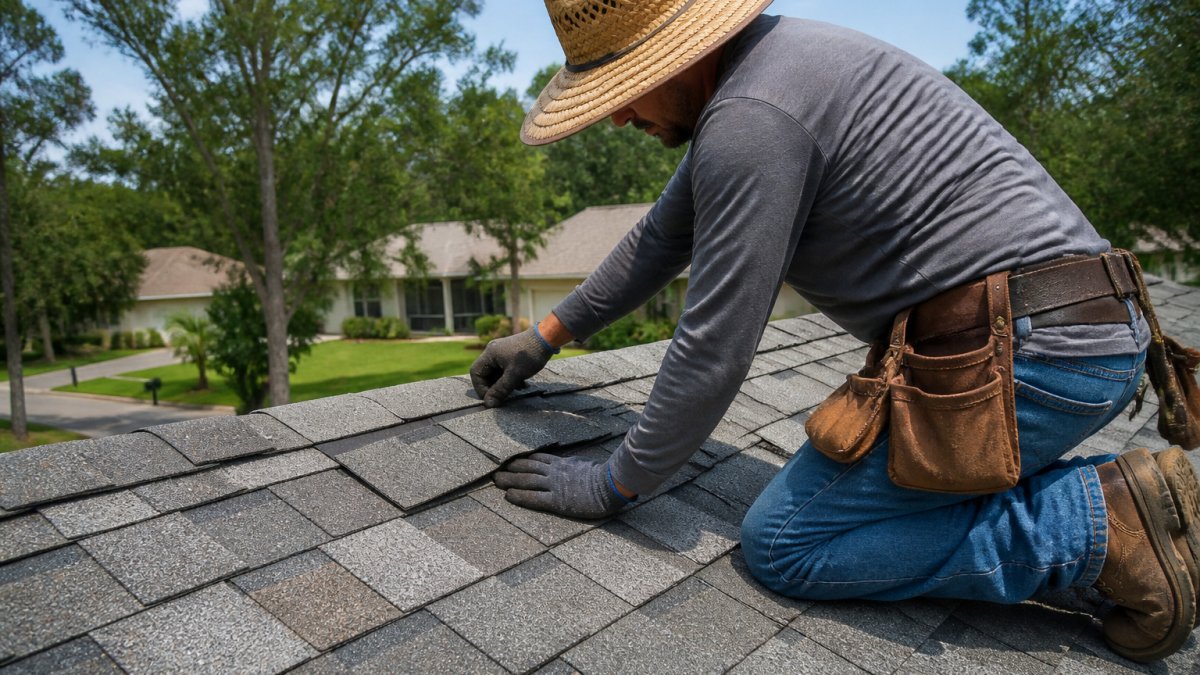
A quality workmanship warranty typically runs 5 to 10 years and covers labor costs for installation errors like improper flashing, inadequate ventilation, or fastener issues. Poor installation can void your manufacturer warranty entirely, so choosing a licensed, qualified contractor is critical.
Average Length of Roofing Warranty and Coverage Periods
Standard asphalt shingles carry 20-30 year warranties; workmanship warranties run 5-10 years. Premium materials like synthetic slate or metal roofing may carry 30-year or lifetime warranties. In Florida's climate, actual roof lifespan is often shorter than the warranty period due to UV exposure, salt air, and storm damage.
What Voids Roof Warranties: Common Exclusions and Mistakes
Understanding what voids your warranty is just as important as knowing what it covers. One mistake can leave you with no coverage at all.
Poor Maintenance and Neglect
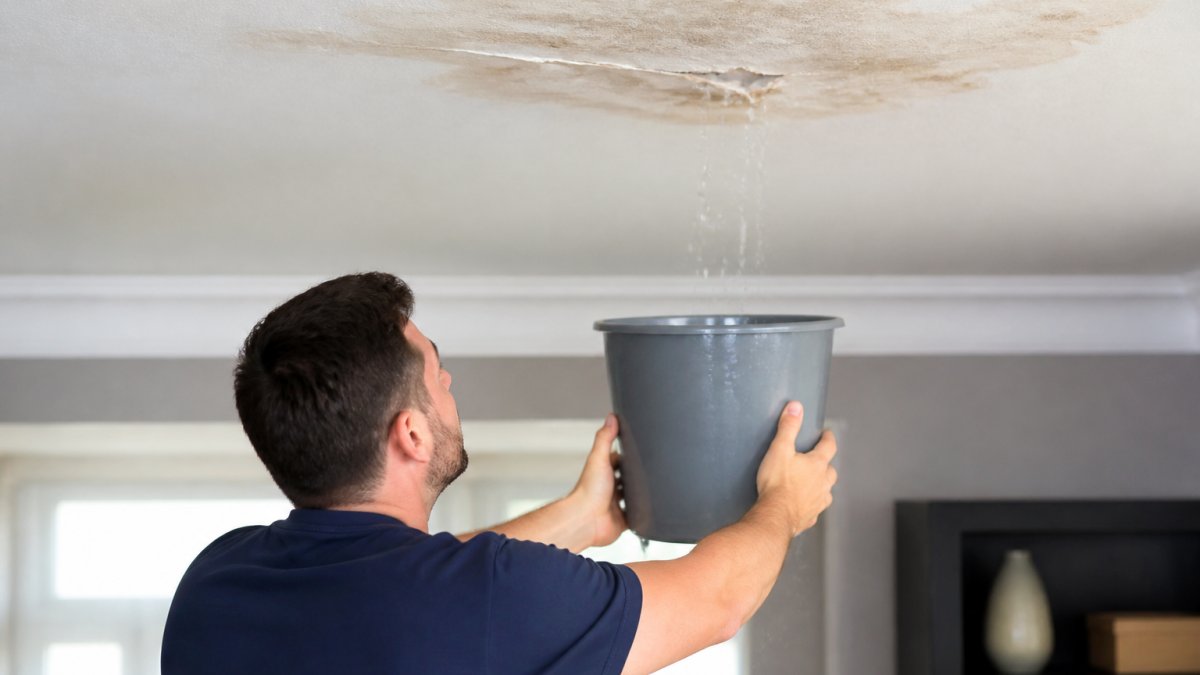
Most warranties require regular maintenance, cleaning gutters, removing debris, and addressing leaks promptly. Moss, algae growth, standing water, or clogged gutters can void coverage. Florida's humidity makes regular inspections and cleaning essential.
Improper Installation and Non-Qualified Contractors
Manufacturer warranties require installation by certified contractors following exact specifications. Cutting corners, using fewer fasteners, skipping underlayment, or improper flashing voids coverage. Choosing a qualified contractor is essential.
Storm Damage and Weather Events
Most warranties exclude storm, hurricane, hail, and extreme weather damage, that's what homeowners insurance covers. Some warranties cover wind damage up to 70-90 mph; check your specific language.
Types of Roofing Material Warranties and Their Protections
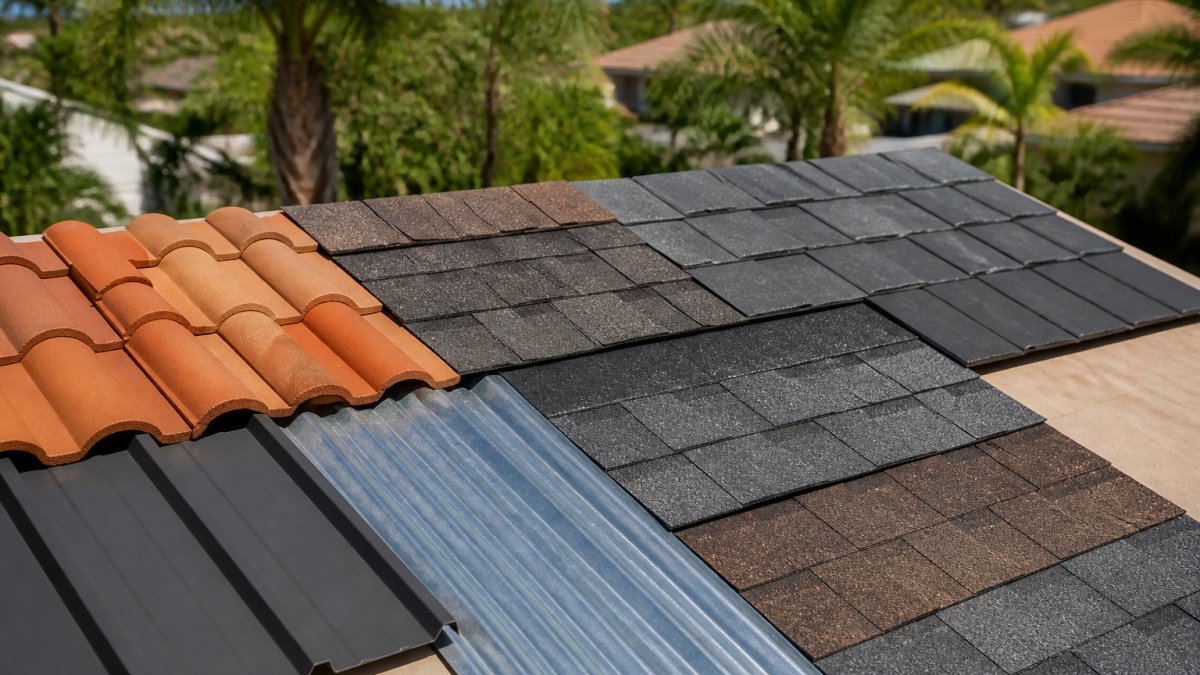
Different roofing materials come with different warranty structures and durability profiles. In Florida, material choice directly affects how long your warranty protection remains valuable, because the climate accelerates wear on some materials more than others.
Asphalt Shingle Warranties and Florida Climate Reality
Standard asphalt shingles carry 20-30 year prorated warranties (coverage decreases over time). Premium architectural shingles offer non-prorated coverage at higher upfront cost. Florida's climate, intense UV, salt air, and humidity, causes significant wear by year 12-15, even with a 20-30 year warranty. Ask contractors: "What is the expected lifespan in Florida's climate?" A warranty period doesn't guarantee service life.
Metal Roofing: Separate Structure and Finish Warranties
Metal roofing has separate structural (30-50 years) and finish (20-30 years) warranties. The finish protects against corrosion and fading, critical in Florida's salty environment. Premium products offer non-prorated finish warranties; budget options are prorated from year 5-7. Metal costs 2-3 times more than asphalt but lasts longer and resists wind (140+ mph ratings). When evaluating metal roofing, ask: "What is the finish warranty, and is it prorated?" This determines how long the protective coating remains effective in Florida's climate.
Synthetic Slate and Premium Material Coverage
Synthetic slate and premium shingles offer 30-year or lifetime non-prorated warranties, costing 50-100% more than asphalt. They resist fading and chalking better and improve curb appeal, but are heavier and require specialized installation. Best for long-term homeowners. When comparing, verify: Is the warranty prorated? Does it transfer to new owners? What is expected lifespan in Florida's climate? Does it cover fading and color loss?
Warranty Coverage Across Material Types: A Comparison Framework
Asphalt shingles: Affordable, prorated warranties, shorter lifespan in Florida. Best for 10-15 year ownership. Metal roofing: Higher cost, excellent wind resistance, separate finish warranty. Best for coastal areas and long-term durability. Synthetic/premium shingles: Highest cost, non-prorated warranties, superior durability. Best for long-term owners. Choose material based on warranty structure and realistic performance in Florida's climate.
Understanding Warranty Exclusions and Pro-Rated Coverage
Not all warranty coverage is equal. The details matter, especially in Florida, where storm damage and material degradation happen faster than in other regions.
Pro-Rated vs. Non-Prorated: The Financial Reality
A non-prorated warranty covers 100% of replacement material costs for the full warranty period. A prorated warranty decreases in value each year based on a depreciation schedule.
Here's how this plays out in dollars:
Example: 20-year prorated asphalt shingle warranty
- Years 1-5: 100% coverage (full material replacement cost)
- Years 6-10: 80% coverage (you pay 20% of material cost)
- Years 11-15: 60% coverage (you pay 40% of material cost)
- Years 16-20: 40% coverage (you pay 60% of material cost)
If a shingle fails in year 12 and replacement materials cost $3,000, a prorated warranty covers only $1,800. You cover $1,200 out of pocket.
Non-prorated warranties are rare and cost more upfront, but they guarantee full replacement cost throughout the warranty term. For homeowners planning to stay long-term, non-prorated coverage eliminates the risk of age-based depreciation.
Proactive maintenance is required under nearly all warranties. Regular inspections, gutter cleaning, debris removal, and prompt repairs are non-negotiable. Neglecting maintenance is the fastest way to void your warranty entirely, regardless of whether it's prorated or non-prorated.
Request a Free Roofing Estimate →
Hurricane and Wind Damage: What's Actually Covered
This is where Florida homeowners face a critical gap in understanding. Most manufacturer warranties explicitly exclude damage from hurricanes, tropical storms, high winds, hail, and other weather events.
However, some warranties include limited wind coverage up to a specific speed threshold, often 70 to 90 mph.
The distinction matters: if a hurricane tears shingles off, that's weather damage (homeowners insurance covers it). If high winds expose a fastening defect that was present before the storm, the workmanship warranty may apply.
Always read the specific wind-speed exclusion in your warranty documents. Ask your contractor: "At what wind speed does this warranty exclude coverage?" This helps you understand what your homeowners insurance must cover versus what the roof warranty protects.
Warranty Registration: The Step Most Homeowners Miss
This is the most overlooked requirement, and it's critical. Many manufacturer warranties become void if not registered within a specific timeframe (typically 30 to 90 days after installation).
Warranty registration typically requires:
- Proof of purchase (invoice from the roofing contractor)
- Proof of installation (photos or contractor documentation)
- Homeowner information (name, address, contact details)
- Submission to the manufacturer's website or by mail
If registration is not completed, the manufacturer can deny claims even if the roof is defective. This is not a gray area, it's a hard requirement.
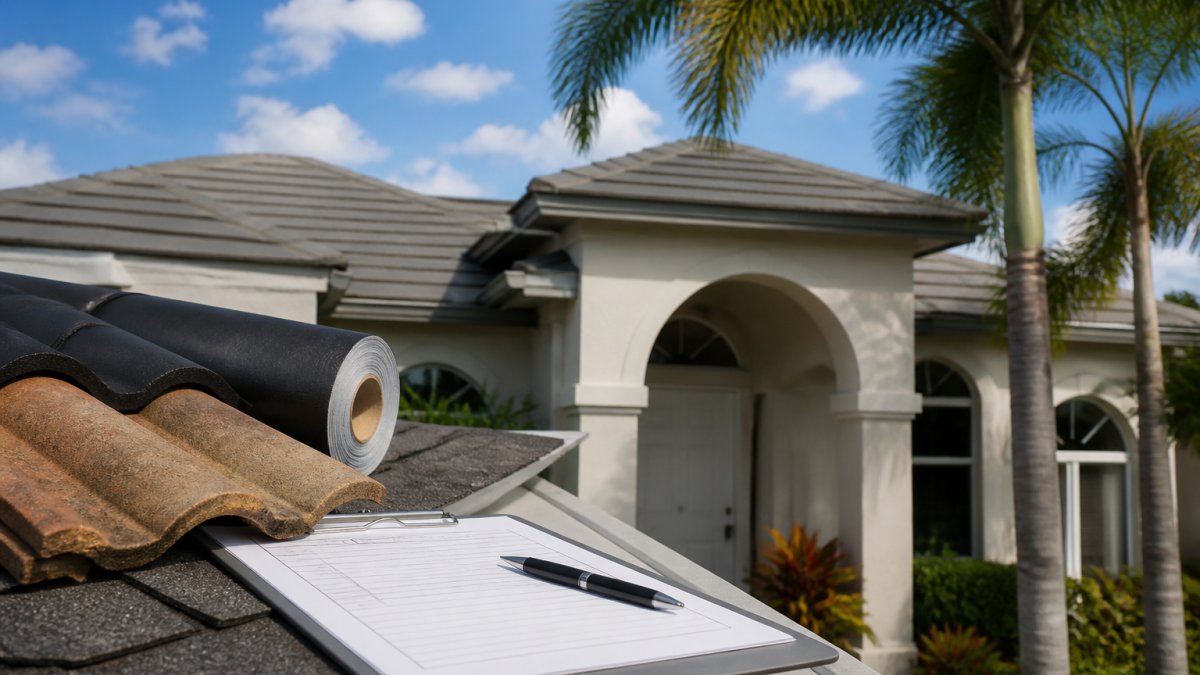
A qualified contractor should handle registration as part of their service. Before work begins, confirm in writing that your contractor will register the roof with the manufacturer and provide you with proof of registration.
If you hire a contractor and they don't register your roof, contact the manufacturer directly. Most will accept late registration if you can provide proof of installation. But don't assume, verify this in writing before the deadline passes.
Transferability of Warranties to New Owners
Some warranties transfer to new owners when you sell your home. Others do not, or transfer at reduced value.
A fully transferable warranty stays with the roof at full value when ownership changes. This can be a selling point and add value to your property. A non-transferable warranty ends when you sell.
If you plan to sell within 5-10 years, transferability matters less. If you're in it for the long haul or expect to sell later, a transferable warranty is a meaningful bonus that can help attract buyers.
Check your warranty documents to confirm transferability terms. Some manufacturers require the new owner to register the transferred warranty. If you're selling your home, disclose warranty transferability to potential buyers, it's a legitimate selling feature.
How to Choose a Qualified Contractor and Protect Your Warranty
Your warranty is only as good as the contractor who installs your roof.
Choosing a qualified contractor is the single best way to protect your warranty. A qualified contractor:
- Holds a current Florida roofing license
- Carries liability insurance and workers' compensation
- Follows manufacturer installation specifications exactly
- Provides written workmanship warranty
- Registers your roof with the manufacturer
- Documents the installation for warranty purposes
At Roofing Done Right, we're Florida licensed and committed to installation standards that protect your warranty. Whether you need Roof Repair, Roof Replacement, or Roof Inspections, we ensure your warranty remains intact and your roof is protected.
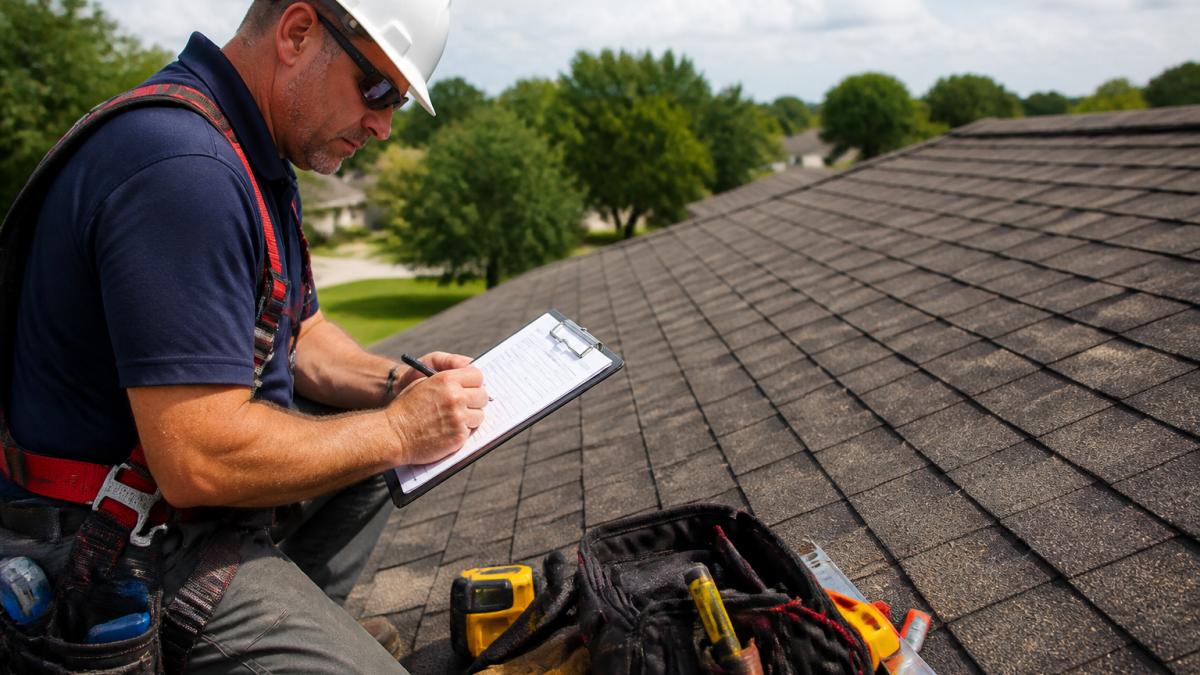
When you get estimates, ask each contractor:
- Are you licensed in Florida?
- Do you register roofs with the manufacturer?
- What workmanship warranty do you provide?
- Can you provide references from recent projects?
- Do you carry insurance?
Verify licensing through the Florida Department of Business and Professional Regulation. Ask for proof of insurance before work begins.
A free roofing estimate from a qualified contractor gives you a clear picture of your roof's condition and what warranty coverage you actually need. This is the foundation of making an informed decision about your roofing investment.
Protecting your roofing investment starts with understanding what your warranty actually covers. Get a free roof evaluation from Roofing Done Right to understand your current coverage and what warranty options make sense for your home.
Frequently Asked Questions
What is the difference between a manufacturer warranty and a workmanship warranty?
A manufacturer warranty covers defects in roofing materials themselves, such as shingle peeling, chalking, or fading due to product flaws. A workmanship warranty covers installation errors and poor craftsmanship. Both are essential for complete protection. Manufacturer warranties typically last 20-30 years, while workmanship warranties vary by contractor but often range from 5-10 years. You need both to ensure your roofing system is fully protected.
What common actions void a roofing warranty?
Warranties are typically voided by neglecting proactive maintenance, failing to address leaks promptly, hiring unqualified or unlicensed contractors, improper ventilation installation, or attempting DIY repairs. Walking on the roof unnecessarily, using pressure washers on shingles, and failing to meet the total roofing system requirements (using incompatible materials) also void coverage. Always follow the manufacturer's maintenance guidelines and use certified installers to protect your warranty.
Are roofing warranties transferable to new homeowners?
Many manufacturer warranties are transferable, but workmanship warranties typically remain with the original homeowner and original property only. Some contractors offer limited transferability with reduced coverage periods. If transferability matters for your property's resale value, discuss this explicitly with your contractor before signing. Get warranty transferability terms in writing as part of your estimate to avoid surprises later.
How long do roofing warranties typically last in Florida?
Manufacturer warranties generally last 20-30 years depending on material type and coverage level. Asphalt shingles often come with 25-year warranties, while premium materials like synthetic slate may offer longer periods. Workmanship warranties typically last 5-10 years but vary by contractor. Non-prorated coverage usually lasts 10-15 years, after which coverage decreases. Always verify the exact coverage period and whether it's prorated or non-prorated before choosing a contractor.