 how-to
How to Hire an Honest Roofer: 7 Steps
Last Updated: October 23, 2026
Quick Summary
To hire honest roofer, verify their license, insurance, and bonding with official records, get at least three detailed written estimates comparing scope and materials, and check references and online reviews from past customers.
- Ask for proof of current license, general liability insurance, and workers' compensation coverage directly from the insurance company.
- Request at least three written estimates that detail scope of work, materials by brand, labor and material costs separately, timeline, and warranty.
- Call at least three references and ask about punctuality, professionalism, cleanup, issue handling, and warranty fulfillment.
- Watch for red flags like pressure to pay immediately, full upfront payment demands, vague estimates, or reluctance to provide credentials.
- Review the contract carefully to confirm scope of work, materials, payment schedule, warranty coverage, and cleanup responsibilities before signing.
Table of Contents
- Step 1: Verify License, Insurance, and Bonding
- Step 2: Ask the Right Questions to Ask a Roofing Contractor
- Step 3: Get Multiple Written Estimates and Scope of Work
- Step 4: Learn How to Compare Roofing Estimates
- Step 5: Spot Roofing Contractor Red Flags
- Step 6: Review References, Past Work, and Online Feedback
- Step 7: Understand What to Look for in a Roofing Contract
- Frequently Asked Questions
Step 1: Verify License, Insurance, and Bonding
Before you hire honest roofer, confirm they hold the proper credentials. This is your first line of defense against unlicensed contractors and uninsured work that could leave you liable.
Start by asking for proof of a current license. Request the license number and verify it directly with your state's licensing board or construction regulatory agency. Do not accept a verbal confirmation or a photocopy alone, check the official records yourself.
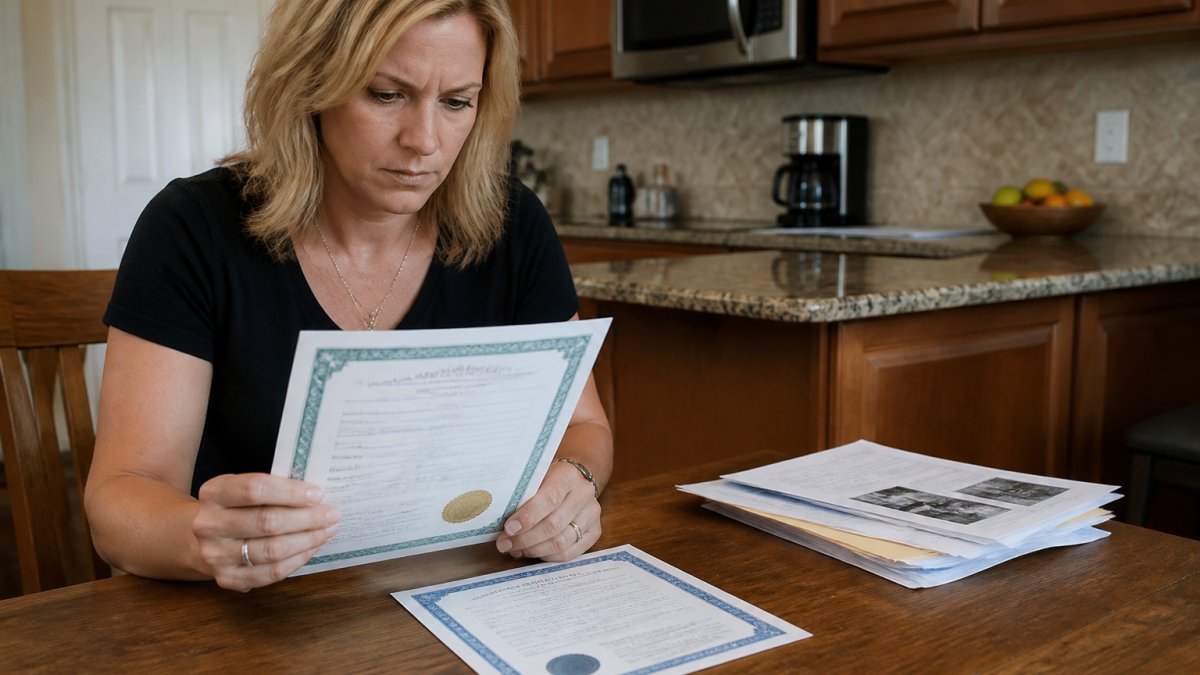
Next, ask for a certificate of insurance. A legitimate roofer carries general liability insurance and workers' compensation coverage. General liability protects your property if the contractor damages your home or landscaping. Workers' compensation covers injuries to crew members on your job.
Ask if the roofer is bonded. A bond is a financial guarantee that the contractor will complete the job and follow local building codes. If something goes wrong, the bond protects you.
What to ask:
- "Can you provide your current license number and proof of insurance?"
- "Are you bonded for work in this area?"
- "Can I contact your insurance company to verify coverage?"
Taking these steps upfront saves you from costly problems later.
Step 2: Ask the Right Questions to Ask a Roofing Contractor
The questions you ask reveal whether a roofer is honest and professional. Good questions uncover their experience, process, and communication style.
Start with their background. Ask how long they've been in business and how many roofs they've completed. A roofer with years of local experience understands regional weather challenges and building codes. Ask for references from recent jobs, not just one or two, but at least three from the past year.
Ask about their process. How will they protect your landscaping and driveway during the job? Will they remove all nails and debris when finished? An honest roofer has a clear cleanup plan and takes pride in leaving your property in good condition.
Ask about the timeline. How long will the job take? When can they start? What happens if weather delays the work? A reliable contractor gives you a realistic schedule and explains how delays are handled.
Key questions to ask:
- "How many years have you been roofing, and how many jobs like mine have you completed?"
- "What's your cleanup process after the job is done?"
- "How do you handle problems discovered during the work?"
- "What's your warranty on materials and workmanship?"
- "Do you work with insurance claims?"
Questions about insurance claims matter if you're filing a claim. Ask if they've worked with insurance adjusters before and whether they can document damage properly for your claim.
Step 3: Get Multiple Written Estimates and Scope of Work
Never hire honest roofer based on a verbal estimate. Get at least three written estimates from different contractors. This gives you a clear picture of what the work includes and costs.
Each estimate should detail the scope of work. This means listing every task: roof inspection, tear-off of old shingles, repair of damaged decking, installation of new materials, cleanup, and any other work. The scope should specify the materials being used, shingle type, underlayment, flashing, nails, and anything else that goes on your roof.
A solid written estimate includes:
- Detailed description of all work
- Materials to be used (brand and type)
- Labor costs and material costs listed separately
- Timeline for completion
- Payment schedule and terms
- Warranty details
- Contractor's license number and insurance information
When you have multiple estimates, you can compare apples to apples. Look for estimates that are similar in scope and price. If one estimate is much lower than others, ask why. It may mean lower-quality materials, less experienced crew, or shortcuts in the work.
| Estimate Item | What to Look For | Red Flag |
|---|---|---|
| Scope of Work | Detailed, specific tasks listed | Vague or incomplete description |
| Materials | Brand names and types specified | "Standard materials" with no details |
| Labor & Materials | Costs broken down separately | Single lump sum with no breakdown |
| Timeline | Specific start and end dates | "We'll call you when we're ready" |
| Payment Terms | Clear schedule (e.g., 50% down, 50% on completion) | Full payment upfront or unusual terms |
| Warranty | Specific coverage and duration | No warranty or "as-is" work |
Step 4: Learn How to Compare Roofing Estimates
Comparing estimates takes more than looking at the bottom line number. You need to understand what each contractor is offering and why prices differ.
Start by reviewing the scope of work side by side. Are all three estimates addressing the same issues? If one contractor recommends additional work, like repairing decking or replacing flashing, ask why.
Look at the materials. Are they using the same shingle brand and grade? The same underlayment? Differences in materials explain price differences. A higher-grade shingle costs more but lasts longer. Better underlayment offers more protection.
Check the labor approach. Some roofers charge by the square (100 square feet of roof). Others charge by the day or by the job.
Ask about warranties. One contractor might offer a 10-year warranty on workmanship while another offers 25 years. Understand what's covered, does it include labor repairs, or just material defects? A longer warranty with better coverage is worth paying more for.
How to compare:
- Line up estimates side by side
- Confirm all three address the same scope of work
- Note material differences and their impact on cost
- Compare warranty terms and duration
- Ask about crew size and timeline
- Check references from each contractor
When you understand the differences, you can make an informed choice instead of just picking the lowest price.
Step 5: Spot Roofing Contractor Red Flags
Certain behaviors and practices signal an unreliable or dishonest roofer. Watch for these warning signs.
Request a Free Roofing Estimate →
A contractor who pressures you to decide immediately is a red flag. Honest roofers understand you need time to review estimates and make a decision.
Avoid contractors who want full payment upfront. A standard payment schedule is partial payment (usually 50%) at the start and the balance on completion. If a contractor demands all the money before work begins, you have no use if something goes wrong.
Be cautious of contractors without a physical address or website. A legitimate business has a real location, phone number, and online presence. If you can't find them easily or their information keeps changing, that's a warning.
Watch for vague or incomplete estimates. If the estimate doesn't detail what's included, doesn't specify materials, or doesn't break down costs, you don't know what you're paying for. Honest roofers provide clear, detailed estimates.
Red flags to watch for:
- Pressure to sign and pay immediately
- Demand for full payment upfront
- No written estimate or contract
- Unwilling to provide references
- No license, insurance, or bonding information
- Vague description of work or materials
- Significantly lower price than competitors
- Reluctance to answer your questions
- No physical address or phone number
If a contractor shows any of these signs, find someone else. There are plenty of honest roofers who will treat you fairly.
Step 6: Review References, Past Work, and Online Feedback
References and online reviews give you insight into how a roofer actually works. Take time to check them thoroughly.
Call the references the contractor provides. Ask specific questions: Did the roofer show up on time? Was the crew professional and respectful? How was the cleanup? Did any issues arise during the job, and how were they handled?
Ask the references if you can see photos of completed work. A roofer with quality work will have examples to show. If they're reluctant to share photos or references, that's a concern.
Check online reviews on Google, the Better Business Bureau, and other platforms. Look for patterns. One negative review might be an unhappy customer, but multiple complaints about the same issue, poor cleanup, missed deadlines, warranty disputes, suggest a real problem.
Visit past job sites if possible. Seeing completed roofs gives you confidence in the quality. A roofer who has nothing to hide will welcome this.
Look at the contractor's website and social media. Do they post regularly? Do they respond to comments and messages? A professional presence suggests a serious business.
How to verify:
- Call at least three references
- Ask specific questions about their experience
- Request photos of past work
- Check Google reviews and Better Business Bureau
- Visit past job sites if possible
- Review the contractor's website and social media
- Look for patterns in feedback, both positive and negative
Step 7: Understand What to Look for in a Roofing Contract
A solid contract protects both you and the roofer. Review it carefully before signing.
The contract should include the scope of work, the same detailed description from the estimate. It should specify materials by brand and type.
Look for warranty language. The contract should specify what's covered, how long coverage lasts, and how to file a warranty claim.
The contract should include insurance and licensing information. This confirms the contractor has the proper credentials and coverage.
Look for a cleanup clause. The contract should state that the roofer will remove all debris, nails, and old materials from your property. If cleanup is an extra charge, that should be stated upfront.
Ask about change orders. If unexpected work arises during the job, how will it be handled? The contract should say that any changes must be approved in writing and added to the cost. This prevents surprise charges.
Contract essentials:
- Detailed scope of work matching the estimate
- Materials specified by brand and type
- Start and end dates
- Payment schedule and total cost
- Warranty coverage and duration
- Contractor's license and insurance information
- Cleanup responsibilities
- Change order process
- Dispute resolution process
Never sign a contract you don't fully understand. Ask the roofer to explain anything unclear. A good contractor will take time to walk you through the agreement.
Hiring an honest roofer takes effort, but it protects your home and your wallet. If you're unsure about the condition of your roof or want a professional assessment before moving forward, a Roof Inspections can give you clarity on what work is truly needed. If you're ready to move forward with a Free Roofing Estimate, we're here to help you see the difference that local expertise and respect make.
Frequently Asked Questions
What questions should you ask before hiring a roofer?
Ask about their license number and how long they've been in business. Request proof of insurance and bonding. Inquire about their warranty on workmanship and materials, their typical project timeline, and whether they handle cleanup after the job. Ask if they work directly with insurance companies for claim assessments. Request references from recent projects similar to yours. These questions reveal whether a roofer operates professionally and stands behind their work.
How do you verify a roofing contractor's license and insurance?
Contact your state's licensing board directly, do not rely solely on what the contractor tells you. Ask for a certificate of insurance and verify it's current by calling their insurance provider. Request a copy of their bonding certificate. A legitimate roofer will provide these documents without hesitation. Honest contractors understand that verification protects both parties and builds trust from the start.
What should a roofing estimate include?
A complete estimate lists the scope of work, specific materials (brand and grade of shingles, underlayment, flashing), labor costs, the total price, payment terms, project start and end dates, and warranty details. It should specify whether the price is fixed or an estimate, and whether cleanup and disposal are included. A detailed estimate shows the roofer has inspected your roof thoroughly and understands exactly what the job requires.
How can you spot a dishonest roofer?
Red flags include pressure to pay a large deposit upfront, reluctance to provide references or proof of licensing, vague estimates without itemized details, unsolicited door-to-door sales after storms, and unwillingness to explain their findings or answer questions. An honest roofer communicates clearly, provides written documentation, respects your timeline for decision-making, and welcomes your questions about materials, labor, and warranty.