 how-to
How to Schedule Emergency Roof Repair: A Step-by-Step Guide
Table of Contents
- What to Do If Your Roof Is Leaking: Immediate Triage Steps
- Taking Roof Damage Photos: Documentation for Your Claim and Contractor
- How to Schedule Emergency Roof Repair: Finding and Contacting a Licensed Contractor
- What to Tell a Roofer About Roof Damage: Information That Speeds Up Response
- Emergency Roof Repair Response Time: What to Expect
- Insurance Claim Documentation: Working with Your Adjuster and Contractor
- Roof Inspection and Assessment: What Happens During the Free Estimate
- Frequently Asked Questions
Last Updated: October 9, 2026
What to Do If Your Roof Is Leaking: Immediate Triage Steps
A roof leak demands quick action. The first few hours determine whether you're dealing with a contained problem or a spreading disaster.
Your immediate goal is simple: stop water from reaching your home's interior. This isn't about fixing the roof. It's about buying time until a licensed contractor can assess the damage and schedule emergency roof repair.
Contain the Water Damage Inside
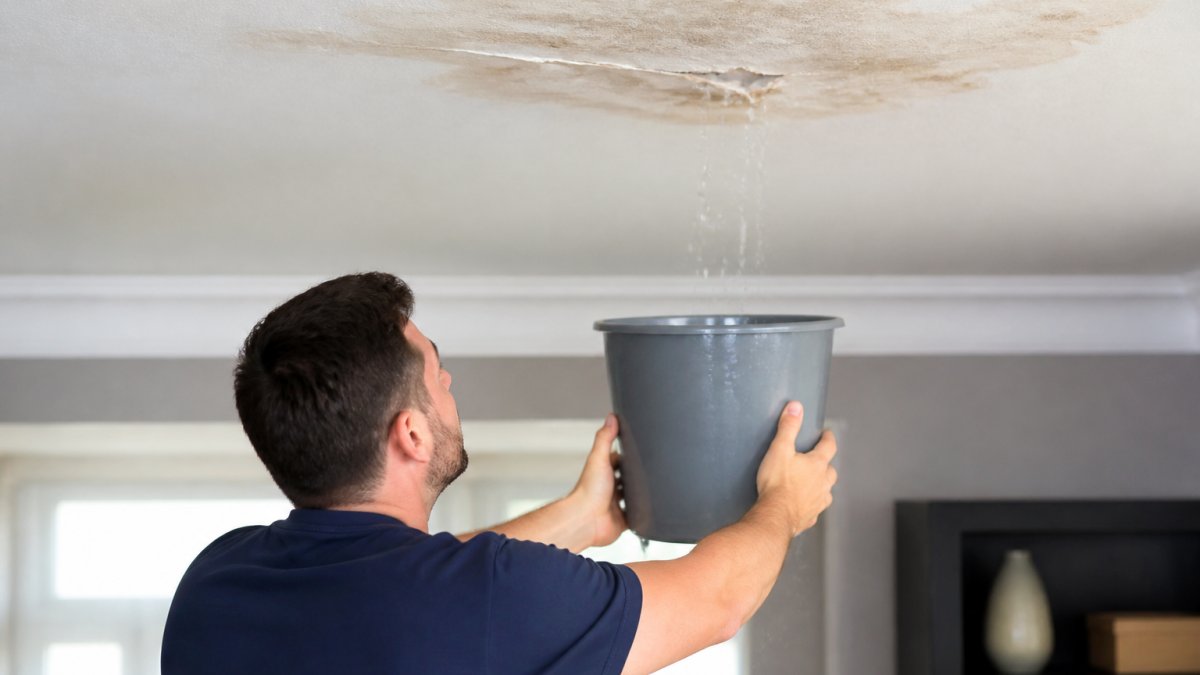
Move furniture, electronics, and personal items away from the leak. Place buckets under active drips to prevent water from spreading across floors and soaking into walls.
Open windows or turn on fans. Wet drywall and insulation can develop mold within 24-48 hours, and airflow slows that process.
If the leak is severe, use a wet/dry vacuum to extract standing water. Active removal prevents structural damage and mold growth.
Document the Damage with Photos
Take photos before you do anything else: the water damage, ceiling stains, visible roof damage, and overall room condition. These images become critical evidence for your insurance claim.
Capture wide shots showing room context and close-ups of the damage. Insurance adjusters and contractors both need clear documentation.
Write down the date and time you first noticed the leak. Note what weather preceded it, heavy rain, high winds, hail. This timeline helps your adjuster understand what triggered the damage.
Taking Roof Damage Photos: Documentation for Your Claim and Contractor
When you schedule emergency roof repair, you'll need photos that tell the story. Clear documentation accelerates both the claims process and the repair timeline.
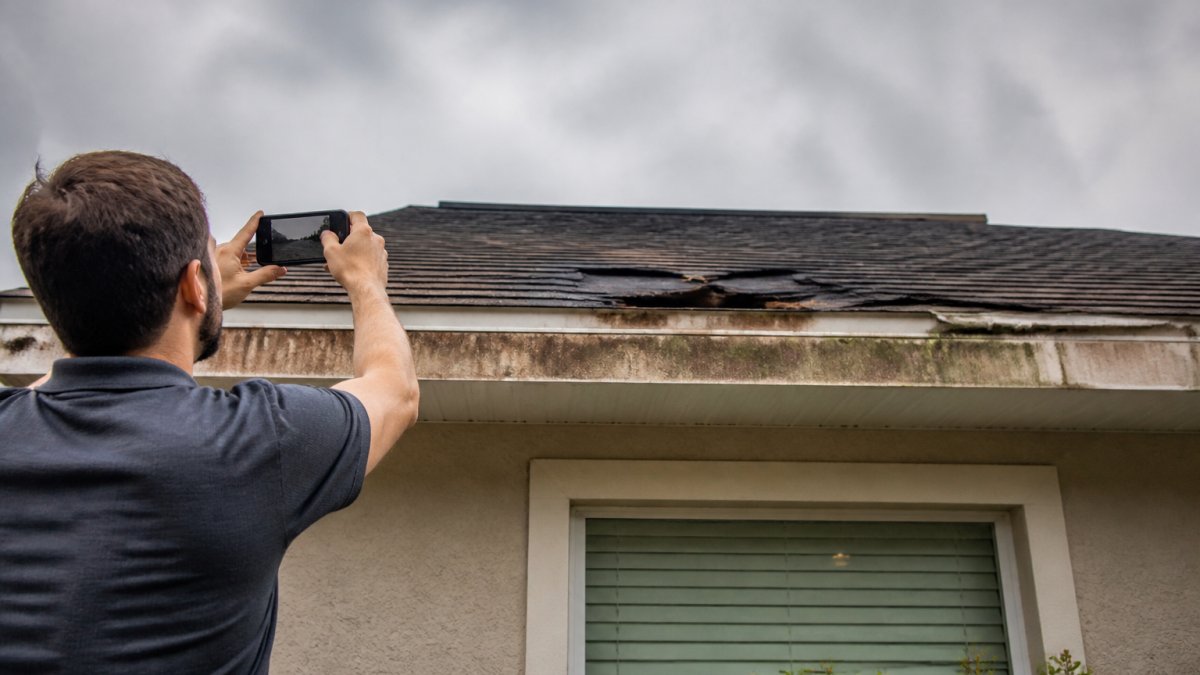
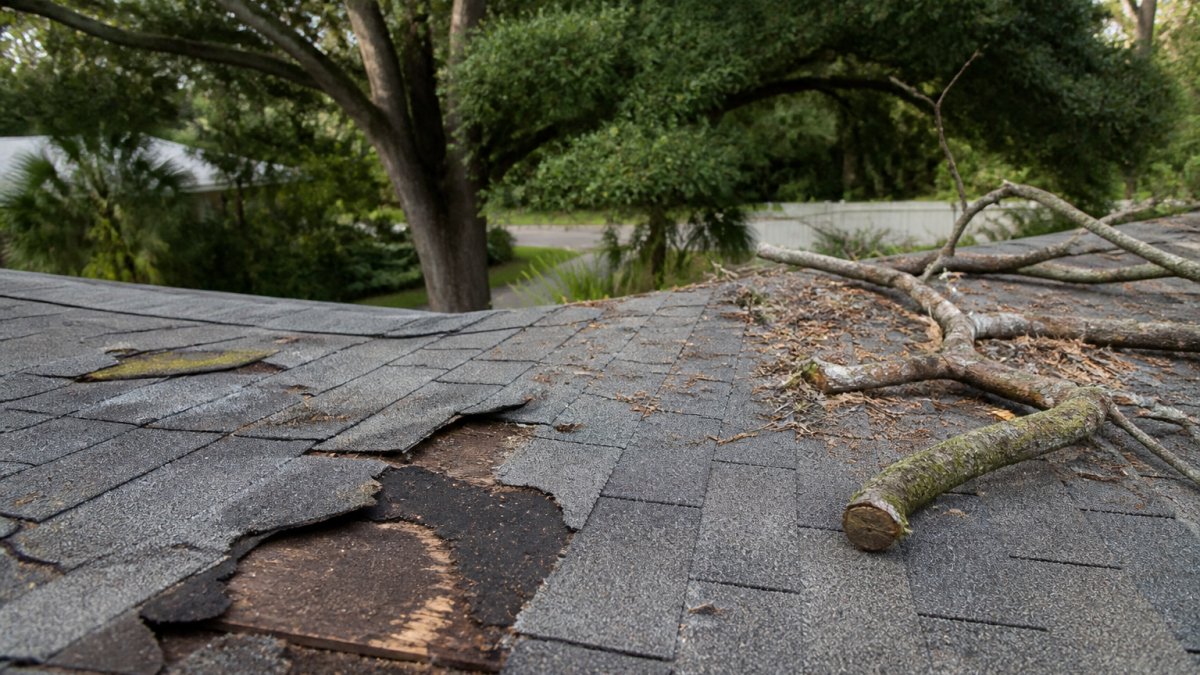
Photograph interior damage first, ceiling stains, wet attic insulation, damaged drywall, then the exterior. If you can safely access the roof or attic, show the hole, missing shingles, or compromised flashing. Otherwise, shoot from the ground looking up.
Include wide shots showing the roof's location and close-ups of the damage. Adjusters need context; contractors need detail.
Label photos with the date and roof location (north side, near chimney, above garage). When you schedule emergency roof repair, these organized photos help the contractor understand the scope before arriving.
How to Schedule Emergency Roof Repair: Finding and Contacting a Licensed Contractor
Finding the right contractor matters more than speed. A fast response from an unlicensed operator costs far more than waiting a few hours for a licensed professional.
Verify Licensing and Insurance Before Calling
Before you dial, confirm the contractor holds a current license. In this state, roofing contractors must be licensed and insured. Ask for their license number and verify it through official channels, hesitation is a red flag.
Request proof of both general liability and workers' compensation coverage. This protects you if someone is injured on your property or damage occurs during the repair, an uninsured contractor's accident becomes your liability.
Call a few contractors, not just one. Do they listen, ask clarifying questions, and explain their plan, or rush you toward an appointment? Professional contractors take time to understand the problem.
Request an Emergency Appointment
When you call, be direct: say "I have an active leak" or "water is entering my home." This tells the dispatcher your situation is genuinely emergency-level.
Describe where the leak is, what triggered it, and how much water is involved. A contractor experienced in emergency roof repair will ask about the affected area's size, whether the leak is actively dripping, and whether you've taken photos, details that help them prioritize your call.
Ask about availability: can they come today, or when's the earliest they can assess the damage? Many licensed contractors offer same-day emergency appointments for active leaks. Either way, you'll know what to expect.
Confirm the date, time window, and whether they need attic or roof access. Ask if the emergency assessment is included with the repair estimate. Roofing Done Right provides free roof evaluations for emergency situations, giving you a professional assessment and repair recommendation without upfront costs.
What to Tell a Roofer About Roof Damage: Information That Speeds Up Response
Your contractor will inspect the damage themselves, but the information you provide beforehand shapes their approach and helps them bring the right materials and tools.
Start with the leak's location. "Water is coming through the master bedroom ceiling, near the east wall" beats "there's a leak somewhere." If you've identified the entry point, say so; if not, describe where water appears inside and what weather preceded it.
Explain what you've already done, buckets placed, windows opened, furniture moved, attic observations. This prevents duplication and gives context for the damage's severity.
Share your photos of the interior stains, exterior damage, and timeline. A contractor can see exactly what they're dealing with and plan accordingly.
Ask about temporary solutions while you wait for full repairs. If more rain is forecast, can they tarp the area today, and how long will the covering last? Knowing the interim steps helps you plan.
Request a Free Roofing Estimate →
Emergency Roof Repair Response Time: What to Expect
Timing varies with damage severity and your contractor's workload, but understanding the typical timeline helps you plan.
24/7 Availability and Same-Day Service
Licensed contractors often maintain emergency availability during storm season. A weekday leak during business hours may get an assessment within hours; evening or weekend emergencies may wait until the next business day.
When you call, ask directly: "Can you come today?" A contractor who handles emergency roof repair will give you a straight answer, honesty beats a vague "we'll try to fit you in."
Some contractors prioritize active leaks over other repairs, routing "water actively entering the home" ahead of "a few missing shingles." Active leaks cause structural damage quickly.
Temporary Covering and Water Damage Mitigation
If same-day repair isn't possible, ask about temporary solutions. Many contractors can tarp the damaged area the same day, even if the full repair happens later. A tarp buys you time and prevents rain from worsening the damage while you wait.
Temporary tarping typically lasts 7-14 days depending on weather and the tarp's quality. It's not a permanent fix, it's a holding action. The contractor will schedule the full repair once materials arrive or the weather clears enough for safe roof work.
Water damage mitigation may happen alongside the repair. If water has soaked into insulation or drywall, the contractor may recommend professional water extraction and drying. Some roofing companies handle this in-house. Others refer you to a restoration specialist. Either way, addressing moisture quickly prevents mold and structural rot.
Insurance Claim Documentation: Working with Your Adjuster and Contractor
Your insurance company will send an adjuster to assess the damage and determine coverage. The contractor you've hired plays a key role in this process, they provide professional documentation that supports your claim.
Before the adjuster arrives, gather your photos, the timeline of when you noticed the leak, and any weather reports from that day. Your insurance company wants to understand what caused the damage. Was it a storm? Wear and tear? Deferred maintenance? The answer determines whether they cover the repair.
When the adjuster inspects the roof, ask if your contractor can be present. A licensed roofer can explain the damage in technical terms that the adjuster understands. They can point out what's storm-related versus what's pre-existing. This collaboration often results in a more thorough assessment and a higher payout.
Your contractor will provide a detailed repair estimate. This estimate becomes the basis for your insurance settlement. If the adjuster's estimate falls short of the contractor's quote, you can request a re-evaluation. Having a licensed contractor's professional assessment strengthens your position.
Keep copies of everything: the adjuster's report, the contractor's estimate, your photos, and all correspondence with your insurance company. These documents protect you if questions arise later about what was covered or what was repaired.
Roof Inspection and Assessment: What Happens During the Free Estimate
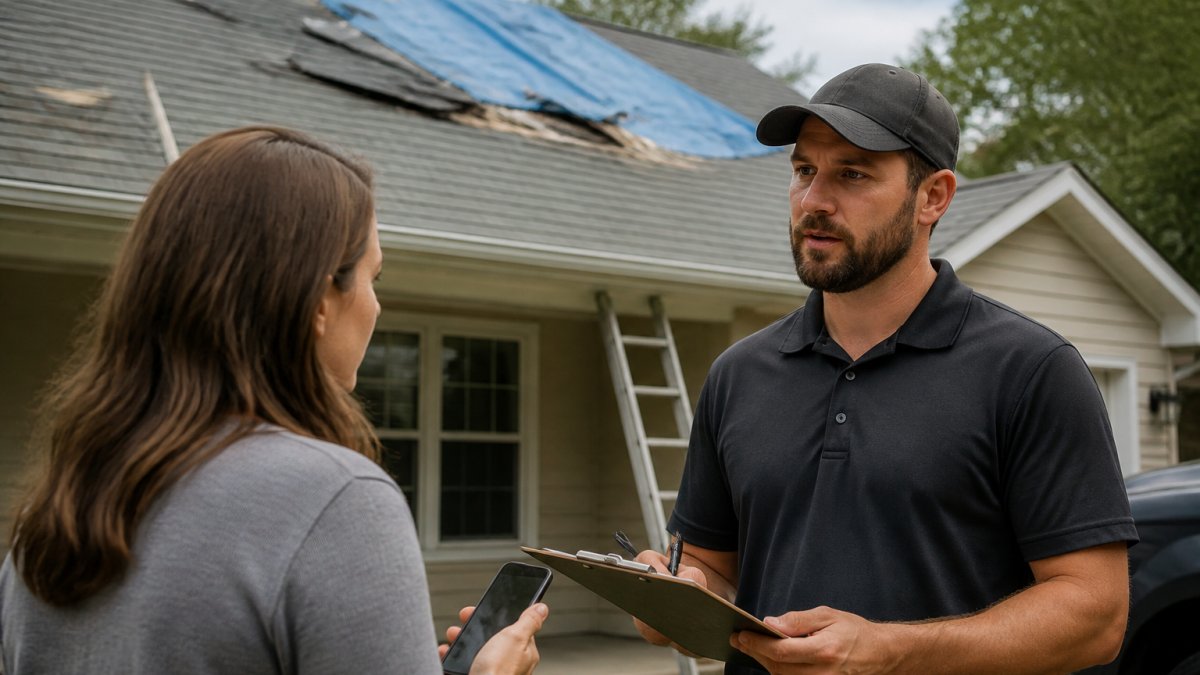
When the contractor arrives for the free estimate, they're doing more than just looking at the leak. They're assessing the overall condition of your roof and determining whether repair or replacement makes sense.
A thorough inspection includes checking the interior attic space for water damage, mold, or structural compromise. The contractor will examine the roof deck, insulation, and ventilation.
The contractor will identify the leak's source. Sometimes it's obvious, a hole torn by a branch or missing shingles from wind.
Based on this assessment, the contractor recommends repair or replacement. A small leak with no underlying damage might be a simple repair.
Roofing Done Right includes a free roof evaluation in every emergency assessment. This means you get a professional inspection and clear recommendation without paying for the evaluation itself.
Ask the contractor about warranty on their work. A reputable contractor stands behind repairs with a warranty covering materials and labor (Resources).
When your roof fails, the hours immediately after you notice the leak determine how much damage occurs.
Roofing Done Right has helped hundreds of homeowners navigate emergency roof situations. We provide free roof evaluations, work directly with insurance adjusters, and handle both temporary tarping and permanent repairs.
| Step | Timeline | What Happens |
|---|---|---|
| 1. Immediate containment | First 30 minutes | Stop water intrusion, move valuables, improve airflow |
| 2. Documentation | First hour | Photograph damage, note date and weather conditions |
| 3. Contractor verification | First 2 hours | Confirm licensing and insurance before calling |
| 4. Schedule assessment | Same day if possible | Request emergency appointment, describe the leak |
| 5. Free estimate | Within 24 hours | Professional inspection and repair/replacement recommendation |
| 6. Insurance claim | Within 3 days | Adjuster visit, contractor collaboration, estimate submission |
| 7. Repair or replacement | 1-2 weeks | Temporary tarping while waiting, then full repair |
Frequently Asked Questions
What should I do first if my roof is leaking?
Move furniture and belongings away from the leak, then place buckets to catch dripping water. If water is actively coming through the ceiling, turn off electricity in that area to prevent hazards. Once the immediate damage is contained, take photos from inside and outside, then contact a licensed roofing contractor for emergency assessment. Do not attempt roof repairs yourself during active leaking, a professional inspection and temporary covering will prevent further structural damage.
How quickly can an emergency roof repair be scheduled?
Licensed roofing contractors offering 24/7 emergency services typically respond within hours of your call, with same-day tarping or temporary covering available in most cases. Response time depends on current demand and your location within the service area. When you call, provide details about active leaking and water damage inside to help the contractor prioritize your appointment. A free estimate and inspection can often be scheduled the same day or the next morning.
What information should I give a roofer when reporting roof damage?
Tell the contractor whether water is actively leaking inside, describe the visible damage (missing shingles, visible flashing damage, or debris), and mention any recent storms or weather events. Share photos if you've taken them, note the affected room locations, and explain any water damage you've noticed indoors. If you have insurance, mention that upfront so the contractor can prepare documentation for your adjuster. This information helps the roofer arrive prepared and provide an accurate initial assessment.
Do I need to cover a roof leak before a roofer arrives?
You should not attempt to climb on the roof yourself, as this creates safety risks. Instead, focus on containing water damage inside using buckets, towels, and tarps on floors and furniture. A licensed emergency contractor will arrive with proper equipment and safety gear to apply temporary tarping or covering. This professional temporary solution prevents further water intrusion into your home's structure while you arrange permanent repairs.