 how-to
What Should a Roof Repair Cost Estimate Include in 2026?
Last Updated: October 26, 2026
Quick Summary
A roof repair cost estimate should include materials needed, labor hours, site conditions affecting the job, and cleanup costs broken down by repair type. According to 2026 data, a national average roof repair runs $368-$447 per repair, though costs vary based on damage type and location.
- Missing shingle repairs cost $200-$500 depending on whether original shingles need sourcing.
- Labor is often the biggest part of the estimate and increases with roof accessibility challenges.
- A solid estimate lists each repair separately so you understand what you're paying for.
- Hidden damage contingency of 10-20% should be included, especially on older roofs.
- Request an itemized estimate in writing that breaks down materials, labor hours, permits, and disposal fees.
Table of Contents
- What Goes Into a Roof Repair Cost Estimate
- Understanding Roof Repair Cost by Damage Type
- Using a Roof Repair Cost Calculator to Estimate Your Project
- Roof Leak Repair Cost and Labor Factors
- Roof Repair vs Replacement: When to Choose Each
- Creating Your Roofing Estimate Checklist
- Getting Your Free Roof Evaluation
- Frequently Asked Questions
What Goes Into a Roof Repair Cost Estimate
A roof repair cost estimate for 2026 breaks down the specific work needed and the labor involved. When you get an estimate, you're paying for a roofer's expertise to identify damage and price the solution fairly.
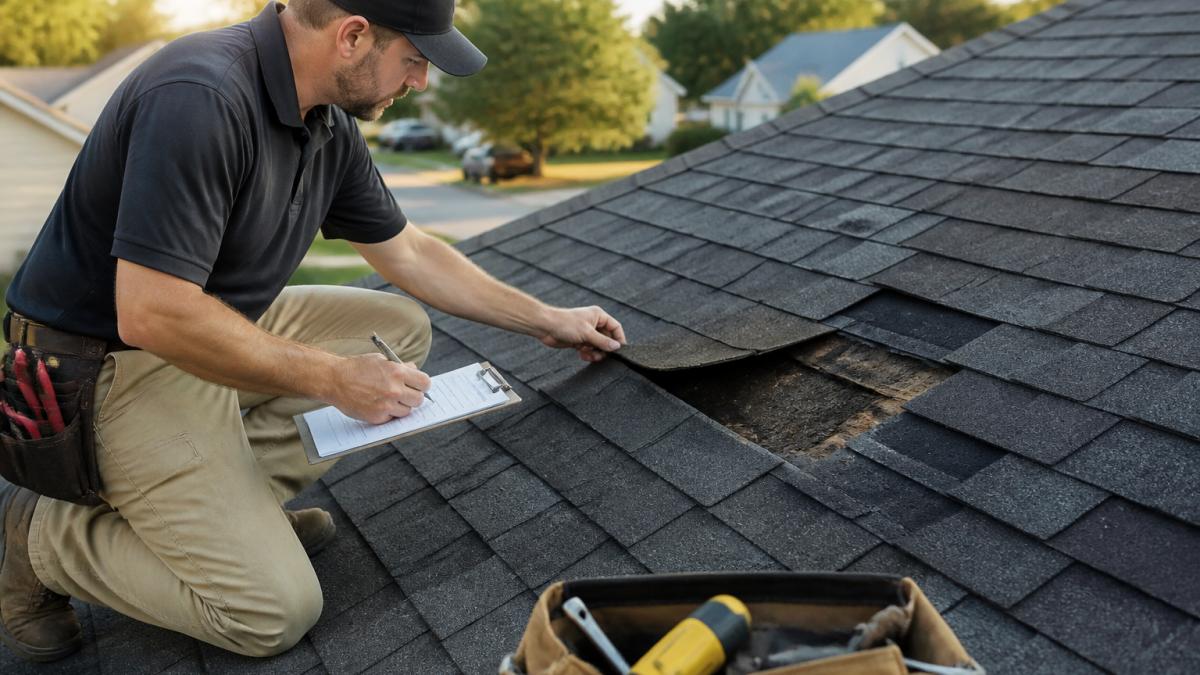
Here's what a solid estimate includes: materials needed, labor hours, site conditions that affect the job, and cleanup. According to Homewyse's 2026 cost calculator, a national average roof repair runs $368-$447 per repair, though actual costs vary based on damage type and your location.
A good estimate also accounts for roof accessibility. If your roof is steep, high, or has obstacles nearby, labor costs go up. The roofer should note these factors in writing.
Understanding Roof Repair Cost by Damage Type
Different damage requires different fixes, and the scope of the repair drives the estimate more than any other factor. Knowing what you're dealing with helps you understand why one estimate differs from another and lets you sanity-check the numbers you receive.
Below is a repair-specific breakdown by damage type, with typical low-to-high ranges and the assumptions behind each. Use these as a starting point for your own estimate worksheet, not as a final quote.
Missing or Damaged Shingles
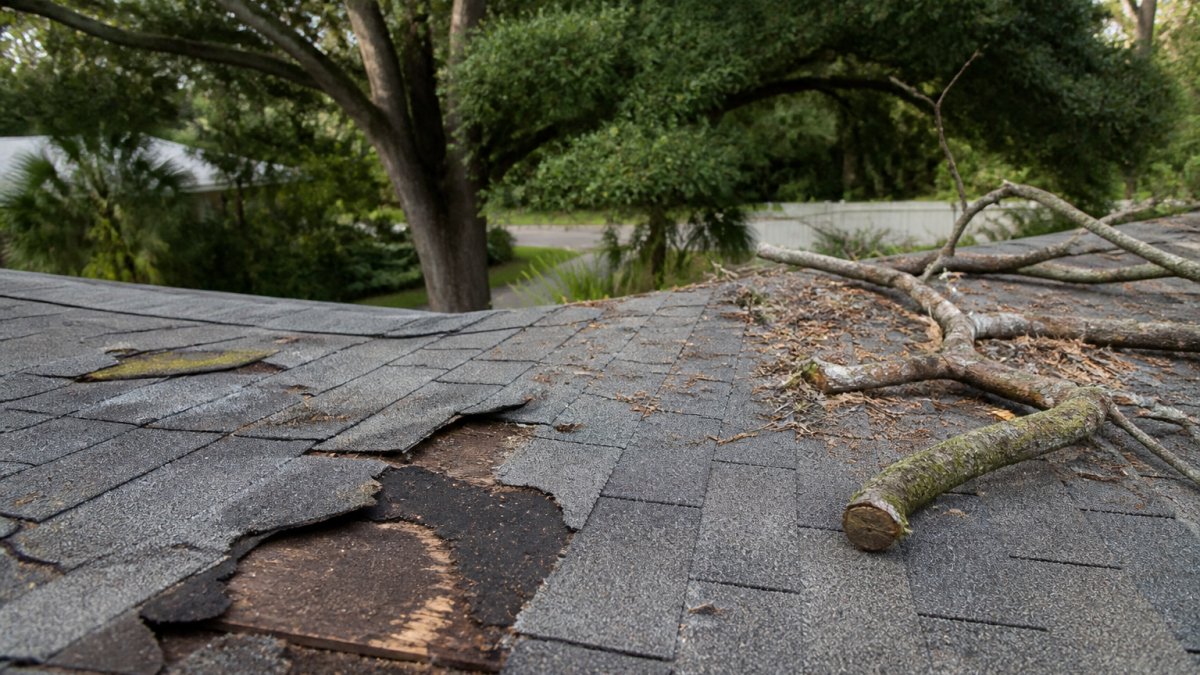
Missing shingles are among the easiest repairs. A roofer removes the damaged shingle, replaces it with a new one, and secures it. The cost depends on whether the roofer can match your original shingle color and style, and on how many shingles are affected.
According to The Roofing Brief's 2026 damage breakdown, a missing shingle repair runs $200-$500. If the roofer needs to source original shingles to match your roof exactly, the cost may shift upward.
Assumptions for this range: 1-5 shingles replaced, single-story or walkable roof, standard asphalt shingle match available, no decking damage.
Roof Leaks and Water Damage
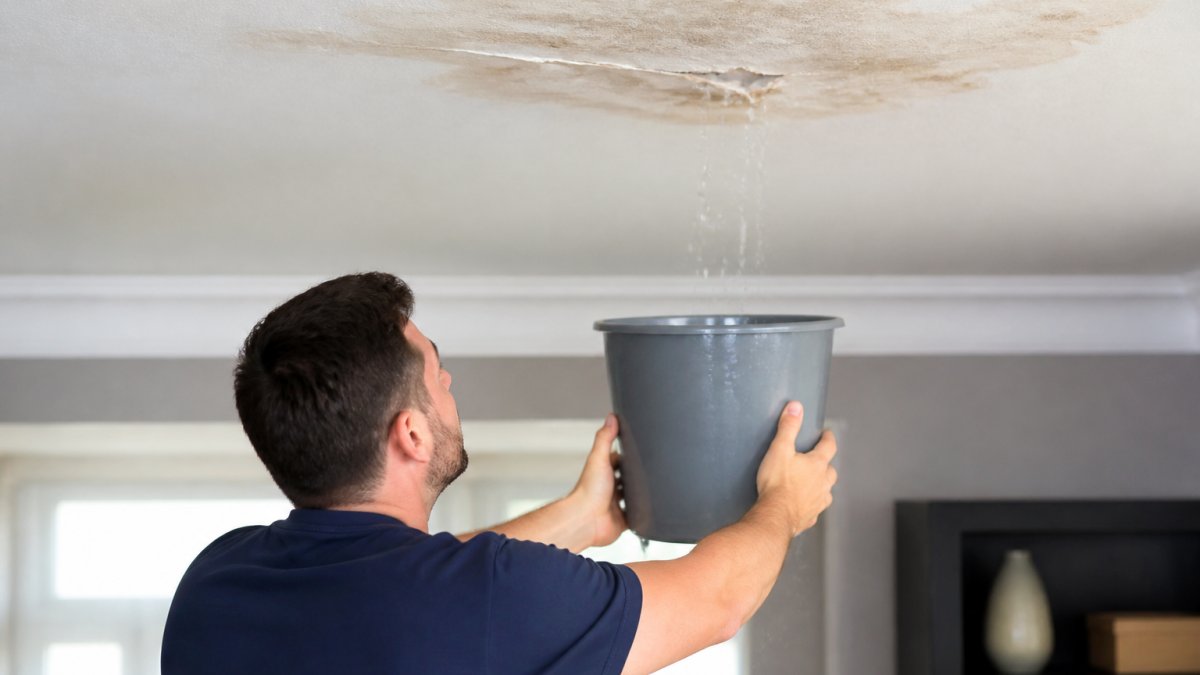
Leaks are more complex than missing shingles. The roofer must locate where water enters, trace the damage underneath, and seal the leak. Sometimes what looks like one leak is actually damage spread across multiple spots.
If water has damaged the wood underneath the shingles, costs rise because the roofer must replace that decking too. This is why getting a professional inspection matters. A thorough evaluation catches hidden damage before it becomes expensive.
Assumptions for this range: leak source accessible from the roof surface, no more than 4 square feet of decking replacement, no interior drywall repair included.
Valley and Flashing Repairs
Valleys and flashing are the seams and metal edges where water runs off your roof. When these fail, water gets behind the shingles. These repairs require precision because improper installation creates new leaks.
Assumptions for this range: 5-20 linear feet of flashing replaced, step flashing at a wall intersection or chimney, no siding removal. Chimney flashing repairs tend to land at the higher end because they require cutting into the chimney mortar and re-sealing.
Gutter and Edge Metal Repairs
Gutters and drip edge are part of the roof's water-shedding system, and damage here often shows up as fascia rot or soil erosion at the foundation.
Assumptions for this range: 10-30 linear feet of gutter or edge metal, no full gutter replacement, no fascia replacement beyond 10 linear feet.
Structural and Decking Damage
When damage reaches the roof deck, rafters, or sheathing, the repair moves from a surface fix to a structural one. Rotted decking must be cut out and replaced, and any soft spots in the framing need sistering or reinforcement.
Assumptions for this range: 1-4 sheets of plywood or OSB replaced, no rafter replacement, no permit required for structural work.
How to Use These Ranges in Your Own Estimate
Start with the damage type that matches what you see, then adjust for the assumptions listed. If your situation falls outside the assumptions, for example, a two-story home, a steep pitch, or visible decking damage, move toward the high end of the range or add the relevant add-on. This is the same logic a roofer uses when building an estimate, and it gives you a defensible number to compare against the quotes you receive.
Using a Roof Repair Cost Calculator to Estimate Your Project
Online calculators give you a ballpark figure before calling a roofer. They ask about roof size, damage type, and location, then generate an estimate range. These tools are helpful for budgeting but aren't substitutes for a professional assessment.
A roof repair cost calculator works best when you know what you're repairing. If you see missing shingles, you can plug that in.
The real value of a calculator is setting expectations. You'll know whether a repair typically costs hundreds or thousands of dollars before the roofer arrives. This helps you decide whether to get multiple quotes or whether the first estimate makes sense.
A Step-by-Step Method for Building Your Own Estimate
Most calculators stop at a single range. A more useful approach is to build a line-item estimate yourself, using the same categories a roofer uses.
Request a Free Roofing Estimate →
Step 1: Identify and measure the affected area. Walk the roof from the ground with binoculars or ask for photos from a roofer's inspection.
Step 2: Assign a unit cost to materials. Use published material prices as a starting point.
Step 4: Add permits, disposal, and access.
Step 5: Add a contingency for hidden damage. A common assumption is 10-20% of the repair cost for hidden damage, especially on older roofs.
Worked Example: A 200-Square-Foot Leak Repair
Suppose you have a leak around a chimney that has affected about 200 square feet of shingles and 2 sheets of decking. Here is how the worksheet might look:
| Line Item | Quantity | Unit Cost | Subtotal |
|---|---|---|---|
| Asphalt shingles (materials) | 2 squares | $120 per square | $240 |
| Flashing (materials) | 10 linear feet | $5 per linear foot | $50 |
| Decking (materials) | 2 sheets | $20 per sheet | $40 |
| Labor (2-person crew) | 6 hours | $65 per hour | $390 |
| Permit | 1 | $150 | $150 |
| Debris removal | 1 | $250 | $250 |
| Contingency (15%) | , | , | $168 |
| Estimated total | $1,288 |
Where Calculators Fall Short
They also tend to ignore local permit requirements and disposal fees, which vary widely by jurisdiction. And they cannot see hidden damage, the single biggest driver of estimate variance on older roofs. Use the calculator for a quick range, but use the worksheet method when you need a number you can actually budget against.
Roof Leak Repair Cost and Labor Factors
Labor is often the biggest part of a roof repair cost estimate. A roofer's time includes inspection, material prep, the actual repair, and cleanup.
Site conditions change this. Weather delays also affect the final bill. Document roof damage for insurance claims properly before getting repair estimates.
Document roof damage for insurance claims properly before getting repair estimates. Photos and written notes help the roofer understand the scope and give you a more accurate estimate.
Cleanup labor matters too. A thorough roofer removes every nail, shingle fragment, and debris from your driveway and landscaping. This takes time but protects your property and prevents injuries.
Roof Repair vs Replacement: When to Choose Each
Not every damaged roof needs replacement. Replacement is necessary when damage is widespread or the roof is nearing the end of its lifespan. Compare repair versus replacement with our detailed guide to see which option fits your situation.
A roof typically lasts 20-30 years depending on materials and maintenance. If your roof is under 15 years old and damage is limited to one section, repair is usually the right call. If your roof is over 20 years old and you're seeing damage in multiple spots, replacement may be more cost-effective long-term.
Compare repair versus replacement with our detailed guide to see which option fits your situation. The guide walks through the math so you can make an informed decision.
| Repair | Replacement |
|---|---|
| Localized damage in one area | Damage across multiple sections |
| Roof under 15 years old | Roof over 20 years old |
| Cost: $200-$2,200 | Cost: $5,800-$47,000+ |
| Quick turnaround | 3-7 days typical |
Creating Your Roofing Estimate Checklist
Before you call for estimates, prepare a checklist. This ensures you get comparable quotes and don't miss important details.
- Note the damage location and type
- Measure or estimate roof size if possible
- Document weather or storm that caused damage
- Take photos from the ground and any accessible angles
- List any previous repairs or roof work
- Note your roof material (asphalt shingles, metal, etc.)
- Record the roof's age if you know it
- Ask about warranty on materials and labor
- Confirm whether cleanup is included
- Request an itemized estimate in writing
When you call Roofing Done Right or another contractor, mention these details upfront. A detailed conversation leads to a more accurate estimate.
Getting Your Free Roof Evaluation
The best way to understand your roof repair cost estimate is to get a professional inspection. A licensed roofer can see damage you might miss and explain exactly what needs fixing. Learn how to hire an honest roofer to ensure you work with a trustworthy contractor. Schedule your free roof evaluation with us to start the process.
Schedule your free roof evaluation with us to start the process. We'll inspect your roof, take photos, and provide a detailed written estimate with no obligation.
During the evaluation, ask questions. A good roofer explains their findings and answers your concerns. They'll tell you whether repair or replacement makes sense and what factors affect the price.
Frequently Asked Questions
What factors affect a roof repair cost estimate the most?
The primary factors are the type and extent of damage, your roofing material, roof size and pitch, and local labor rates. Accessibility, whether your roof is easy or difficult to reach, also significantly impacts cost. A roofer's estimate should itemize each of these elements so you understand what drives the price. Request a detailed breakdown that shows materials, labor hours, and any additional charges like disposal or permits.
How do I know if I need roof repair or replacement?
Minor damage like a few missing shingles or a small leak typically calls for repair. If your roof is over 20 years old, has widespread damage across multiple areas, or the cost to repair exceeds 50% of replacement cost, replacement may be the better investment. A professional roof inspection can clarify which option makes sense for your situation and budget.
What should I look for when comparing roof repair estimates?
Ensure each estimate specifies the scope of work, materials to be used, labor costs, timeline, and warranty. Check that the contractor is licensed and insured. Be cautious of estimates that are significantly lower than others, they may indicate incomplete scope or lower-quality materials. Ask about cleanup, disposal, and whether original shingles will be sourced to match your existing roof.
Are there hidden costs I should expect in a roof repair estimate?
Yes. Beyond the basic repair, estimates may include disposal fees for old materials, permit costs (if required), site cleanup and nail removal, temporary tarping if weather delays the repair, and emergency or after-hours charges. A transparent estimate will list these separately so you're not surprised. Ask your contractor to clarify what's included and what costs extra before work begins.
Getting an accurate roof repair cost estimate 2026 starts with understanding what goes into the price. Materials, labor, site conditions, and damage type all play a role. We treat customers like family, which means we explain every line item and answer every question. Get your free roof evaluation today and see the difference professional guidance makes.